
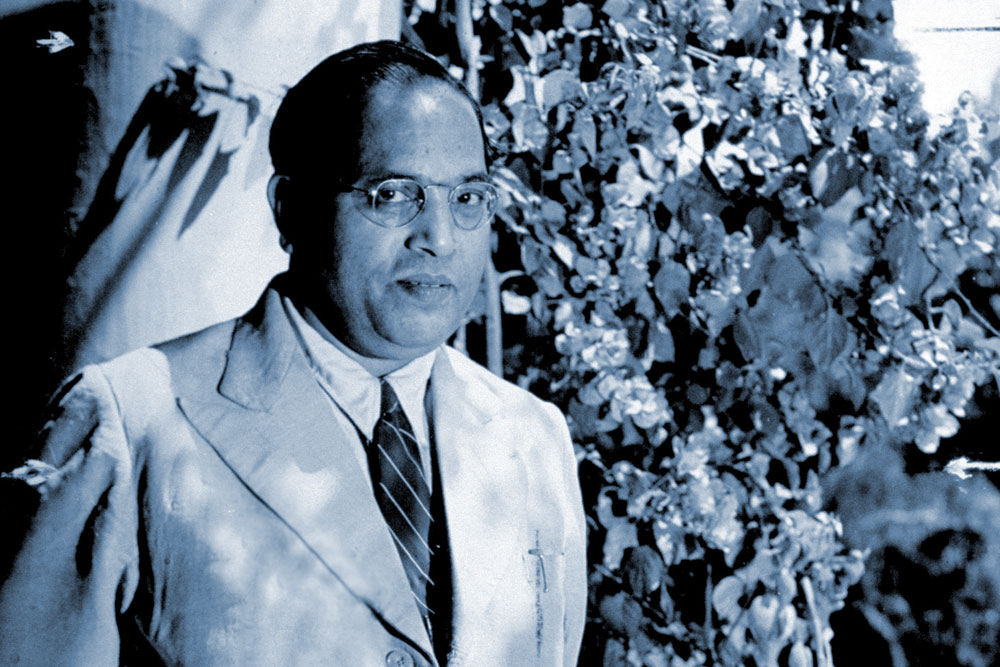
Reclaiming Ambedkar, Symbol of Resistance and Moral Clarity in Modern India
Why in News?
In recent political and social discourse, the legacy of Dr. B.R. Ambedkar has gained renewed importance. As India continues to struggle with caste-based inequality and discrimination, Ambedkar’s ideas, values, and vision are being widely invoked by Dalit movements, students, and minority groups asserting their rights. The current relevance of his philosophy calls for a serious and sincere engagement with his complete legacy.
Introduction
Dr. B.R. Ambedkar, once rejected by orthodox caste Hindus and marginalized by political powers like the Congress and the Left, has now become one of the most invoked public figures in Indian politics. However, the public discourse around Ambedkar is often limited by shallow political posturing and fails to fully engage with the depth of his thoughts.
Key Issues and Background
Ambedkar’s Politicization in Public Life
Ambedkar’s name and statues have become symbolic tools in contemporary electoral politics. While this visibility is a sign of recognition, it often comes without a deep understanding of his principles. Dominant caste-led political parties frequently invoke Ambedkar without engaging with his ethical and political compass.
Enduring Hostility and Desecration
Despite being revered, Ambedkar’s statues face relentless desecration, and public remembrance is often constrained to tokenism. This has resulted in a dichotomy—while he is praised publicly, the core of his radical ideology is sidelined.
Misappropriation of Legacy
His ideology is either used for symbolic protest or reduced to instrumental electoral gains. The frameworks used to discuss Ambedkar do not reflect the full breadth of his contributions, which include his role as a jurist, economist, writer, and social reformer.
The Core of the Concern
Ambedkar as a Visionary Reformer
Ambedkar warned against unchecked majoritarianism and upper-caste dominance. Unlike contemporaries such as Gandhi, Nehru, and Patel, Ambedkar insisted on enforceable constitutional safeguards and institutional protections for marginalized groups.
Focus on Structural Reform
He called for:
-
Separate electorates
-
Equitable representation
-
Reservations in education and services He also centered the Dalit-Bahujan perspective in Indian historiography, criticizing both colonial indifference and nationalist neglect of oppressed communities.
Key Observations
-
Ambedkar’s vision remains radical and transformative, especially for modern Dalit-Bahujan movements.
-
From sanitation workers to students, many now see him as a symbol of hope, dignity, and resistance.
-
He did not just fight for Dalit rights but for a moral and just future for all Indians, irrespective of caste or religion.
Conclusion
Dr. B.R. Ambedkar is no longer just a historical figure or a statue in a park — he is a living symbol of resistance, offering intellectual and moral clarity in a confused political landscape. Engaging with Ambedkar today means confronting casteism, fighting systemic discrimination, and working toward the promise of a more just and humane future.
Q&A Section
Q1. Why has Dr. Ambedkar’s legacy gained renewed attention in Indian politics?
Because of increasing caste-based mobilization and social justice movements that invoke his ideas of equality, dignity, and institutional safeguards.
Q2. How do mainstream political parties misuse Ambedkar’s legacy?
They often invoke his name and image for electoral gains without committing to his radical vision or addressing caste oppression.
Q3. What made Ambedkar’s approach different from his contemporaries?
Unlike Gandhi and Nehru, Ambedkar insisted on legal and institutional protections rather than moral appeals alone.
Q4. In what ways is Ambedkar’s legacy visible in today’s protests?
Dalit, student, and minority movements often invoke his name and image while asserting rights against systemic discrimination.
Q5. What does the article suggest is missing in today’s Ambedkarite movement?
The spontaneity, strategic insight, and labor that Ambedkar brought to the cause — beyond mere symbolism.
