
Political Gridlock in Taiwan, A Challenge to Democracy and Stability
Why in News?
On May 20, 2024, Taiwanese President Lai Ching-te marked his first year in office. However, his administration is currently facing severe legislative gridlock, with the opposition Kuomintang (KMT) blocking essential reforms due to a lack of parliamentary majority for the ruling Democratic Progressive Party (DPP). 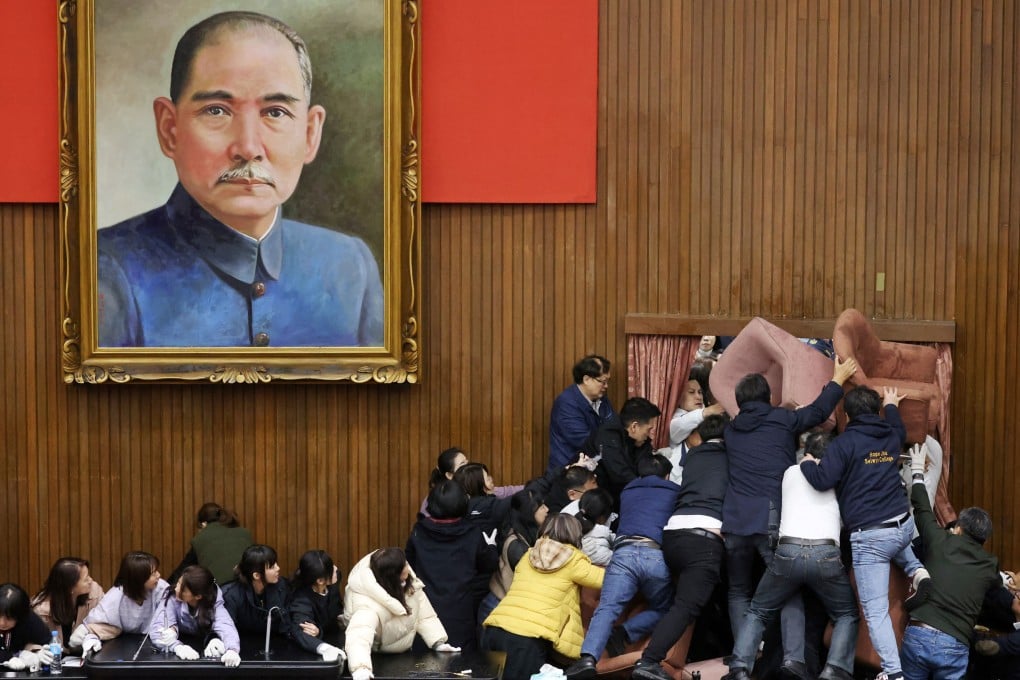
Introduction
Taiwan’s vibrant democracy is under pressure as intense rivalry between the DPP and KMT causes a stalemate in the Legislative Yuan (parliament). The DPP, despite securing the presidency, holds only 51 seats out of 113, while the KMT has 52 seats, forming a narrow opposition majority when allied with the Taiwan People’s Party (TPP).
Key Issues and Institutional Concerns
1. Recall Campaign and Legislative Disruption
-
The KMT and TPP have launched a recall campaign to remove multiple DPP legislators.
-
If successful, a significant number of DPP members may be ousted, potentially weakening Lai’s policymaking ability.
-
The Central Election Commission will decide which signatures submitted are valid. Final recall votes could happen by July 2024.
2. Parliamentary Stalemate
-
Since failing to gain a majority in the Legislative Yuan, President Lai’s proposals have faced obstruction.
-
Key reforms such as the Amendment to the Allocation of Government Revenues and Expenditures Act (last amended 25 years ago) are stuck.
-
The opposition has accused the DPP of overreach, while the DPP criticizes the KMT for deliberately stalling reforms.
Broader Political Implications
-
The KMT has historically leaned towards dialogue with China, while the DPP promotes a Taiwanese identity and independence.
-
The deadlock reflects deep-seated ideological divides over Taiwan’s future: status quo vs. unification with China.
-
Political maneuvering through petitions, walkouts, and legislative blockades may result in long-term damage to Taiwan’s democratic processes.
Conclusion
President Lai faces a tough road ahead. He must either compromise with the opposition or mobilize public support through democratic means like referenda or legal reforms. As Taiwan navigates rising geopolitical tensions and internal paralysis, the future of its democracy and sovereignty remains at a crucial juncture.
Q&A Section
Q1. Why is there a deadlock in Taiwan’s Legislative Yuan?
Because President Lai’s DPP failed to win a majority, while the opposition KMT and its allies now control more seats and are blocking key legislative reforms.
Q2. What is the recall campaign launched by KMT and TPP?
It’s a political move to unseat DPP legislators through petitions and voter recalls, potentially reducing the DPP’s power in the parliament.
Q3. What key bill has been delayed due to the deadlock?
The Amendment to the Allocation of Government Revenues and Expenditures Act, crucial for Taiwan’s fiscal governance.
Q4. What are the broader ideological differences between DPP and KMT?
The KMT supports closer ties with China, while the DPP emphasizes Taiwanese identity and is more cautious about reunification.
Q5. How can President Lai respond to the gridlock?
He can seek compromise, mobilize public opinion, or use democratic tools like referenda to push his agenda.

