
India Strengthens Regional Ties Through BIMSTEC
Why in News?
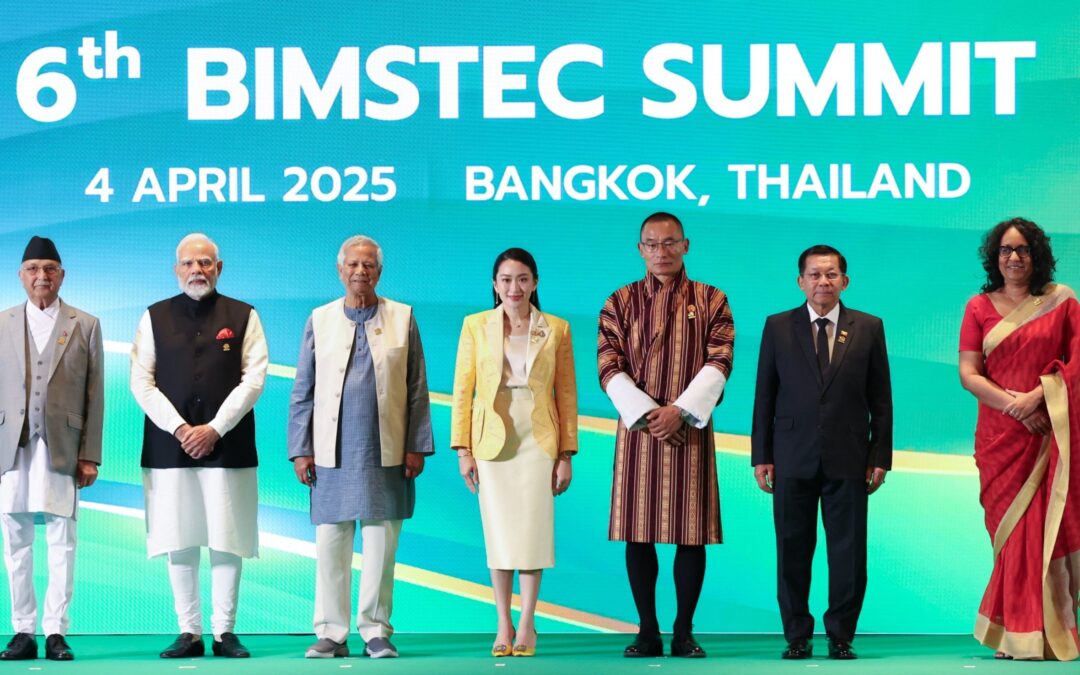
Prime Minister Narendra Modi is set to attend the BIMSTEC (Bay of Bengal Initiative for Multi-Sectoral Technical and Economic Cooperation) summit, highlighting India’s efforts to expand its presence in the Bay of Bengal region. The summit is expected to revitalize BIMSTEC’s role in regional cooperation, focusing on economic integration, connectivity, and security partnerships. 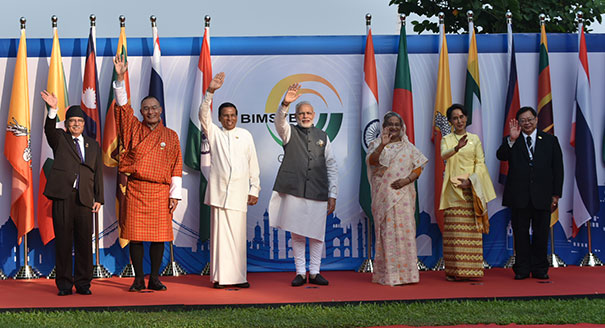
Key Highlights of BIMSTEC’s Agenda
-
India’s Strategic Focus:
-
India is using BIMSTEC as an alternative to SAARC, which has been stalled due to tensions with Pakistan.
-
The forum allows India to expand regional trade, security partnerships, and infrastructure development in the Bay of Bengal region.
-
-
Maritime and Trade Connectivity:
-
The summit will emphasize improving maritime security, enhancing trade routes, and developing infrastructure projects.
-
India is leveraging its $4 trillion economy to promote deeper economic integration with BIMSTEC nations.
-
-
China’s Influence and Geopolitical Considerations:
-
China’s rising influence in the Indian Ocean and its growing naval presence in the Bay of Bengal necessitate India’s proactive engagement in the region.
-
India’s efforts align with broader Indo-Pacific strategies, ensuring regional stability and connectivity.
-
-
Visa-Free Travel and Economic Growth:
-
India is considering a visa-free entry policy for BIMSTEC nations, aiming to enhance trade, tourism, and economic collaboration.
-
With a combined GDP of about $5 trillion, BIMSTEC has the potential to be a major economic powerhouse in Asia.
-
-
Infrastructure and Energy Cooperation:
-
Discussions include joint infrastructure projects in Myanmar and Bangladesh.
-
Enhanced energy cooperation between India, Thailand, and Sri Lanka is also on the agenda.
-
Conclusion
India’s renewed focus on BIMSTEC is a strategic move to counterbalance China’s influence and revitalize regional cooperation. By strengthening trade, connectivity, and security, India aims to position itself as a leader in the Bay of Bengal region, shaping the future of regional economic and strategic alliances.
