
India Soft Power, The Next Big Global Influence
Why in News?
India is gaining presence on the world stage — not just through economic growth or politics, but through its culture, creativity, and influence. Harsh Goenka, in a recent article, highlighted the need for India to use its soft power more strategically in global affairs.

Introduction
India is now being welcomed into major global platforms like the G20 summits, the Met Gala, and global tech boards. But beyond this, what truly sets India apart is not just GDP or infrastructure — it is its rich, timeless, and diverse culture. The world is ready to embrace Indian ideas, art, music, food, spirituality, and storytelling. It is time India realizes the power of its soft assets.
Key Points of the Article
-
What is Soft Power?
Soft power is the ability to influence the world not through force or finance, but through attraction — culture, values, creativity, and heritage. -
India’s Global Appeal
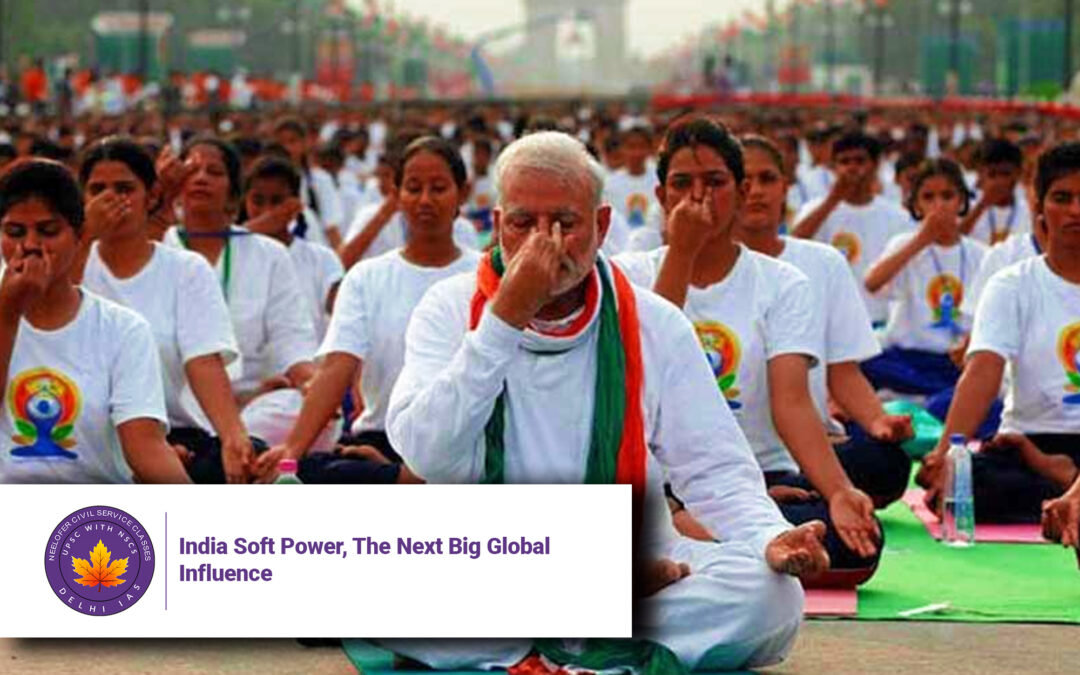
Indian films, music, cuisine, yoga, spirituality, and storytelling already enjoy global popularity. From Bollywood and Ayurveda to A.R. Rahman and biryani, the world loves Indian identity. -
The Need for Strategic Promotion
India must not wait for recognition but actively promote its art, music, and food through innovation hubs, cultural exports, global campaigns, and digital platforms like YouTube and Spotify. -
Beyond Culture – Spiritual and Emotional Depth
India’s geography and spiritual diversity connect with people emotionally. Be it the Himalayas, Ayurveda, yoga retreats, or temple circuits — India offers peace and purpose to the world. -
Tourism and Technology Must Help Soft Power
India’s storytelling, festivals, and traditions should be made part of global media, entertainment, and tourism. Digital storytelling, content creation, and brand-building are key.
Five Key Takeaways
-
India’s soft power is underused despite global love for its culture, music, food, and spirituality.
-
The world is emotionally connected to India — from yoga and Ayurveda to Bollywood and Indian food.
-
We need organized efforts like national music hubs, culinary tourism plans, and global digital campaigns.
-
Soft power helps diplomacy—it improves how other countries view India, builds goodwill, and opens new opportunities.
-
India must invest in infrastructure, storytelling platforms, and youth creators to build a sustainable cultural brand.
Challenges and the Way Forward
-
Challenges:
-
Lack of strategic cultural branding.
-
Limited investment in creative sectors.
-
Over-commercialization of heritage.
-
Weak global promotion of modern Indian creators.
-
-
Way Forward:
-
Create hubs for music, cuisine, and wellness.
-
Fund digital storytelling and tourism innovation.
-
Support local creators in arts and culture.
-
Launch global campaigns with India’s unique cultural identity.
-
Use film, food, festivals, and philosophy to shape India’s global story.
-
Conclusion
India’s power no longer lies just in numbers or GDP. It lies in its ability to move hearts, tell meaningful stories, and offer healing through its traditions. With the right strategy, soft power can become India’s greatest global force — spreading love, peace, and inspiration to the world.
Q&A Section
1. What does “soft power” mean for India?
Soft power refers to influencing the world through cultural appeal, spirituality, art, music, and ideas rather than through money or military.
2. Why is soft power important for India’s global image?
It improves how India is perceived globally, strengthens diplomatic ties, and opens doors for tourism, trade, and creative industries.
3. What areas of Indian culture have global influence?
Bollywood, Indian cuisine (like biryani), music (like AR Rahman’s), yoga, Ayurveda, fashion, and spiritual traditions.
4. What actions are needed to promote soft power?
Setting up cultural innovation hubs, supporting digital creators, funding music, food, and film initiatives, and investing in tourism and branding.
5. How can soft power benefit India’s economy?
By increasing tourism, boosting demand for cultural exports, improving India’s international image, and attracting global partnerships.
