

India Must Leverage International Law to Counter Pakistan-Sponsored Terrorism
Why in News?
Following Operation Sindhoor’s demonstration of India’s kinetic response capabilities, experts are advocating for a robust “lawfare” strategy—using international legal mechanisms to hold Pakistan accountable for state-sponsored terrorism. This approach gains urgency amid Pakistan’s continued support for cross-border terror attacks, including recent incidents like the Poonch ambush. 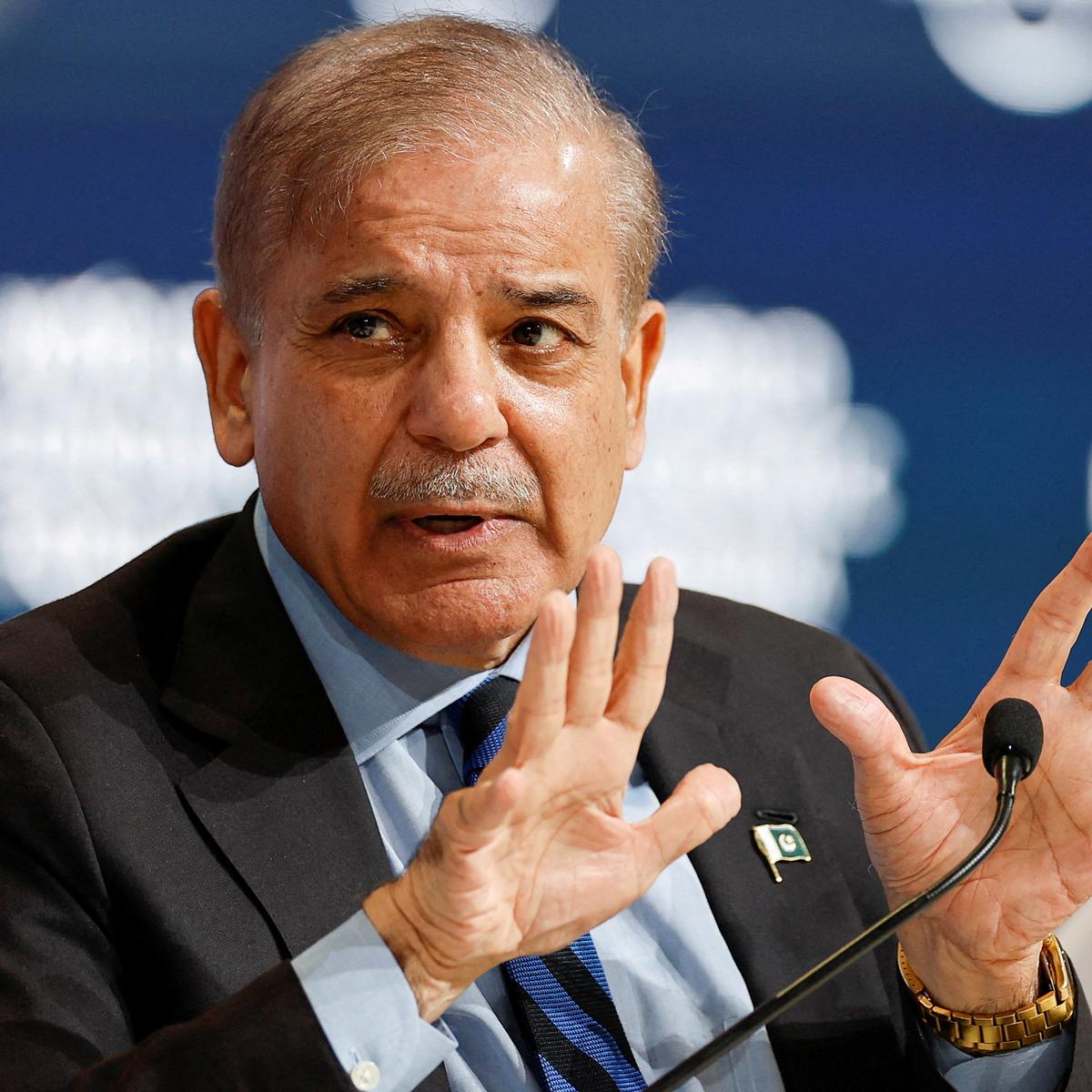
Key Legal Instruments Available
-
SAARC Regional Convention on Suppression of Terrorism
-
Binds Pakistan to prevent and prosecute terror activities.
-
Article 6 mandates action against terror financing.
-
-
UN Terrorism Conventions
-
ICSFT (Financing of Terrorism Convention): Article 20 criminalizes terror funding.
-
Terrorist Bombing Convention: Requires prosecution of bombings.
-
Both allow ICJ jurisdiction (Articles 24 & 20), bypassing Pakistan’s usual consent requirements.
-
-
UNSC Resolutions
-
Resolutions 1267 and 1373 sanction states harboring terrorists.
-
India’s Legal Opportunities
1. Build an Ironclad Case
-
Publicize evidence of Pakistan’s role in attacks (e.g., 26/11 Mumbai, Poonch).
-
Deploy parliamentary delegations to global forums to highlight violations.
2. Approach the ICJ
-
Precedent: Ukraine vs Russia (2023) shows ICJ can act despite jurisdictional reservations.
-
Strategy: Withdraw India’s reservation under the Terrorist Bombing Convention to sue Pakistan.
3. Exploit Pakistan’s Weaknesses
-
Islamabad’s admission of involvement in 26/11 (via Kasab’s nationality).
-
Documented links between ISI and groups like LeT/JeM.
Challenges & Solutions
| Hurdle | Workaround |
|---|---|
| Pakistan’s ICSFT reservation | Use ICJ to expose violations globally |
| India’s own reservations | Revise stance to enable ICJ cases |
| Evidence collection | Leverage FATF-style dossiers |
Way Forward
-
Legal Capacity Building: Train diplomats and lawyers in international law.
-
Multilateral Pressure: Rally allies to isolate Pakistan in FATF, UNGA.
-
Hybrid Strategy: Combine kinetic ops (like Sindhoor) with legal actions.
Conclusion
While military responses remain vital, India must weaponize international law to impose diplomatic and economic costs on Pakistan. A sustained lawfare campaign—backed by evidence and ICJ proceedings—can reshape global opinion and weaken Pakistan’s terror infrastructure.
5 Key Questions
Q1: What is “lawfare” in counter-terrorism?
A1: Using legal tools (treaties, ICJ) to hold terror-sponsoring states accountable.
Q2: Which treaty articles allow ICJ action against Pakistan?
A2: ICSFT Article 24 and Terrorist Bombing Convention Article 20.
Q3: How did Ukraine’s ICJ case against Russia set a precedent?
A3: Showed ICJ can rule on treaty violations despite jurisdictional issues.
Q4: Why must India revise its Terrorist Bombing Convention stance?
A4: To remove reservations blocking ICJ cases against Pakistan.
Q5: What’s the strategic value of ICJ proceedings?
A5: Global shaming of Pakistan, even if enforcement is limited.

