

India Global Focus, Moving Beyond Pakistan-Centric Diplomacy
Why in News?
As regional tensions with Pakistan continue to draw attention, a compelling argument has emerged: India must look beyond its western neighbour and engage more meaningfully with the global power shifts taking place amid Trump’s dealmaking, US-China rivalry, and evolving Middle Eastern dynamics. 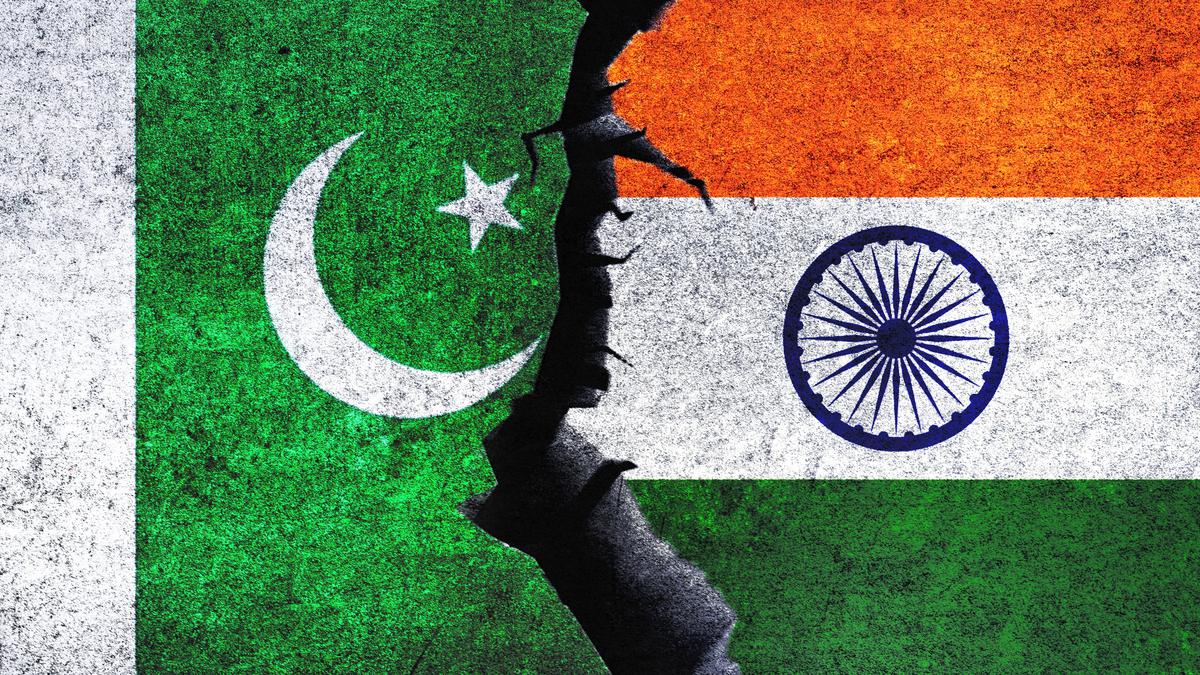
Introduction
The recent Indo-Pak tensions may have dominated headlines, but India’s true diplomatic challenge lies beyond the borders of South Asia. This perspective emphasizes India’s need to shift its foreign policy focus, moving from regional security issues with Pakistan to global power play engagement in the Middle East, Europe, and Asia-Pacific.
Key Developments and Shifting Global Alignments
1. Trump’s Transactional Diplomacy
-
US President Donald Trump’s foreign policy, characterized by deal-making and unpredictability, is reshaping global alliances.
-
Trump’s “Arab NATO” initiative and engagement with Saudi Arabia, Qatar, and the UAE demonstrate his shift toward energy-driven security pacts and new coalitions, bypassing traditional frameworks like NATO.
2. Russia-China Tightening Ties
-
President Xi Jinping and President Putin have strengthened ties, even as India interacts closely with both.
-
During India’s tensions with Pakistan, Xi and Putin’s coordinated efforts—while India and Pakistan were focused on each other—highlighted how much is happening outside South Asia.
3. Strategic Shifts in the Middle East
-
Middle Eastern nations are recalibrating alliances, with growing Russian and Chinese presence and Trump’s unpredictable interventions.
-
The US pullout from Syria and Trump’s critique of NATO has created a vacuum that other powers, including Europe, are trying to fill.
India’s Need for a Global Outlook
-
India must engage more robustly with the evolving world order, recognizing that future challenges and opportunities lie in managing great power competition, trade disruptions, and technological cooperation.
-
Continued Pakistan-centricity limits strategic vision and fails to capitalize on India’s growing international clout.
Implications for Indian Diplomacy
-
India must participate as a decisive actor in global platforms, not merely as a regional responder.
-
Events like PM Modi’s visits to key international summits, and India’s growing defense and technology partnerships, must be leveraged for long-term strategic depth.
Conclusion
India cannot afford to remain trapped in a narrow regional rivalry while the world order undergoes dramatic shifts. As Trump reshapes diplomacy, and China and Russia extend their influence, India must focus on its strategic autonomy and long-term global engagement. The world beyond Pakistan beckons, and India must respond with clarity, ambition, and purpose.
Q&A Section
Q1. What is the main argument of the article “Challenge Beyond Pakistan”?
India must shift its focus from regional rivalries, particularly with Pakistan, to global geopolitical developments involving the US, China, Russia, and the Middle East.
Q2. How is President Trump’s foreign policy impacting global dynamics?
Trump’s approach is transactional and unpredictable, creating new alliances like the Arab NATO and pushing Europe and Asia to reassess their security strategies.
Q3. Why should India engage more actively in the Middle East and global diplomacy?
Because geopolitical shifts, such as the US pulling back and China-Russia asserting influence, offer India strategic opportunities that go beyond regional concerns.
Q4. What role did China and Russia play during India-Pakistan tensions?
While India and Pakistan were focused on each other, China and Russia coordinated diplomatically, showcasing their growing global partnership.
Q5. What does the article suggest about India’s future foreign policy direction?
India should adopt a broader strategic outlook, engaging deeply with global powers and institutions, and avoid being overly reactive to Pakistan.

