
Fiction of Balanced Trade, Why Zero Trade Deficit is a Misguided Goal
Why in News?
The United States has escalated its trade war by imposing tariffs under President Donald Trump’s administration. These moves have triggered global economic reactions and sparked debates around the feasibility and usefulness of “balanced trade”—where imports equal exports. 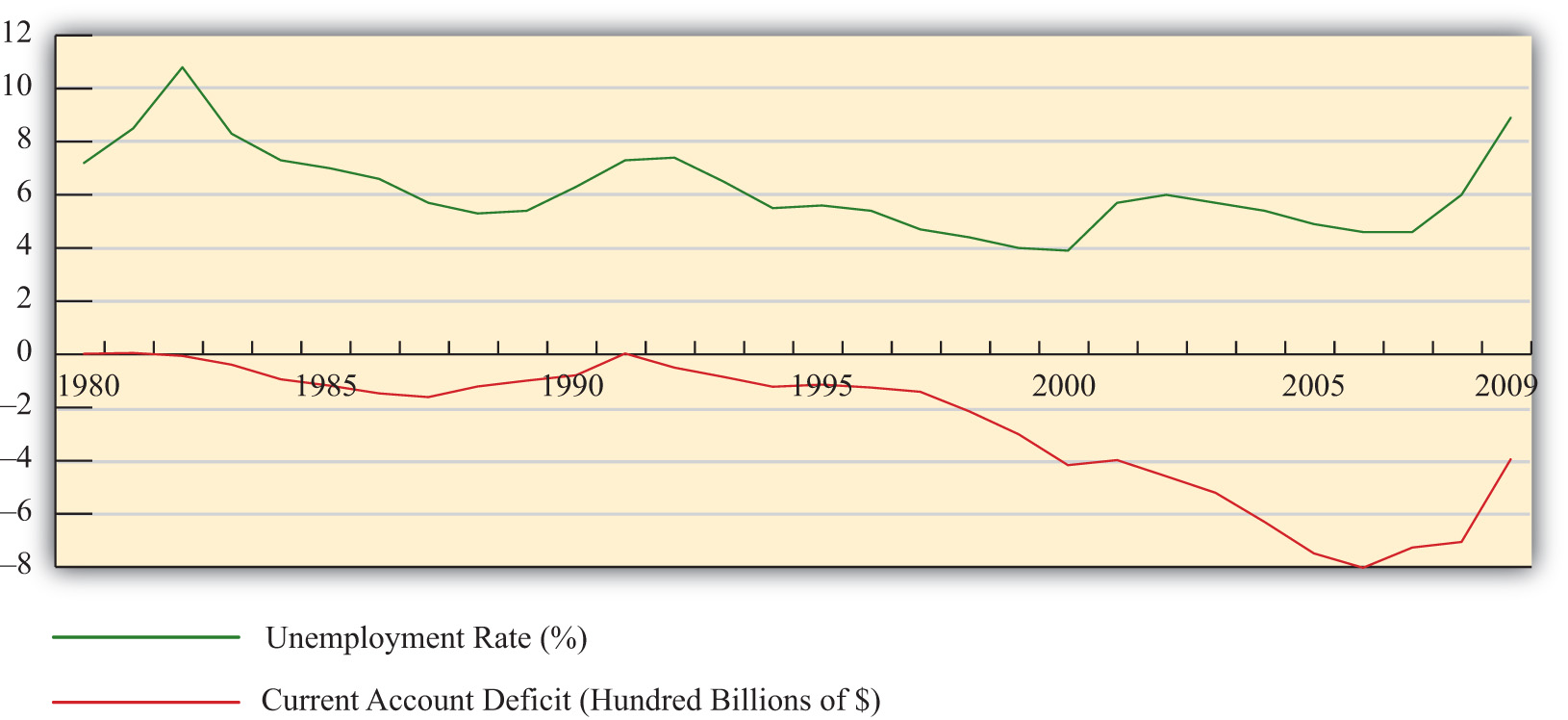
Introduction
The US recently implemented a 90-day moratorium on country-specific tariffs, with a 10% tariff on all imports and a 25% tariff on items such as autos, steel, and aluminum. Despite expectations of a global recession and rising pressure on international trade, the US continues to target a trade model with zero deficit. This has opened discussions on whether balanced trade is a practical or beneficial goal.
Key Issues and Background
1. The US Push for Balanced Trade
The US believes that reducing or eliminating tariffs can lead to a zero trade deficit. However, experts argue that trade deficits are not purely driven by tariffs but by broader macroeconomic conditions like national savings and investment imbalances.
2. Reactions from Global Markets
Financial markets have shown stress due to these tariffs, with investors switching from equities to bonds and foreign investors selling off Indian and other emerging market assets. Long-term bond yields are rising, and capital outflows from emerging economies like India are increasing.
3. India’s Position
The US tariffs present both a challenge and an opportunity for India:
-
Challenge: Competing with ultra-cheap goods from China.
-
Opportunity: As the US restricts trade with other countries, India may become a cheaper, more favorable destination for global manufacturing and imports.
The Core of the Concern
1. Misconception of Trade Balance
Balanced trade is seen as a solution to deficits, but this ignores the fact that:
-
Trade deficits often reflect low savings and high investments.
-
Trade surpluses can result from excessive saving and low domestic consumption.
-
Removing tariffs won’t necessarily reduce trade deficits.
2. Trade Deficit is Not Always Bad
A country may import more than it exports because it attracts capital for investments or consumes more due to higher income. This is not inherently negative.
Key Observations
1. Impact on India
-
India may benefit by supplying components or finished goods to the US that it previously imported from China.
-
Indian exporters could also find new markets as global supply chains reconfigure.
2. Domestic Implications
-
Lower cost of imported goods and components could reduce inflation in India.
-
This may also ease pressure on the RBI and help maintain interest rates, aiding economic stability.
Conclusion
The notion of perfectly balanced trade is more ideological than practical. Rather than striving for zero deficits, countries like India and the US should focus on improving productivity, competitiveness, and monetary policy coordination. For India, the global trade reshuffle could become a strategic opening—if leveraged correctly.
Q&A Section
Q1. What is meant by ‘balanced trade’?
Ans: Balanced trade refers to a situation where a country’s exports equal its imports, resulting in zero trade deficit or surplus.
Q2. Why is the US pushing for balanced trade?
Ans: The US under President Trump believed that reducing or removing tariffs and restricting imports could eliminate trade deficits and strengthen domestic manufacturing.
Q3. What are the flaws in the idea of balanced trade according to experts?
Ans: Experts argue that trade deficits reflect broader economic conditions like national savings and investment levels, and not just tariff policies. Eliminating tariffs won’t automatically balance trade.
Q4. How could India benefit from the US trade policy shift?
Ans: India could become a cheaper alternative for exports and production as the US imposes tariffs on other countries like China, and foreign companies seek to shift supply chains.
Q5. What domestic effects might India experience due to the global trade tensions?
Ans: India could see a drop in import costs, reduced inflationary pressures, and less monetary policy stress, which may help boost domestic growth and trade competitiveness.
