

Corporates Should not Expect Banking Licences
Why in News?
The Governor of the Reserve Bank of India (RBI) has recently reaffirmed the central bank’s longstanding policy of keeping large corporate houses out of the banking sector. This reassertion is particularly significant amidst renewed lobbying from influential industrial groups and comes at a time when India’s financial system is witnessing structural reforms and expansion. 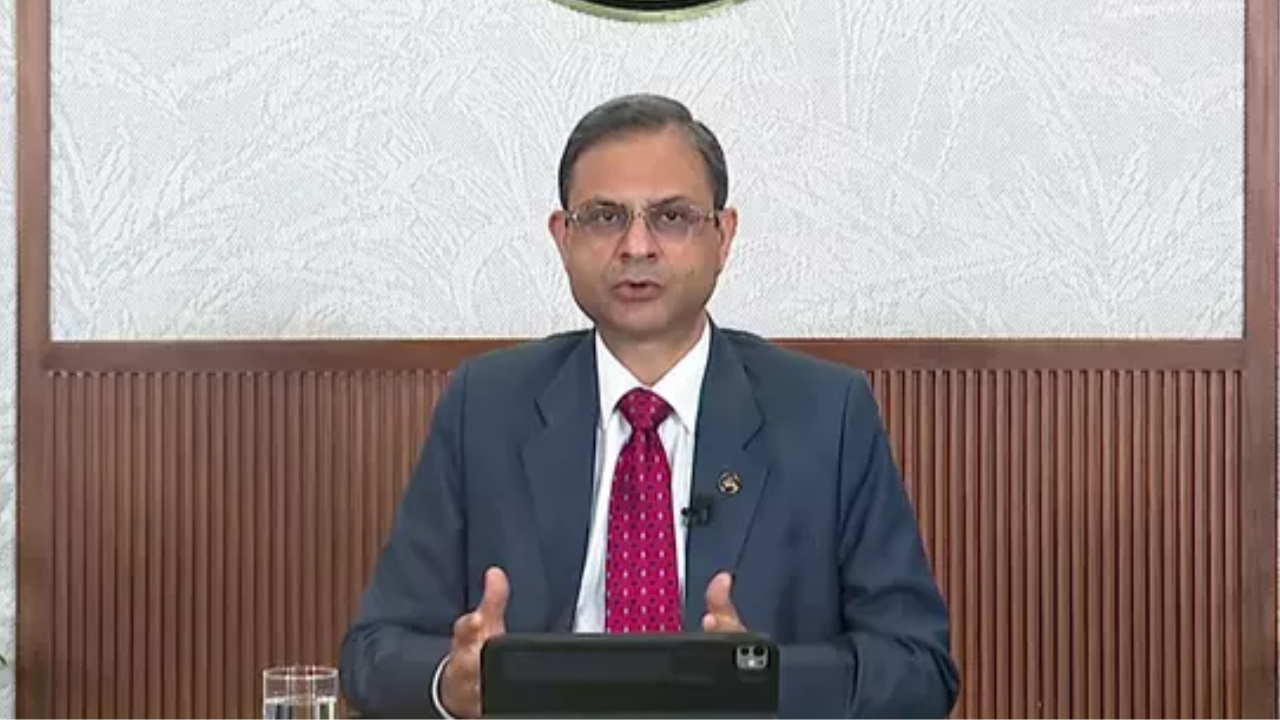
Introduction
In the realm of finance, continuity can often be more reassuring than change. The RBI’s firm stance on keeping corporate entities out of banking marks such a continuity, reiterating a policy that has been upheld for decades. RBI Governor Shaktikanta Das, in his recent statement, cited an “inherent conflict of interest” involved when corporate houses are allowed to own or operate banks—especially due to concerns about misusing depositors’ money. This affirmation carries weight, especially in the context of previous policy debates and recommendations that flirted with the idea of corporate entry into banking.
The reiteration by the central bank is a response to both past recommendations and ongoing lobbying efforts. It strengthens the broader financial ecosystem’s integrity and ensures the safety of public deposits by avoiding concentrated economic power in the hands of a few conglomerates.
Key Issues
-
RBI’s Policy Continuity on Corporate Entry
The Reserve Bank of India has consistently maintained a cautious approach toward allowing corporate entities to operate banks. The central bank’s concerns revolve around the potential misuse of public funds, risks of conflict of interest, and the likelihood of unhealthy related-party transactions that can compromise financial stability.In his statement, Governor Shaktikanta Das underlined that there is no current proposal to allow corporates—either directly or through non-banking finance companies (NBFCs)—to apply for or receive banking licences. He reiterated that allowing such entities to have access to the public’s savings could lead to significant systemic risks.
-
Historical Context and Recommendations
In 2020, the RBI released the report of an internal working group chaired by P.K. Mohanty, which was formed to review the ownership guidelines for private banks. The group controversially recommended that large corporate houses may be allowed to promote banks. However, they did include a caveat: this should happen only after necessary amendments are made to the Banking Regulation Act of 1949 and the introduction of stringent supervisory mechanisms.The suggestion stirred significant debate within policy circles and among financial experts. The core concerns stemmed from issues related to exposure of banks to other businesses within the same corporate group, and the potential for diversion of funds or other unethical practices. Unfortunately, the supervisory mechanisms required to ensure a firewall between banking and other commercial interests have still not been adequately implemented.
-
Global Precedents and Structural Risk
India is not alone in keeping corporate entities at arm’s length from the banking sector. Many advanced economies, such as the United States, prohibit commercial enterprises from owning banks in order to maintain a clear distinction between commerce and banking. This ensures the sanctity of depositors’ interests and maintains the health of the financial system.Arguments suggesting that India’s banking sector is too small relative to its GDP—thus needing capital from corporates to grow—are not persuasive. Other funding avenues such as equity markets, corporate bonds, and NBFCs have matured in India and provide sufficient avenues for capital access. Encouraging corporations to start banks is, therefore, unnecessary and potentially dangerous.
-
Concerns Over Concentration of Power
A key challenge in allowing corporate houses into banking is the danger of excessive concentration of financial power. India already faces issues related to crony capitalism, and permitting conglomerates to control banks could aggravate this problem. There’s a real risk that such banks may serve the vested interests of the promoters rather than the public.While regulations do exist to cap promoter holdings (currently at 26 percent of the paid-up voting capital), these safeguards may not be enough in the face of aggressive lobbying and complex group structures. Moreover, enforcing such caps becomes significantly harder when the promoter is a large, politically influential conglomerate.
-
Public Trust and Financial Stability
The backbone of any modern economy is a strong, resilient, and trusted banking system. Public confidence in banks is based on the assurance that their money is safe and that banking institutions are governed by transparency and prudence, not commercial greed.Allowing corporate houses into banking would undermine this trust. It could lead to preferential lending, opaque balance sheets, and elevated systemic risk. As such, the RBI’s decision to stick to its conservative stance should be viewed as a prudent step toward long-term financial health rather than a reluctance to innovate.
Alternative Approaches
-
Strengthening NBFCs and Alternate Financial Channels
Rather than pushing for corporate entry into the banking sector, policy efforts should focus on strengthening alternate financial channels. India’s NBFC sector is already robust and offers multiple avenues for businesses to raise capital without requiring access to depositor funds. -
Improving Public Sector Bank Governance
If the intent is to improve banking services and efficiency, reforms in governance and capitalisation of public sector banks offer a more sustainable path forward. The recent consolidation of public sector banks and measures to professionalise their boards can deliver much-needed efficiency without the risks of corporate ownership. -
Encouraging Financial Inclusion Through Technology
Technology-led banking solutions, digital payment systems, and fintechs have already demonstrated a powerful impact on financial inclusion. Supporting these ecosystems through innovation-friendly regulations can bridge the credit gap without diluting banking safeguards.
Challenges and the Way Forward
-
Political and Industrial Lobbying: One of the biggest challenges for the RBI remains the persistent lobbying by corporate houses who see banking as a new frontier for expansion. With influential groups pressuring for regulatory changes, the central bank’s independence must be safeguarded.
-
Regulatory Oversight: Even with strong intent, enforcing complex ownership restrictions and ensuring true independence of banks promoted by industrial houses will be a challenge. The current supervisory framework is not robust enough to prevent related-party transactions and backdoor fund transfers.
-
Consistency in Policy Messaging: The RBI must continue to maintain a clear, consistent position on the matter to prevent ambiguity that could be exploited by powerful interests. Any sign of wavering could weaken public confidence and open the door to policy dilution.
-
Financial Stability First: Policymakers need to remember that banking is not just another business. It plays a critical role in the overall financial architecture, and missteps in licensing can lead to crises with far-reaching implications for economic growth and social welfare.
Conclusion
The Reserve Bank of India’s decision to reaffirm its policy against allowing corporate houses into banking is both timely and commendable. In a fast-changing world where pressure to liberalize is constant, this stance underscores a critical truth: not all change is good, especially when it risks the stability of the financial system.
While India’s banking sector continues to evolve with increasing digitization, financial inclusion, and institutional consolidation, the core principle must remain unchanged—protect the public’s trust. And that begins with ensuring that banks serve depositors, not the business interests of corporate promoters. The central bank’s message is clear: the door to banking remains firmly closed for corporate houses, and rightly so.
Five Questions & Answers
Q1. What recent statement did the RBI Governor make regarding corporates and banking licences?
A: RBI Governor Shaktikanta Das reiterated that there is no proposal to allow corporate houses, either directly or through NBFCs, to acquire banking licences.
Q2. Why is the entry of corporate houses into banking considered risky?
A: It presents a serious conflict of interest, especially concerning the use of public deposits for corporate gains, leading to potential financial instability and erosion of public trust.
Q3. What was the 2020 RBI Internal Working Group recommendation?
A: The group had recommended allowing corporate houses to promote banks, subject to amendments in regulatory laws and introduction of stronger supervisory mechanisms.
Q4. How does India’s policy compare with other countries?
A: India’s policy aligns with that of several other nations like the U.S., where corporate-commercial entities are barred from owning banks to prevent conflicts between business interests and depositor safety.
Q5. What alternatives can help enhance credit access without involving corporate banks?
A: Strengthening NBFCs, improving governance in public sector banks, and promoting fintech-led financial inclusion are viable and safer alternatives.

