

Climate Change Reshapes India Monsoon Clouds – Threat to Food Security
Why in News?
A groundbreaking study published in Science of the Total Environment (July 2024) reveals alarming changes in India’s monsoon cloud patterns due to global warming. Led by researchers from Jawaharlal Nehru University and international collaborators, the study warns of cascading impacts on agriculture, water resources, and disaster preparedness. 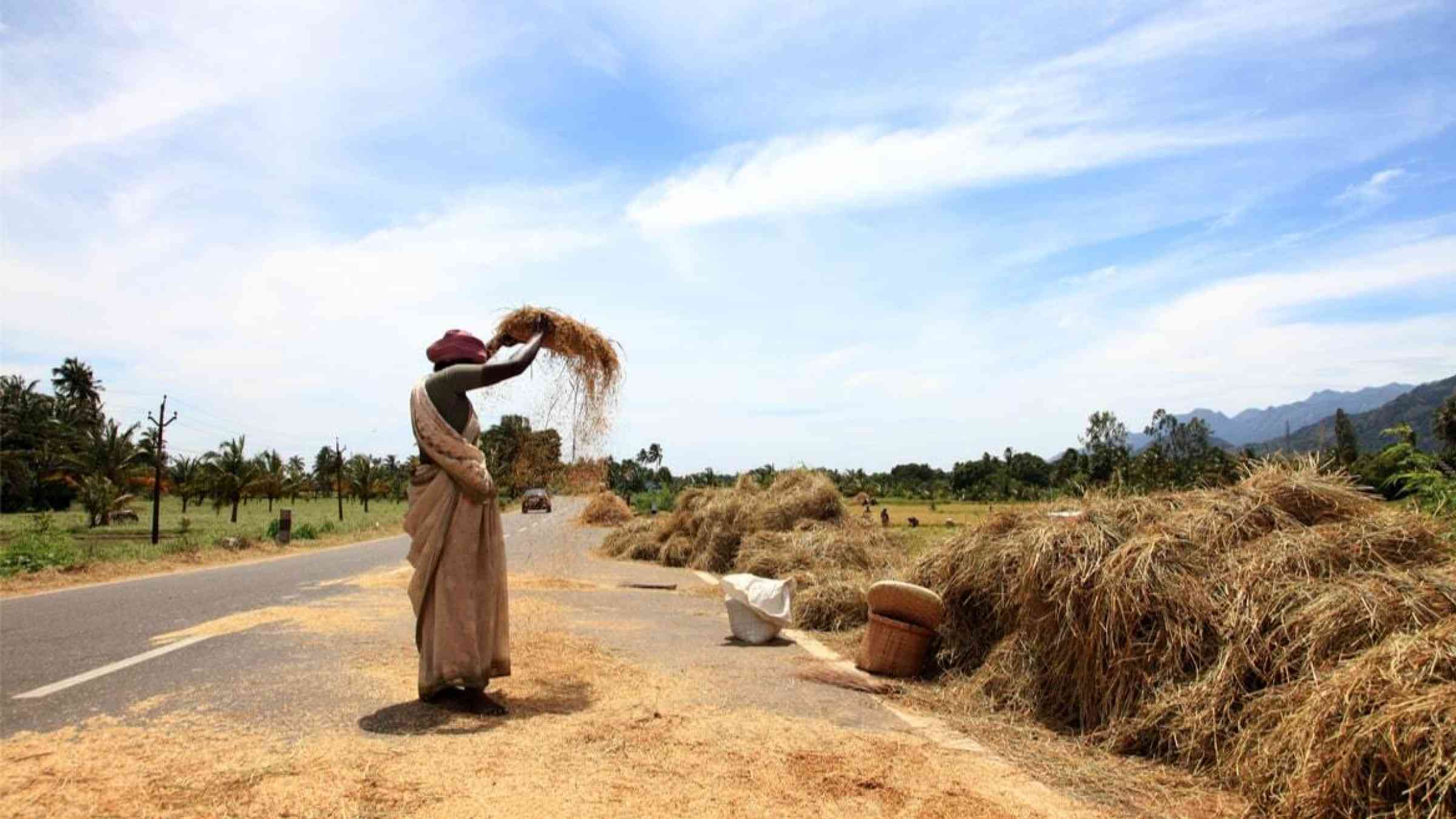
Key Findings of the Study
1. Dramatic Shift in Cloud Patterns (2000–2024)
-
High-level clouds (heat-trapping, less predictable): Increased by 11% per decade.
-
Low-level clouds (rain-bearing, cooling): Decreased by 8% per decade.
-
Tropopause rise: Boundary layer expanded by 4–5 meters per decade, indicating atmospheric warming.
2. Climate Drivers
-
Strong correlation with Global Warming Index (GWI) and ENSO/NAO cycles.
-
Temperature spikes: 6°C–10°C rise in key atmospheric layers over two decades.
3. Agricultural Impacts
-
Erratic rainfall: Fewer low clouds mean less consistent monsoon rains, critical for crops like rice and sugarcane.
-
Extreme weather: More high clouds linked to intense, localized downpours and droughts.
Implications for India
-
Food Security at Risk
-
60% of India’s farmland relies on monsoons; cloud shifts threaten crop yields and farmer incomes.
-
Example: A 13% rise in high-altitude clouds could reduce groundwater recharge by 20–30% in arid regions.
-
-
Water Scarcity
-
Reduced low-cloud rainfall exacerbates droughts in states like Maharashtra and Rajasthan.
-
-
Disaster Preparedness
-
Increased floods (from high-cloud deluges) and heatwaves (due to heat-trapping clouds) demand better forecasting.
-
Way Forward: Climate-Resilient Solutions
-
Agriculture Reforms
-
Promote drought-resistant crops (e.g., millets) and micro-irrigation.
-
Scale up AI-powered weather advisories for farmers.
-
-
Infrastructure Investment
-
Expand water storage (check dams, rooftop rainwater harvesting).
-
Strengthen flood early-warning systems.
-
-
Policy Action
-
Integrate cloud-pattern data into monsoon forecasting models.
-
Align with National Action Plan on Climate Change (NAPCC) goals.
-
-
Global Collaboration
-
Partner with IPCC and World Meteorological Organization for advanced climate modeling.
-
Conclusion
The study underscores that climate change is no longer a distant threat—it is rewriting India’s monsoon blueprint. With millions dependent on rain-fed agriculture, urgent adaptation strategies are vital to safeguard livelihoods and national food security. As the 2024 monsoon unfolds, India must prioritize climate-smart policies to weather the coming storm.
5 Key Questions
Q1: How has global warming altered India’s monsoon clouds?
*A1: Low-level rain-bearing clouds declined by 8%, while heat-trapping high clouds rose by 11% per decade.*
Q2: Which regions are most vulnerable to these changes?
*A2: Rain-fed agricultural zones (e.g., Punjab, Bihar) and drought-prone areas (Rajasthan, Marathwada).*
Q3: What is the link between high clouds and extreme weather?
A3: High clouds correlate with erratic rainfall—intense downpours followed by prolonged dry spells.
Q4: How can farmers adapt?
*A4: Shift to resilient crops (millets), adopt drip irrigation, and use AI-based weather apps.*
Q5: What role does policy play?
A5: India must upgrade forecasting, invest in water infrastructure, and implement NAPCC measures.

