

Climate Change, Just a Footnote in US Energy Strategy?
Why in News?
At a major energy conference in Houston, the US Energy Secretary declared, “This is not the time for energy transition; this is the time for energy addition.” This statement, met with applause, reflects a stark shift in America’s approach to climate change and energy policy — one that deserves global scrutiny.
Introduction
The world is heating rapidly with devastating climate consequences. Yet, the US — the largest historical polluter and second-highest emitter today — is sidelining climate action. With climate change pushed to the periphery, the US government is now prioritizing industrial growth over green transition, signaling a dangerous departure from previous commitments. 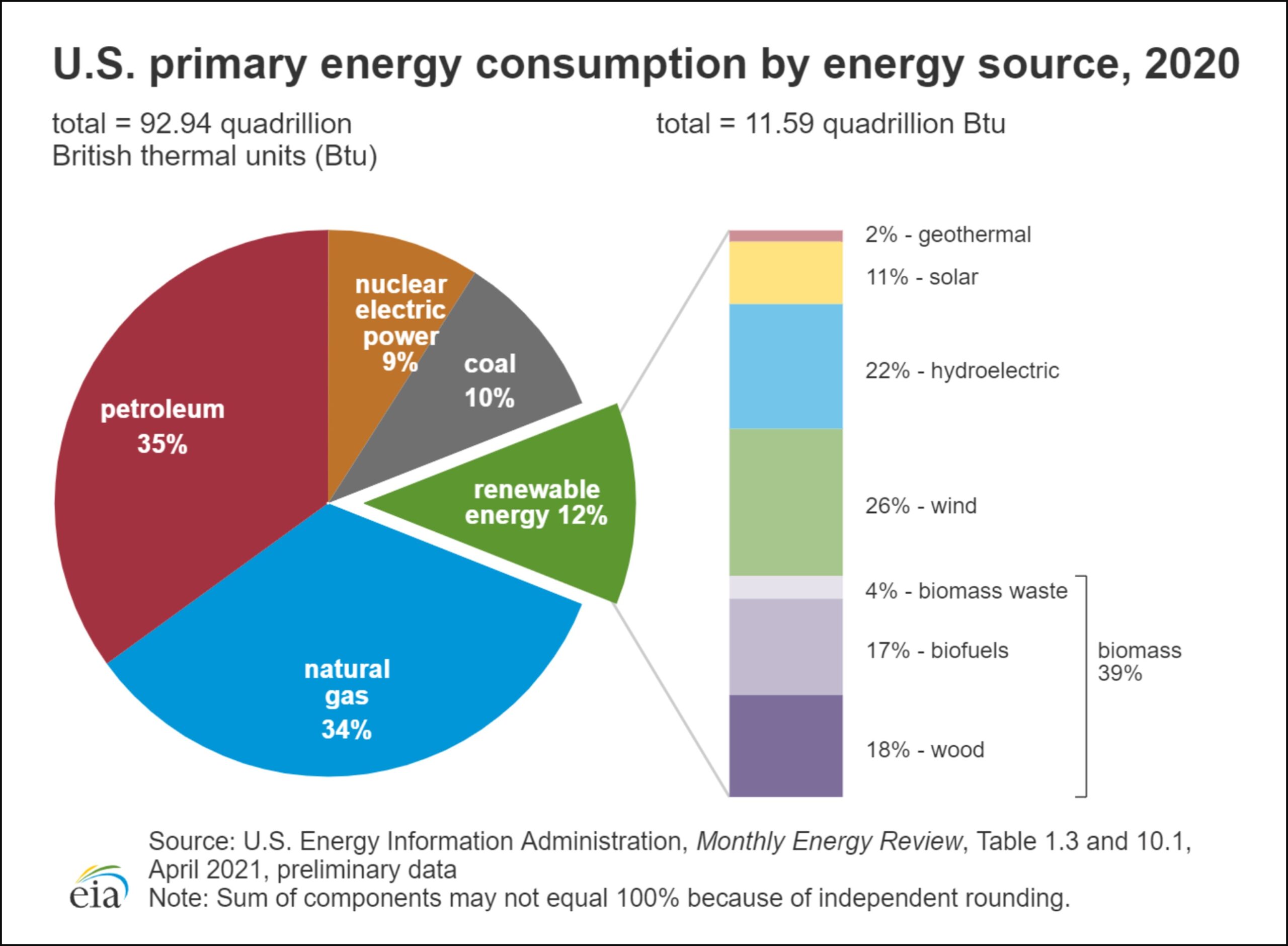
Key Issues
1. Shift in Energy Policy Under Trump Administration
Rather than continuing on the path of decarbonization, the current US energy strategy emphasizes “re-industrialisation”. Two main reasons are behind this:
-
Rising National Debt: With interest payments on $36 trillion debt surpassing defense spending, the focus is now on boosting manufacturing and economic output.
-
Race with China: The US fears falling behind in strategic sectors such as semiconductors, AI, and electric vehicles — leading to massive energy-intensive infrastructure like data centers.
2. Data Centres: The Hidden Energy Drain
The US already operates over 5,000 data centres, consuming 3% of its grid electricity. These are projected to consume 8-12% of total electricity by the end of this decade. To fuel this demand, the administration argues that renewables cannot be relied upon — pushing the narrative that the energy transition is unrealistic.
3. Misleading Renewable Energy Narrative
The claim that renewables only supply 3% of US energy is misleading. In electricity generation, renewables have already overtaken coal, contributing 15-17% in recent years. However, when all energy use is considered (including oil and gas for transport and industry), their share appears lower.
4. A Return to Fossil Fuels
The administration is fast-tracking fossil fuel development, especially natural gas, which is being aggressively exported. While coal is being displaced in countries like India, natural gas is growing — and climate change is sidelined. The Energy Secretary even stated that carbon dioxide is not a pollutant, unlike carbon monoxide — highlighting the diminishing seriousness of climate concerns in policy circles.
5. Future of Clean Energy: Bleak Outlook
While nuclear energy and hydrogen are mentioned, these are treated as hopeful experiments rather than commitments. The US appears to have abandoned its proposed 50% emission reduction by 2030, and its share of the global carbon budget will likely grow.
Challenges and the Way Forward
-
Hypocrisy in Leadership: The world expected the US to lead in climate transition. Now, it risks increasing emissions while developing nations like India are urged to cut theirs.
-
Loss of Global Credibility: By stepping away from its climate goals, the US undermines global trust and cooperation on climate action.
-
Need for Urgent Global Dialogue: The world must now hold the US accountable and push for sustainable policies from all major emitters.
Conclusion
The US’s new energy policy represents a serious backslide in global climate leadership. With climate change now reduced to a footnote in its planning, the planet faces greater uncertainty. This shift must not go unchallenged. We must question, engage, and demand accountability — not just from the US but from every global player.
5 Q&A on US Climate Policy Shift
Q1: Why has the US shifted focus away from climate change?
Due to high national debt and the urgency to reindustrialize, the US is prioritizing economic growth and energy security over environmental commitments.
Q2: Are renewable energies truly ineffective, as the US claims?
No. Renewables now contribute more than 15% of US electricity. The 3% figure is misleading as it includes the entire energy mix (including transport), where fossil fuels still dominate.
Q3: What is the impact of data centres on US energy consumption?
US data centres already consume 3% of the grid’s electricity and are expected to consume up to 12% by decade’s end — making them major contributors to rising energy demand.
Q4: Is the US abandoning its climate commitments?
Yes. It is unlikely to meet its target of 50% emission reduction by 2030. The country is increasing investments in fossil fuels and nuclear energy instead of renewable solutions.
Q5: What does this mean for countries like India?
Countries in the Global South, which need energy for development, will suffer if major polluters like the US continue fossil fuel use. The US’s reversal makes the global 1.5°C goal even harder to achieve.
