
Censorship and Political Pressure in Malayalam Cinema, A Growing Concern
Why in News?
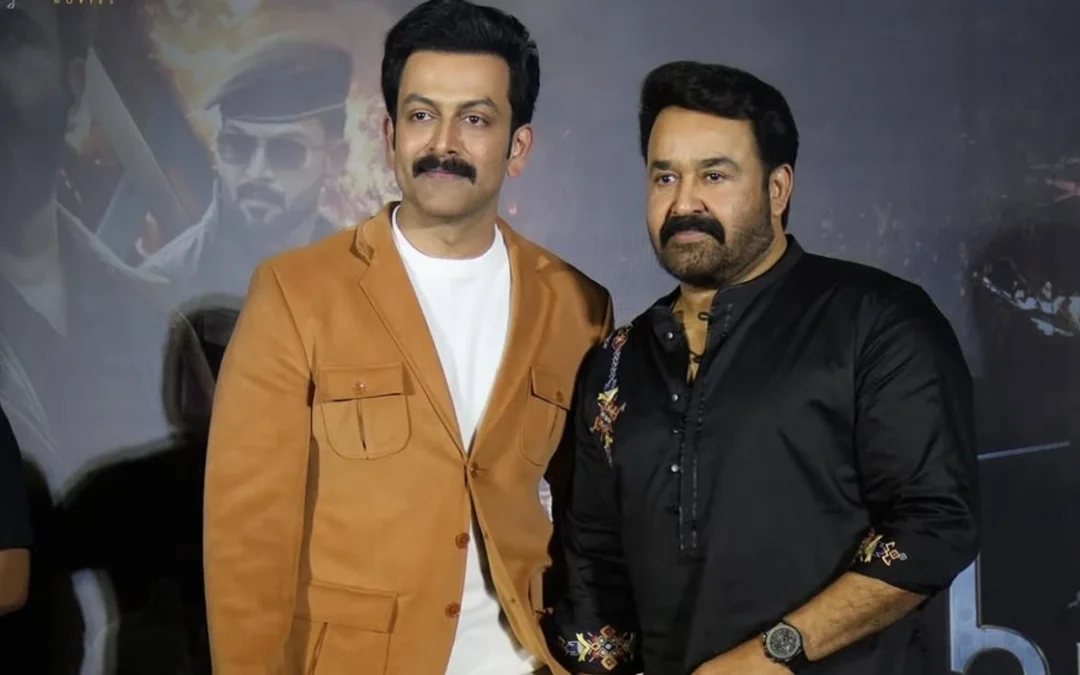
The recent controversy surrounding the film L2: Empuraan, directed by Prithviraj Sukumaran and starring Mohanlal, has raised serious concerns about political pressure and censorship in the Malayalam film industry. The movie, which references past communal violence in India, was subjected to several ‘voluntary cuts’ after facing intense online hate campaigns. 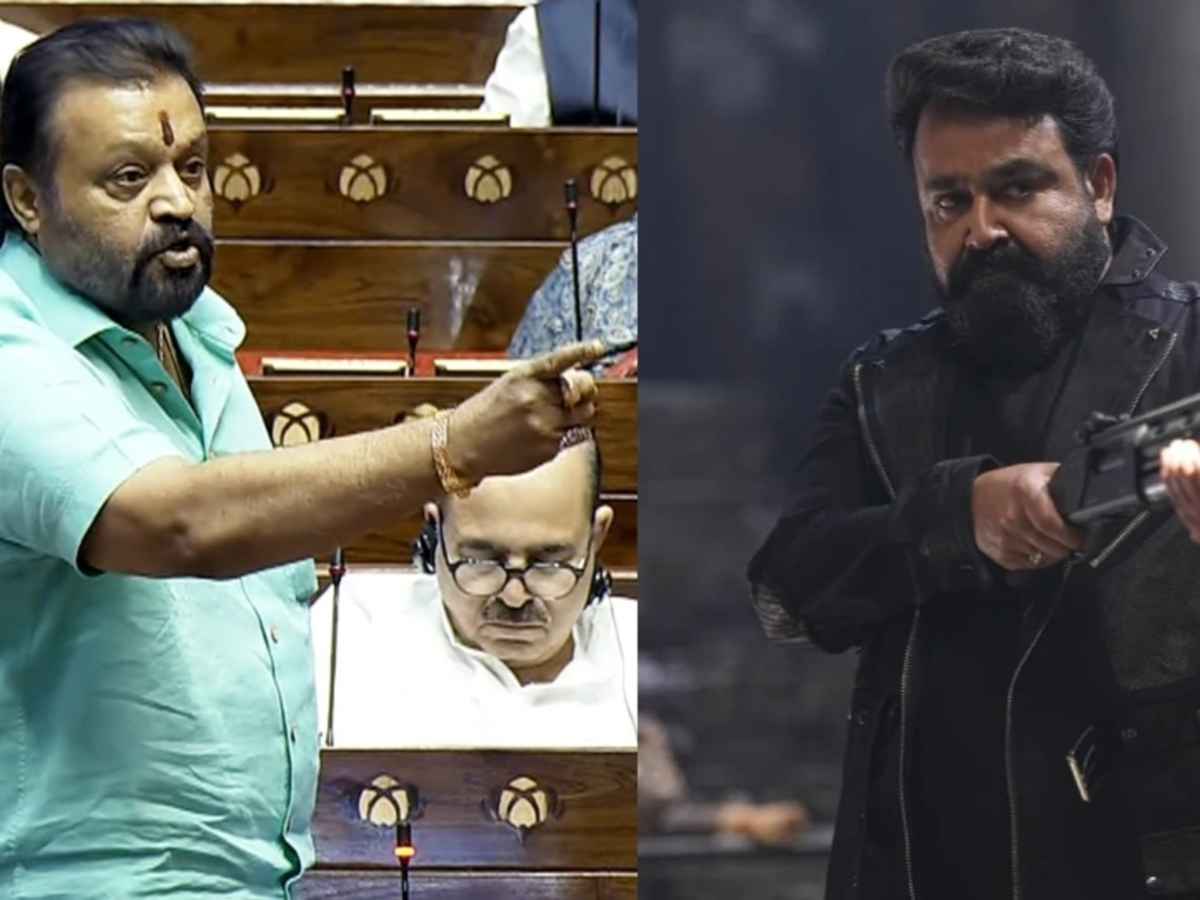
Background of the Issue
-
The film begins with a 15-minute sequence depicting a communal flare-up in India in 2002, which seemingly references the Gujarat riots and the Sabarmati Express incident.
-
Certain sequences in the movie appear to reflect the Bilkis Bano case, in which 11 men convicted of gang rape and murder were released.
-
The antagonist, Baba Bajrangi, shares similarities with Bajrang Dal leader Babu Bajrangi, who was sentenced to life imprisonment for his role in the Naroda Patiya massacre.
Political Reactions and Online Hate Campaigns
-
The film’s references to past communal violence led to an aggressive online campaign against its makers.
-
BJP leaders in Kerala initially distanced themselves from the controversy but later started publicly attacking the filmmakers.
-
BJP State Vice President B. Gopalakrishnan labeled the film’s producer, Supriya Menon (Sukumaran’s spouse), as an ‘urban Naxal’.
-
The Rashtriya Swayamsevak Sangh (RSS) mouthpiece Organiser published three articles attacking the film, even calling Prithviraj Sukumaran the “voice of anti-nationals.”
Double Standards in Film Censorship
-
The controversy comes at a time when the Hindi film industry has been promoting pro-government narratives, while Malayalam cinema faces strict scrutiny.
-
Films like The Kerala Story, which was accused of spreading hate and misinformation, received government support and ran in theatres freely.
-
However, Empuraan was forced to make cuts, showcasing a selective approach to censorship.
Fear of Self-Censorship in Malayalam Cinema
-
The silence of major film industry figures and film organizations over this controversy highlights a growing climate of fear.
-
The apology from Mohanlal, one of the biggest stars in Malayalam cinema, has disappointed many as it signals submission to political pressure.
-
There are concerns that future filmmakers may self-censor, fearing similar backlash.
The Future of Independent Cinema in India
-
Malayalam cinema has a legacy of producing bold films like Nirmalyam and The Great Indian Kitchen, which have critically examined social and political issues.
-
The ongoing political scrutiny and censorship threats pose a critical challenge to the industry’s independent and fearless storytelling tradition.
-
If there is no collective pushback against censorship, the industry risks losing its creative diversity and becoming an echo chamber of state-approved narratives.
Conclusion
The hounding of the makers of Empuraan is a warning sign for the entire Indian film industry. The trend of selective censorship, online harassment, and political intimidation could have long-term repercussions on freedom of expression in cinema. If the industry fails to resist these pressures, Indian cinema may soon be reduced to a monolithic vision that suppresses diverse narratives.
Q&A Section
Q1: Why was Empuraan targeted for censorship and backlash?
A: The film references past communal violence, including the 2002 Gujarat riots and the Bilkis Bano case, which led to strong reactions from right-wing groups and political leaders. It was criticized by BJP leaders and RSS-backed publications, resulting in a campaign that forced the filmmakers to make cuts.
Q2: How did the political establishment react to the film?
A: Initially, BJP leaders in Kerala distanced themselves from the controversy. However, several party members later launched attacks on the filmmakers and their families. BJP State Vice President B. Gopalakrishnan labeled Supriya Menon (the producer and Prithviraj’s wife) as an ‘urban Naxal’, and RSS-backed Organiser magazine accused Prithviraj Sukumaran of being anti-national.
Q3: How does this case reflect selective censorship in Indian cinema?
A: While Empuraan faced severe scrutiny and was forced to make cuts, pro-government propaganda films like The Kerala Story were promoted and allowed to run freely. This highlights double standards in film censorship, where only critical voices are silenced while state-backed narratives are encouraged.
Q4: What impact does this have on the Malayalam film industry?
A: The hounding of Empuraan’s makers creates a climate of fear in the industry, potentially leading to self-censorship among filmmakers. This could stifle independent storytelling and push Malayalam cinema towards safer, state-approved narratives.
Q5: What are the larger implications for Indian cinema?
A: If this trend continues, it may lead to a homogenized film industry where diverse narratives are suppressed in favor of politically aligned content. This could significantly impact freedom of artistic expression in India.
Q6: What needs to be done to protect independent cinema?
A: The film industry must unite to resist political pressure and censorship. Independent filmmakers and audiences should demand fair treatment and push back against efforts to control creative expression. Stronger legal protections for artistic freedom and more independent film certification bodies could also help safeguard cinema from political interference.
