
Autonomous Warfare in Operation Sindoora
Why in News?
In May 2025, India and Pakistan engaged in a four-day armed confrontation following a Pakistani terror attack in April. Operation Sindoora, India’s military response, marks a historic shift towards autonomous, AI-enabled warfare using Unmanned Aerial Systems (UAS), armed drones, and loitering munitions, redefining the future of South Asia’s military engagements. 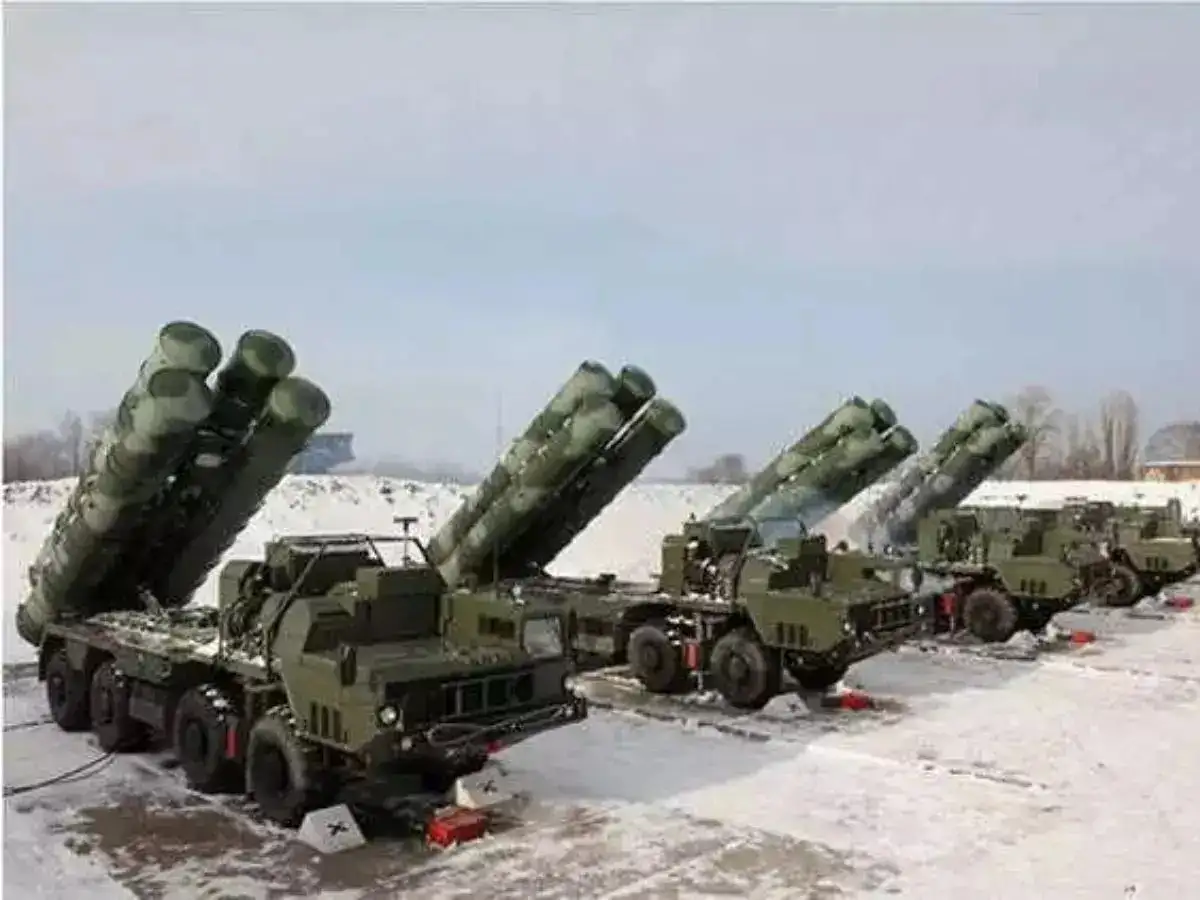
Introduction
Operation Sindoora represents a turning point in regional warfare, showcasing how autonomous platforms and AI-driven combat tools have overtaken traditional manned operations. The conflict revealed new dimensions of deterrence, where human pilots were replaced by intelligent machines, drastically altering combat strategy, scale, and speed.
Key Issues and Background
❖ What Sparked the Conflict?
-
The operation was launched after a Pakistani terror strike in April 2025.
-
Over four days, both nations engaged in non-contact warfare, using drone swarms, loitering munitions, electronic warfare, and AI-coordinated strikes.
❖ Major Tech Involved in Operation Sindoora
India employed a wide variety of aerial and ground-based autonomous systems:
-
Hero-1 loitering munitions, Tapas-BH-201 UAVs, and RUAVs for long-endurance surveillance.
-
Drones were integrated with AI-based fire control and Directed Energy Weapons (DEWs).
-
Satellite and mobile platform-based coordination was used for real-time data analysis.
❖ Autonomous Strategy Shift
-
India’s Integrated Air Command and Control System (IACCS) was key in managing this new warfare style.
-
Both countries launched massive drone sorties targeting air defence sites, SAM batteries, radar systems, and logistics hubs.
-
Low-Level Light Weight Radars (LLLWR), Akash-NG and SPYDER systems were activated to intercept drones and missiles.
The Core of the Concern
❖ Speed and Precision Over Manpower
-
The conflict showed how autonomous systems outpaced human-led strategies.
-
Autonomous drones conducted real-time surveillance, target detection, and immediate counter-response without human pilots.
-
Loitering munitions and kamikaze drones played a critical role in targeting fortified enemy defences.
❖ Escalation of AI-Driven Arms Race
-
Both India and Pakistan demonstrated AI-based command systems that could respond within seconds.
-
The battle highlighted how open-source intelligence and machine learning are now embedded in national defence policies.
Key Observations
-
Pakistan’s IACCS equivalent, with its limited DEW capabilities, faced challenges against India’s rapidly deploying swarms.
-
Drones and robots are now seen as first responders in the battlefield, operating beyond human capabilities.
-
India’s Air Force, Army, and private defence startups played a central role in adapting to this new military model.
Conclusion
Operation Sindoora marks a technological revolution in South Asian warfare. It proved that the future of conflict lies in automation, unmanned systems, and digital warfare capabilities. While these advancements improve deterrence, they also pose new ethical and security dilemmas, demanding robust international regulation on autonomous weapons.
Q&A Section
-
What was Operation Sindoora?
It was India’s military response to a Pakistani terror attack, marking a major shift to autonomous, unmanned warfare. -
What new technologies were used?
Armed drones, loitering munitions, UAS, DEWs, AI-coordinated radar, and IACCS networks were used. -
How was this different from traditional warfare?
It removed the need for pilots and manned platforms, relying entirely on automated and AI-driven systems. -
What challenges did this present?
Disruptions in digital signals, AI coordination complexities, and the risk of rapid escalation were key issues. -
What does this mean for future warfare in South Asia?
Autonomous systems may dominate future conflicts, making conventional warfare strategies obsolete.

