

Aiming for an Era of Biohappiness in India
Why in News?
On the occasion of World Environment Day 2025, the idea of ‘Biohappiness’—a term coined by agricultural scientist M.S. Swaminathan—has gained renewed attention as India focuses on sustainable development rooted in biodiversity, food security, and community well-being. 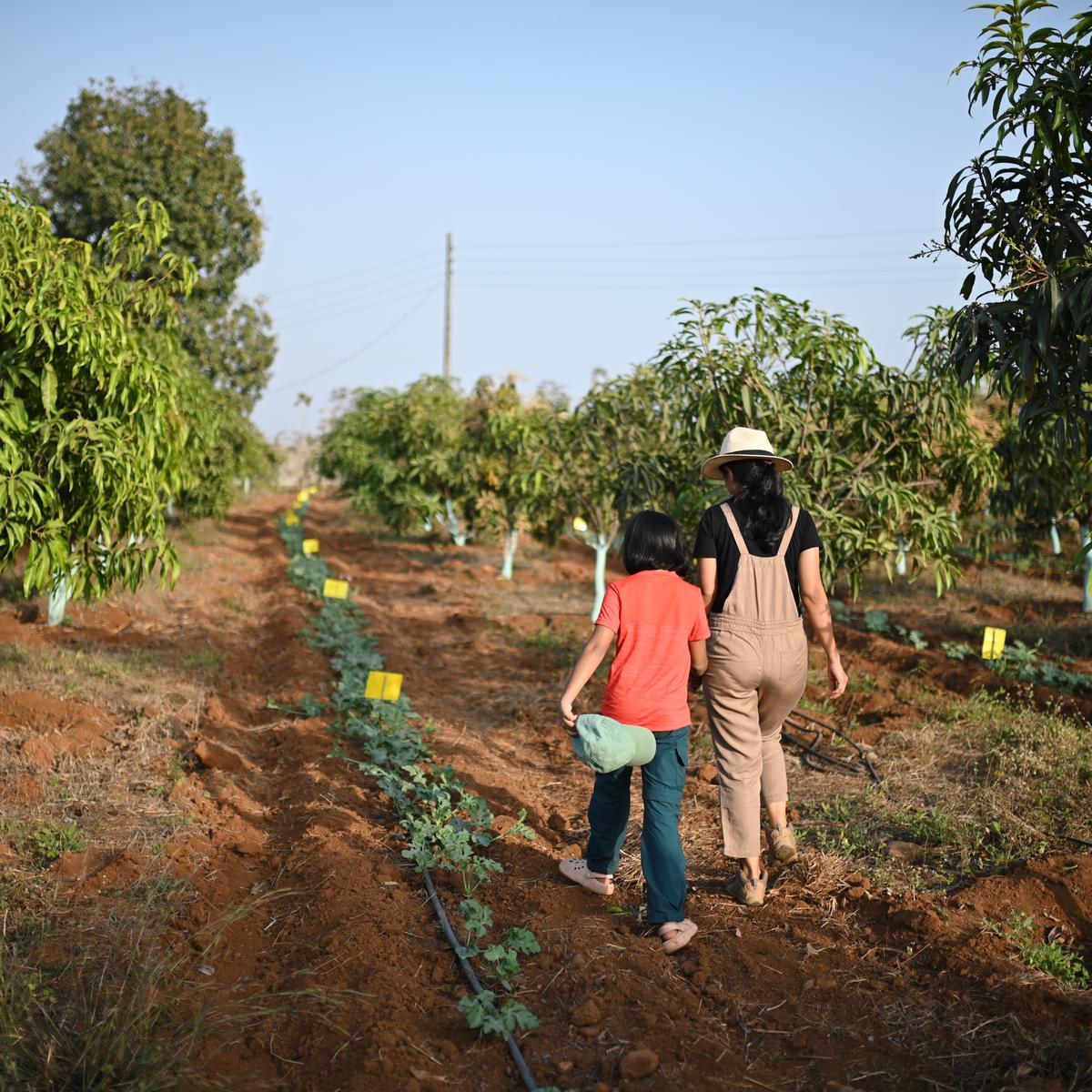
Introduction
India is witnessing an urgent call to shift from monoculture farming and urban-centric food systems to sustainable, biodiversity-based agriculture that ensures nutrition, equity, and happiness—coined as biohappiness. This term represents a model of well-being rooted in nature, where local food systems, biodiversity, and community traditions come together to ensure both human and planetary health.
Key Issues and Background
1. Rich Yet Underutilized Biodiversity
India covers only 2% of the world’s land area but hosts 8% of global biodiversity. Unfortunately, rapid economic development has reduced genetic diversity in crops, livestock, and wild species, weakening resilience and increasing climate vulnerability.
2. Disappearing Food Diversity
In tribal and remote areas, traditional crops such as millets, pulses, and tubers once formed the base of diets. Now, agrobiodiversity is declining, with urban diets dominating even in rural regions. This results in nutritional imbalances and contributes to chronic diseases like diabetes.
3. Nutritional Security Through Forgotten Foods
There’s a renewed push for nutrient-rich, climate-resilient crops—like millets and tubers—often classified as Neglected and Underutilized Species (NUS). These crops are essential to:
-
Revive culinary traditions
-
Improve local nutrition
-
Ensure sustainable farming
4. Community-Centric Agriculture
Tribal communities have traditionally preserved crop diversity through community seed banks and local food systems. Reviving this system can increase resilience to climate change and food insecurity. Programs like Millet Missions and Anna Yojana schemes are integrating local grains into public nutrition programs.
5. A New Revolution in Food Systems
M.S. Swaminathan’s idea of a Nutrition Revolution—focused on integrating health, environment, and equity—is central to the vision of biohappiness. Unlike past revolutions focused on yield and profit, this one is about well-being and local empowerment.
Key Takeaways
-
India’s vast biodiversity is under pressure from industrial agriculture and urbanization.
-
Biohappiness offers a people-centered path to development by reintegrating traditional food systems.
-
Millets, legumes, and tubers can help combat malnutrition and environmental degradation.
-
Community engagement and local crop revival are essential for sustainable development.
-
Policy changes must align with nutrition, equity, and ecological health.
Challenges and the Way Forward
Challenges
-
Loss of traditional food knowledge and crop varieties
-
Dominance of a few crops in commercial farming
-
Unequal distribution of agricultural benefits
-
Poor integration of indigenous crops into modern diets
Steps Forward
-
Promote agro-biodiversity through education, policy, and incentives
-
Strengthen community seed banks and food cooperatives
-
Include millets and NUS in the Public Distribution System (PDS)
-
Build market linkages for local crops and increase their visibility
-
Launch biohappiness-focused policies integrating health, environment, and cultural well-being
Conclusion
India must transition to a food system that balances ecology, equity, and nutrition. The concept of biohappiness, as envisioned by M.S. Swaminathan, offers a blueprint for sustainable living rooted in biodiversity and community wisdom. It’s not only a solution to the climate and nutrition crisis but a new philosophy for development that puts human happiness and nature back at the center.
5 Questions and Answers
Q1: What is ‘biohappiness’?
A: Biohappiness is a term that refers to human well-being achieved through sustainable use of biodiversity, especially through nutrition-sensitive agriculture using traditional crops.
Q2: Why is India’s biodiversity important?
A: India hosts 8% of global biodiversity despite covering only 2% of Earth’s surface. This richness is vital for food security, environmental stability, and cultural heritage.
Q3: What are NUS crops and why are they important?
A: NUS (Neglected and Underutilized Species) include crops like millets, pulses, and tubers. They are nutrient-rich, climate-resilient, and crucial for reviving healthy, sustainable diets.
Q4: How can tribal communities help promote biohappiness?
A: Tribal communities preserve diverse local crops and traditional food systems, which can improve resilience, nutrition, and environmental balance.
Q5: What is the role of policy in promoting biohappiness?
A: Policies must support biodiversity conservation, local crop inclusion in public nutrition schemes, community seed banks, and awareness programs that align health with sustainability.

