
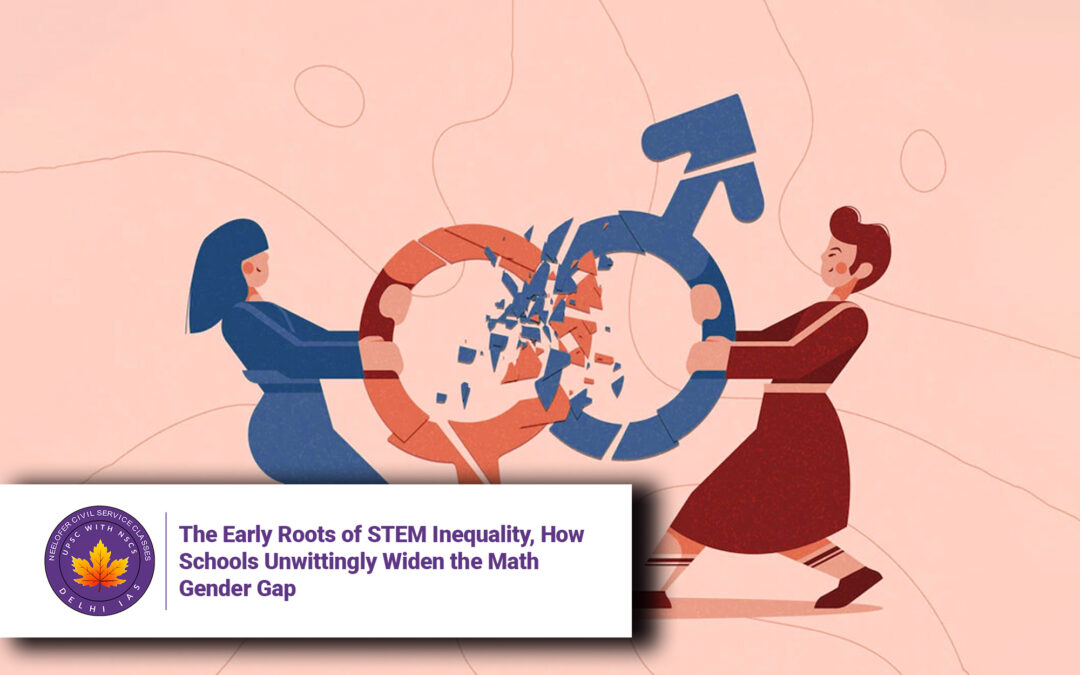
The Early Roots of STEM Inequality, How Schools Unwittingly Widen the Math Gender Gap
Introduction
A groundbreaking 2025 study published in Nature has revealed a troubling pattern: boys and girls enter school with identical mathematical abilities, yet a gender gap emerges within just four months of formal education. Analyzing 2.65 million French children, researchers found this gap persists across income levels, school types, and regions, with boys twice as likely as girls to rank in the top 5% of math performers by second grade. 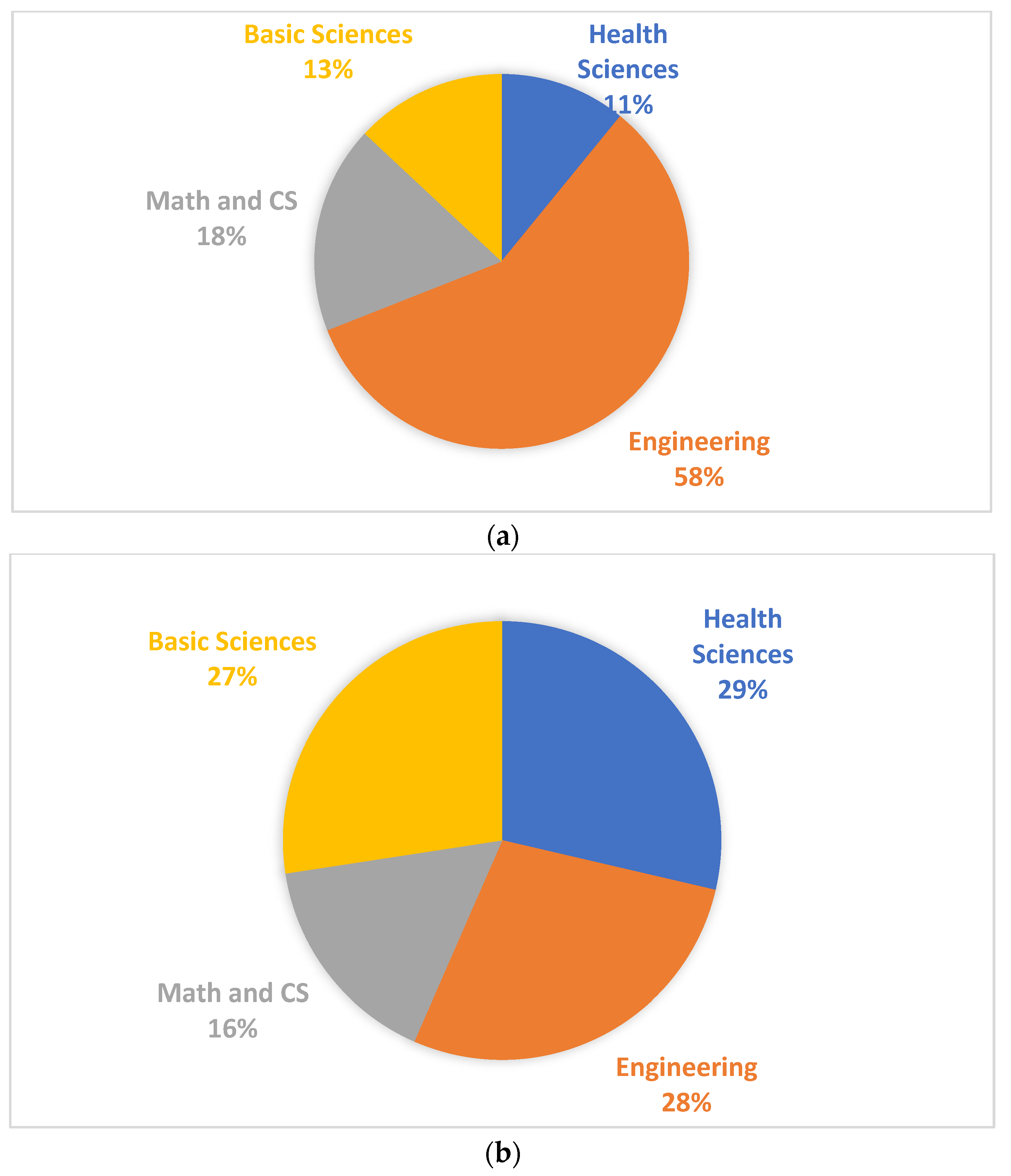
This discovery challenges long-held assumptions about innate gender differences in STEM aptitude. Instead, it points to systemic biases in early education—from teacher attitudes to societal stereotypes—that derail girls’ math potential before they even reach middle school.
1. The Study’s Key Findings: A Data-Driven Reality Check
Core Insights from Nature Study
| Metric | Boys | Girls |
|---|---|---|
| Math Scores at School Entry | 50.1% (mean) | 50.0% (mean) |
| Top 5% Performers (Grade 2) | 6.7% | 3.3% |
| Gap Widening Factor | High-income families (gap 2.5× larger) |
Global Corroboration
-
U.S. (2018): Gender gap appears by 3rd grade (NSF study).
-
Germany (2021): Boys outperform girls in timed math tests by age 8.
2. Why Does the Gap Emerge? Four Systemic Culprits
1. Stereotype Threat in the Classroom
-
Teacher Bias:
-
Teachers call on boys 20% more often in math classes (OECD, 2023).
-
Feedback Differences: Boys praised for “brilliance,” girls for “effort” (Child Development, 2024).
-
-
Curriculum Design:
-
Math problems framed as competitive (e.g., speed drills) disadvantage girls, who face higher anxiety in timed settings.
-
2. Parental and Societal Messaging
-
High-Income Paradox:
-
Gap widens most in science-oriented families, where parents unconsciously steer girls toward humanities.
-
-
Toy Bias:
-
78% of “STEM toys” marketed to boys (LEGO Foundation, 2025).
-
3. Lack of Role Models
-
Textbook Representation:
-
Only 12% of math problems feature female protagonists (UNESCO, 2024).
-
-
Teacher Demographics:
-
France: 82% female primary teachers, but 60% report math anxiety—passed onto students.
-
4. Assessment Flaws
-
Timed Tests:
-
Girls excel in conceptual understanding but lose points under time pressure.
-
-
Narrow Metrics:
-
Focus on speed over creativity sidelines girls’ problem-solving strengths.
-
3. The Lifetime Consequences: From Classroom to Career
Pipeline Leaks in STEM
| Stage | Female Representation | Key Barrier |
|---|---|---|
| High School | 48% (STEM enrollments) | Stereotype threat peaks at 13 |
| University | 32% (Engineering majors) | Lack of mentorship |
| Workforce | 14% (Tech leadership) | “Bro culture” in STEM jobs |
Economic Impact: Gender parity in STEM could boost global GDP by $12 trillion (McKinsey, 2025).
4. Global Solutions: What Works to Close the Gap
1. Teacher Training Overhaul
-
Bias Workshops:
-
Finland’s model: Reduced math gaps by 40% via mandatory anti-bias training.
-
-
Pedagogical Shifts:
-
Japan’s “slow math”: Emphasizes deep understanding over speed.
-
2. Curriculum Reform
-
Gender-Neutral Problems:
-
Replace “sports stats” with real-world applications (e.g., climate modeling).
-
-
Collaborative Learning:
-
Sweden’s group-based math improved girls’ scores by 15%.
-
3. Early Role Model Exposure
-
“STEM Storytime”:
-
UK libraries host female engineers reading to 5–7-year-olds.
-
-
Textbook Revamps:
-
South Korea mandates 50% female scientists in all materials.
-
4. Parental Interventions
-
“Math at Home” Kits:
-
Canada sends gender-neutral math games to preschoolers’ homes.
-
-
Awareness Campaigns:
-
#NotJustForBoys (Australia) challenges STEM toy marketing.
-
5. Assessment Innovation
-
Untimed Tests:
-
California pilot eliminated gender gaps in algebra.
-
-
Portfolio Grading:
-
Showcase creative problem-solving (adopted in Singapore).
-
5. India’s Unique Challenges—And Opportunities
Problem Areas
-
Teacher Shortages: 1.2 million vacant posts (NEP 2020 data).
-
Cultural Stereotypes: 62% parents believe “math is harder for girls” (ASER, 2024).
Success Stories
-
Kerala’s “Little Newton” Program:
-
Girls’ math clubs boosted participation by 35%.
-
-
IIT Mentorship:
-
Female STEM undergrads mentor rural schoolgirls via Zoom.
-
6. A Call to Action: Fixing the First Grade Gap
Policy Recommendations
-
National Teacher Training:
-
Mandate bias audits in all primary math certifications.
-
-
STEM Toy Quotas:
-
Require 50% gender-neutral marketing for educational toys.
-
-
Parental Outreach:
-
Leverage Anganwadi workers to counter stereotypes early.
-
What You Can Do
-
Teachers: Use group work over competitive drills.
-
Parents: Gift building blocks, not dolls (without gender labels).
-
Students: Join girls’ math circles (e.g., Ramanujan Math Clubs).
Conclusion: The 4-Month Window That Shapes Lives
The Nature study proves the math gender gap is made, not born. By acting in first grade—when stereotypes first take root—we can prevent a lifetime of lost potential. As Nobel laureate May-Britt Moser warns, “Telling girls they’re bad at math becomes a self-fulfilling prophecy.”
The solutions are clear. The time to implement them is now.
Key Questions & Answers
-
At what age does the math gender gap start?
-
Within 4 months of formal schooling (age 5–6).
-
-
Why is the gap worse in high-income families?
-
Stronger stereotypes among science-professional parents.
-
-
Which country has successfully reduced the gap?
-
Finland cut it by 40% via teacher training.
-
-
How can Indian schools improve?
-
Adopt Kerala’s girls’ math clubs and untimed tests.
-
-
Do girls really have more math anxiety?
-
Yes, but only in competitive settings—not conceptual learning.
-

