
Navigating a Perilous World, India’s Foreign Policy at a Crossroads
Introduction
In an era of escalating great-power rivalry, regional conflicts, and nuclear brinkmanship, India’s foreign policy faces its most severe test since independence. The recent Israel-Iran conflict, deepening China-Pakistan military integration, and the unpredictable trajectory of U.S. diplomacy under Trump’s second term have exposed the limitations of India’s traditional balancing act. As former National Security Adviser M.K. Narayanan warns, neutrality is no longer a viable strategy in a world where the “N-word” (nuclear escalation) has re-entered global discourse with alarming frequency. 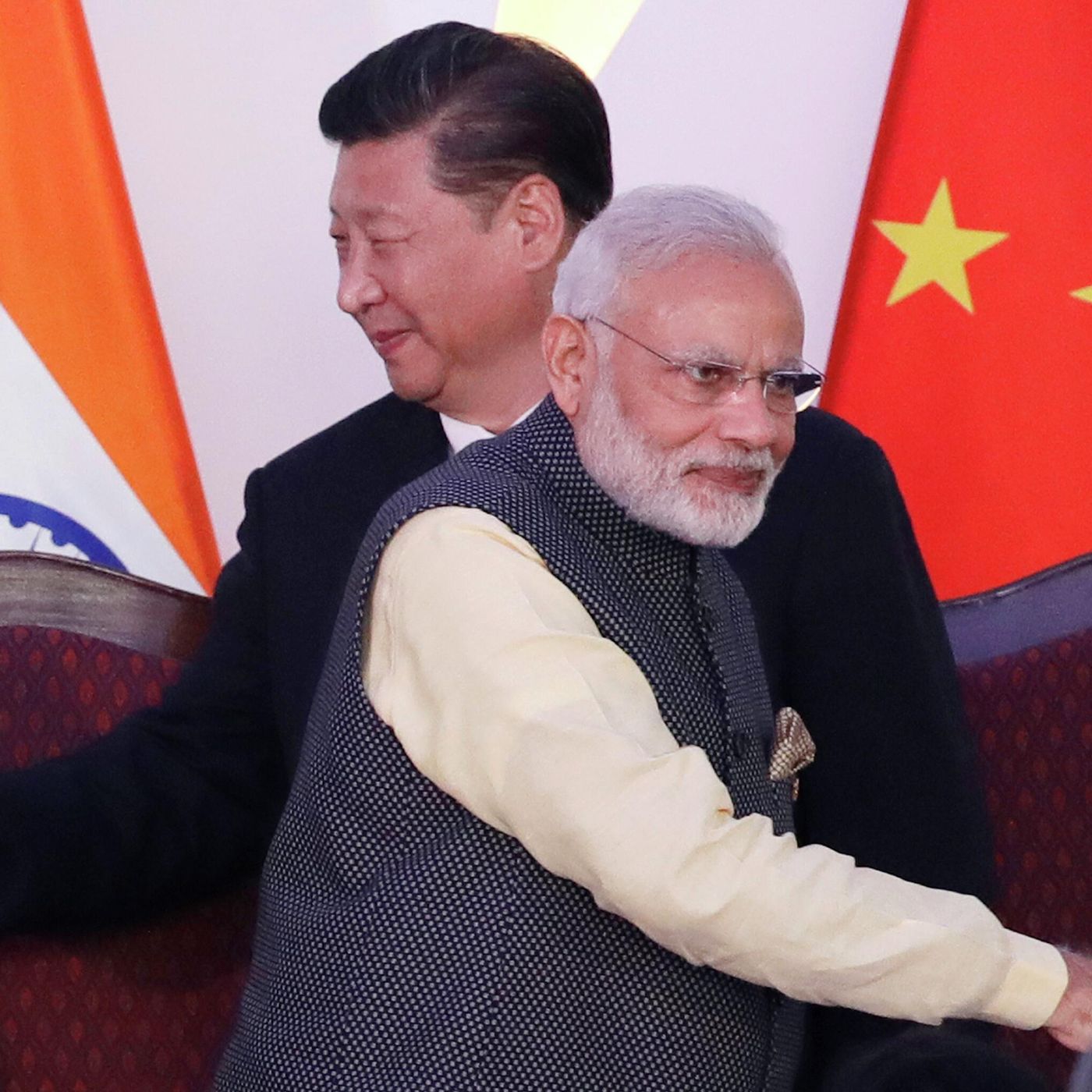
This article examines India’s geopolitical challenges, analyzes strategic missteps, and proposes a roadmap for recalibrating its approach to an increasingly polarized world order.
1. The Illusion of Neutrality: Case Studies of Strategic Drift
The Israel-Iran Quagmire
-
India’s Dilemma: Attempted neutrality between Israel (a growing defense partner) and Iran (a key energy supplier and regional player) has left it marginalized.
-
U.S. Game-Changer: Deployment of GBU-57 “bunker buster” bombs against Iranian nuclear sites marked a paradigm shift:
-
Implication: America’s direct involvement forces India to choose sides.
-
Cost of Inaction: Iran perceives India’s “restraint” calls as tacit support for Israel, damaging trust.
-
The Trump Factor
-
Ceasefire Controversy: Trump’s claim of brokering an India-Pakistan truce (contradicted by India but endorsed by Pakistan’s military leadership) undermines New Delhi’s sovereignty.
-
Symbolic Snub: Modi’s refusal to visit Washington after the G7 summit signals deteriorating ties, while Pakistan’s Field Marshal Munir dines at the White House.
China-Pakistan Nexus: An Existential Threat
-
Military Integration: Joint production of JF-17 fighters, HQ-9 air defense systems, and nuclear-capable Shaheen missiles.
-
Nuclear Asymmetry: Combined China-Pakistan warheads outnumber India 5:1 (China: 400; Pakistan: 165; India: 160).
2. Strategic Blind Spots: Where India Miscalculated
Overestimating Soft Power
-
Global South Leadership: Rhetoric of representing developing nations yielded no dividends during the India-Pakistan conflict.
-
Non-Alignment 2.0: Equidistance between Israel-Iran and U.S.-China is seen as indecision, not principle.
Underestimating Hard Power Gaps
| Capability | India | China-Pakistan |
|---|---|---|
| Nuclear Warheads | 160 | 565+ |
| Hypersonic Missiles | In testing | Operational (DF-17) |
| Defense Budget | $72B (2024) | China: $225B + Pakistan: $10B |
Logistical Shortfalls
-
Ammunition Reserves: Only 10 days of intense warfare (vs. China’s 90-day stockpiles).
-
Cyber Warfare: No dedicated Cyber Command (unlike China’s Strategic Support Force).
3. Lessons from Global Conflicts
Ukraine War: A Playbook for India?
-
Drone Warfare: Ukraine’s use of Turkish Bayraktars highlights the need for India to ramp up indigenous UAV programs.
-
Economic Resilience: Russia survived sanctions via China’s parallel imports—a model India must study given U.S. capriciousness.
China’s “New Era” Doctrine
-
White Paper Insights:
-
Tech Dominance: Focus on AI, quantum computing, and semiconductor self-reliance.
-
Peripheral Strategy: Names India’s border infrastructure as a “threat” to Chinese security.
-
4. A 5-Point Action Plan for India
1. Abandon Strategic Ambiguity
-
Israel-Iran: Publicly back Israel (a proven ally) while engaging Iran via backchannels.
-
U.S.-China: Forge issue-based alliances (e.g., tech with U.S., BRICS+ with Russia).
2. Military Modernization
-
Nuclear Triad: Accelerate SSBN fleet (nuclear submarines) and Agni-VI (12,000km range).
-
AI & Cyber: Create a Defense AI Council modeled on the U.S.’s JAIC.
3. Economic Statecraft
-
Diversify Imports: Reduce reliance on Chinese APIs (pharma) and rare earths.
-
Sanctions Proofing: Build rupee-rouble-yuan trade mechanisms with Russia/Iran.
4. Neighborhood First 2.0
-
Counter BRI: Offer Sri Lanka/Maldives infrastructure deals with no-debt traps.
-
Afghan Outreach: Engage Taliban to prevent Pakistan from monopolizing the region.
5. Diplomatic Offensive
-
UNSC Reform: Lead a Global South coalition demanding permanent seats.
-
Nuclear Narrative: Expose China-Pakistan proliferation at the NSG.
5. The Stakes: Survival in a Tripolar World
Scenario 1: Continued Drift
-
Outcome: India becomes a swing state with diminishing agency, akin to Cold War-era Yugoslavia.
Scenario 2: Strategic Realignment
-
Opportunity: Leverage U.S.-China rivalry to become the Indo-Pacific’s pivotal power.
The Taiwan Precedent
-
Warning: China’s Taiwan tactics (gray-zone warfare, economic coercion) could preview its Kashmir strategy.
Conclusion: Time for Strategic Clarity
India’s foreign policy must evolve from non-alignment to multi-alignment with teeth. As Narayanan underscores, the convergence of nuclear threats, U.S. unpredictability, and China’s encirclement demands a radical rethink. The choice is stark: assert leadership in the new world disorder or risk irrelevance.
Key Questions & Answers
-
Why can’t India remain neutral in the Israel-Iran conflict?
U.S. involvement and bunker-buster strikes have made neutrality synonymous with complicity; Iran expects support India hasn’t provided. -
How strong is the China-Pakistan military axis?
They co-produce jets/missiles, share battle data, and have integrated nuclear command—a de facto alliance against India. -
What’s India’s biggest military weakness?
Ammunition shortages (10-day reserves) and no Cyber Command to counter Chinese/Russian electronic warfare. -
Can India match China’s nuclear arsenal?
Unlikely soon—but submarine-based nukes (Arihant-class) and MIRV tech (Agni-V) can ensure credible deterrence. -
What’s the first step to fix foreign policy?
Create a National Security Strategy document (India lacks one) to replace ad-hoc reactions with long-term planning.

