
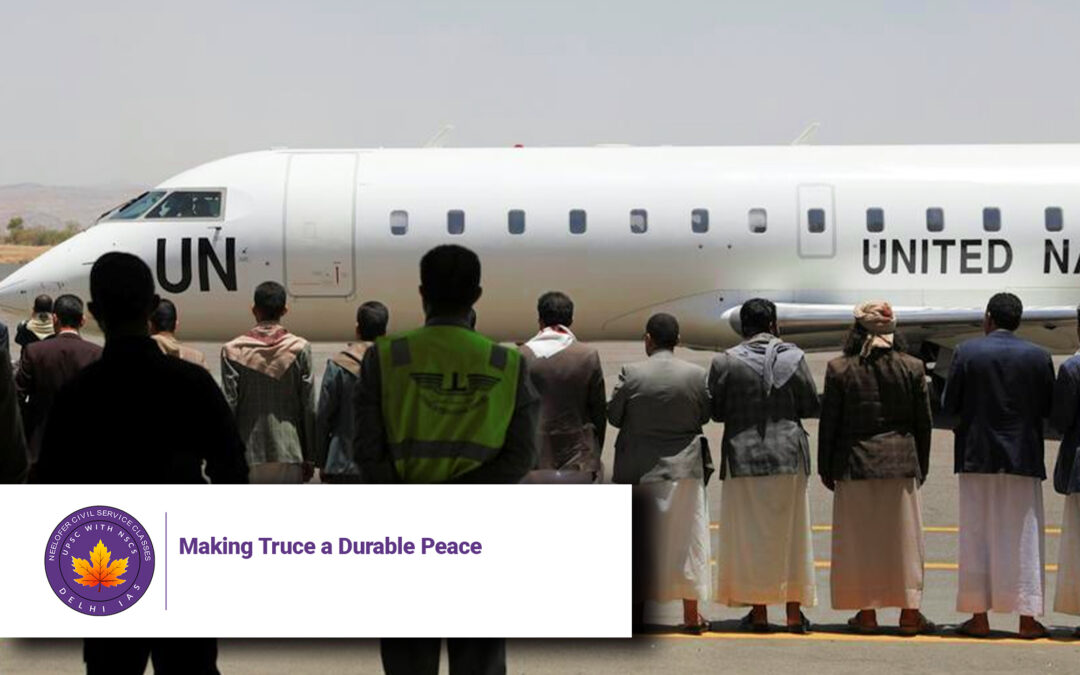
Making Truce a Durable Peace
Tel Aviv and Tehran should trust in diplomacy and negotiate a settlement. War hurts everyone.
Why in News?
The recent truce deal initiated by former U.S. President Donald Trump between Israel and Iran has entered a crucial phase. While early communication hurdles have been overcome, the focus now shifts to whether both nations can build on this agreement to create lasting peace in the region. 
Introduction
Amid long-standing hostility and mutual distrust, Israel and Iran have taken a significant step toward a ceasefire and potential reconciliation. The turning point came when Israel lifted emergency restrictions late Tuesday, and Iran’s President Masoud Pezeshkian suggested a possible return to nuclear talks with the U.S. The current situation reflects a tentative yet hopeful transition from military hostility to diplomatic engagement.
Key Issues and Geopolitical Tensions
Post-Conflict Narratives and Domestic Politics
The truce has sparked contrasting narratives within both countries.
-
The Trump administration and Iran have each claimed success in the conflict.
-
Israel emphasized its successful targeting of Iran’s military and nuclear assets.
-
Iran, however, stressed that U.S. interpretations of the results were inaccurate.
The risk: Different domestic readings of the conflict’s outcome may stall peace efforts and reignite tensions.
Military Escalation and Strategic Challenges
The conflict intensified on June 12 with Israel’s strikes on Iran’s military leaders and scientists. Tehran responded with air warnings but largely avoided escalation.
However, Iran’s internal political tensions, especially from Islamic hardliners, and Israel’s far-right mobilization demanding civil liberties and gender equality, remain serious obstacles.
Challenges and the Way Forward
-
Diplomatic Trust: Both countries must move beyond military measures and invest in sustained diplomacy.
-
Nuclear Clarity: Iran needs to clarify its nuclear position amid regional skepticism.
-
Regional Cooperation: Involvement of neutral nations and regional groups like BRICS could help mediate lasting peace.
-
Gaza Peace Push: The humanitarian crisis in Gaza must be addressed as part of comprehensive peace efforts.
A comprehensive peace in West Asia is only possible if both Israel and Iran are willing to compromise on maximalist positions and embrace mutual security concerns.
Conclusion
The ceasefire, while fragile, is a step toward transforming a volatile region. For durable peace, Tel Aviv and Tehran must work beyond blame games and toward a shared vision for peace. The Gaza situation, where over 56,000 homes were damaged, further underlines the urgency for humanitarian resolution and a regional diplomatic framework. A historic opportunity exists — it must not be wasted.
Q&A Section
1. What triggered the latest round of conflict between Israel and Iran?
It began with Israel’s strikes on Iran’s military leaders and nuclear scientists on June 12, which provoked warnings from Tehran.
2. What is the significance of the truce deal?
The truce has temporarily reduced hostilities and opened the door to possible long-term peace and a return to nuclear diplomacy.
3. Why is translating the truce into lasting peace challenging?
Internal political divisions in both countries, differing views on war outcomes, and unresolved regional tensions make peace fragile.
4. What role could international players like BRICS play?
BRICS can offer neutral mediation and diplomatic frameworks that avoid the polarizations of traditional western alliances.
5. What is the humanitarian situation in Gaza?
Over 56,000 homes have been damaged in Gaza. Aid and political resolution are urgently needed as part of broader regional peace talks.

