

The Hedgewar Mantra, Legacy of Self-Reliance, Patriotism & Social Duty
Why in News?
The centenary of the Rashtriya Swayamsevak Sangh (RSS) coincides with this year’s Vijayadashami, a day that holds great historical significance as it also marks the birth anniversary of Dr. Keshav Baliram Hedgewar—founder of the RSS. His legacy, encapsulated in the “Sangh Mantra”, continues to influence generations of swayamsevaks through a vision rooted in nationalism, discipline, and social responsibility. 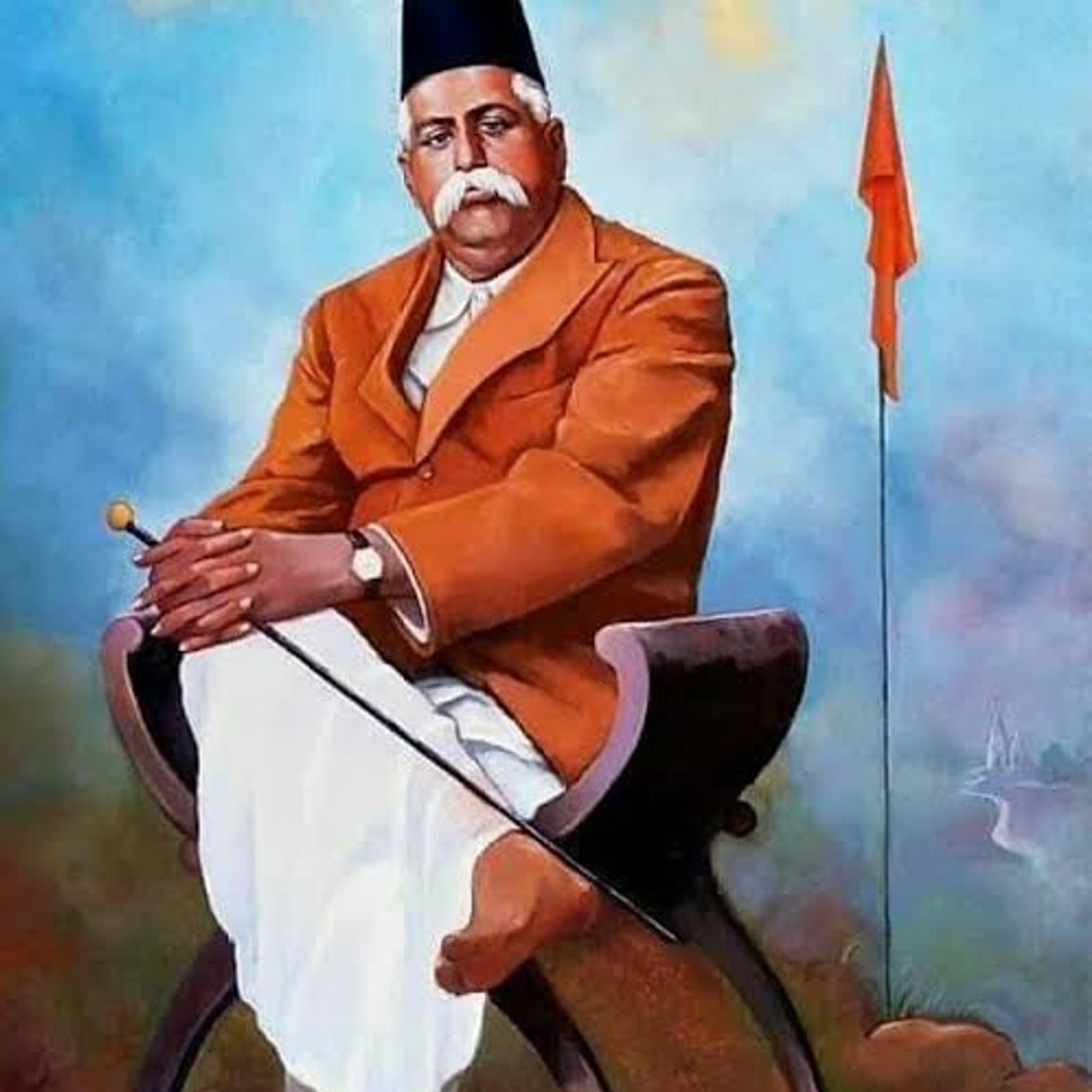
Introduction
Dr. K.B. Hedgewar was not just a freedom fighter but also a visionary social reformer. Born in 1889 in Nagpur, he actively resisted British colonial rule from a young age and advocated swadeshi, self-reliance, and civic duty. He founded the RSS on Vijayadashami in 1925, envisioning it as a platform to instill patriotism, discipline, and unity among Indian youth.
Key Issues Highlighted
-
Founding Vision of RSS
-
Hedgewar founded the RSS to unite and awaken Indian society, especially Hindus, through discipline and service.
-
The focus was on building a well-organized, physically and morally strong society.
-
-
Advocacy for Self-Reliance (Swabodh)
-
Hedgewar emphasized economic resilience and self-dependence, warning against over-reliance on external powers and goods.
-
He promoted the use of swadeshi products and sought to address colonial exploitation through local empowerment.
-
-
Strengthening Civic Responsibility (Nagari Shishtachar)
-
Hedgewar believed that civic sense and social behavior must be nurtured alongside patriotism.
-
He stressed that discipline, organization, and duty must be demonstrated through real-life applications, not mere slogans.
-
-
Family Values (Kutumb Prabodhan)
-
Recognizing the impact of modernization, he addressed challenges facing Indian families.
-
He advocated for strengthening moral and cultural foundations within households to ensure social stability.
-
-
RSS Today: From Ideology to Practice
-
Over 89,000 service projects are run by the RSS across the country.
-
These range from disaster relief to education and health, emphasizing the practical implementation of Hedgewar’s vision.
-
Five Key Observations
-
Hedgewar’s leadership combined patriotism with social duty, making him unique among freedom fighters.
-
RSS began as a small gathering for drills and now runs tens of thousands of national service initiatives.
-
His early expulsion from school for reciting “Vande Mataram” shaped his commitment to national freedom.
-
Hedgewar’s critique of societal disunity laid the foundation for a socially cohesive movement.
-
His legacy remains strong even 100 years later, guiding the RSS’s vision and work in modern India.
Challenges and the Way Forward
-
Balancing Tradition and Modernity: While the RSS is rooted in traditional values, adapting to modern, urban issues is essential for continued relevance.
-
Inclusivity in Social Outreach: Expanding its reach beyond its core demographic will help strengthen national unity further.
-
Emphasizing Education & Innovation: Beyond moral and physical discipline, RSS initiatives can play a greater role in technological and skill development.
-
Transparency and Dialogue: Engaging with different societal groups through open dialogue can strengthen its public perception.
-
Scaling Civic Duty Models: RSS-inspired civic values should be institutionalized in schools and colleges to promote participative citizenship.
Conclusion
The centenary of the RSS and the enduring relevance of Dr. Hedgewar’s vision serve as reminders of how patriotism, self-reliance, and civic discipline can shape a nation. The RSS’s transformation from a volunteer body into a large-scale social movement illustrates how an ideological foundation, when implemented with discipline, can create deep and lasting social impact.
Q&A Section
Q1. Who was Dr. Keshav Baliram Hedgewar?
He was the founder of the Rashtriya Swayamsevak Sangh (RSS), born in 1889, and a key figure in India’s freedom struggle, known for promoting nationalism, discipline, and social service.
Q2. When and why was the RSS founded?
RSS was founded on Vijayadashami, September 27, 1925, to unite Indian society through patriotism, discipline, and a focus on social responsibility.
Q3. What is ‘Swabodh’ and why is it significant?
‘Swabodh’ refers to self-reliance. Hedgewar emphasized it to reduce dependence on foreign goods and promote national economic strength.
Q4. How does RSS contribute to society today?
It runs over 89,000 social projects including health, education, disaster relief, and rural development, applying Hedgewar’s ideals to modern needs.
Q5. What are ‘Nagari Shishtachar’ and ‘Kutumb Prabodhan’?
‘Nagari Shishtachar’ refers to civic sense and duty, while ‘Kutumb Prabodhan’ refers to strengthening family values—both are essential elements of Hedgewar’s social philosophy.
