
India Targets Domestic Software Design to Complete Electronics Manufacturing Cycle
Why in News?
Union Minister for Electronics and IT, Ashwini Vaishnaw, has announced that the government’s next big initiative is to focus on designing software domestically, marking a significant shift from hardware to full electronics ecosystem integration. This move is intended to transform India into a complete electronics design and manufacturing hub. 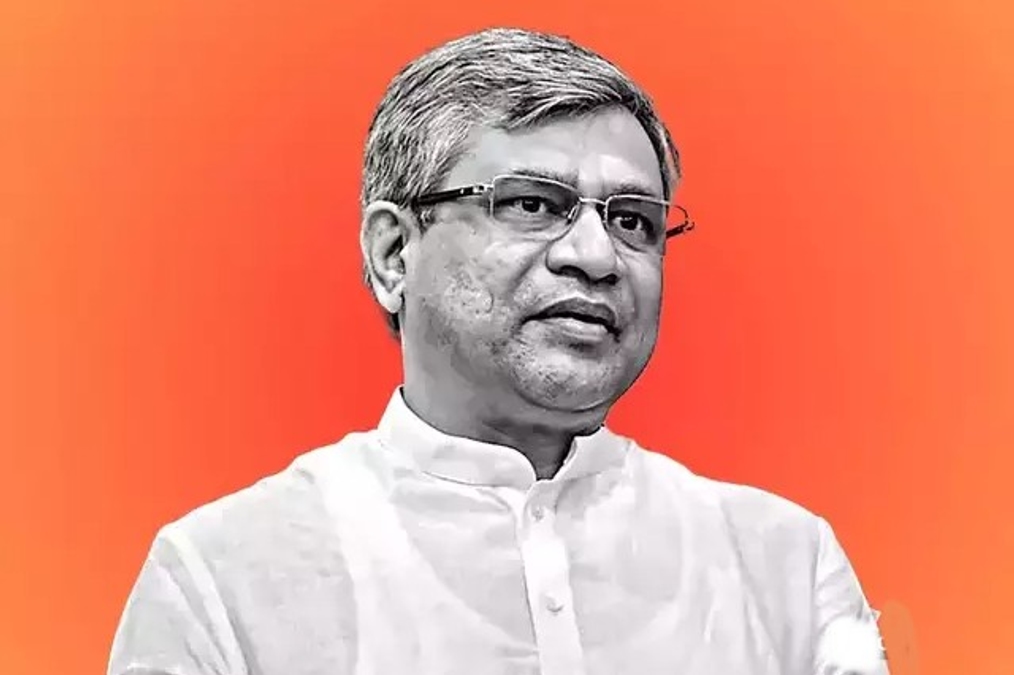
Introduction
With the hardware and component manufacturing cycle near completion, India is now setting its sights on developing the software design ecosystem. This integrated strategy is expected to unlock the entire electronics value chain, from raw materials to final software-driven products. The move aligns with India’s broader vision of achieving self-reliance in technology (Atmanirbhar Bharat).
Key Highlights from the Article
-
Full Electronics Value Chain Development
-
The shift towards domestic software design will complete the electronics value chain.
-
It includes raw materials, components, hardware, and software—creating an end-to-end production ecosystem within India.
-
-
Government’s Strategy: Backward & Forward Integration
-
According to Vaishnaw, full backward-forward integration will occur once domestic software design begins.
-
This includes everything from PCBs, lithium-ion battery cells, camera and display sub-assemblies, to the software that powers them.
-
-
Evolution of India’s Electronics Sector
-
India’s progress has moved sequentially—from smartphones to IT hardware, semiconductors, and electronic components.
-
With the new focus on software design, India’s electronics manufacturing journey reaches a new level of technological independence.
-
-
Incentive Scheme Worth ₹22,919 Crore
-
The government has introduced a ₹22,919 crore electronics incentive scheme, approved by the Union Cabinet.
-
It targets the domestic production of key electronic components and aims to boost job creation and innovation.
-
-
Impact and Future Prospects
-
The scheme is expected to:
-
Generate electronic products worth ₹4.56 lakh crore
-
Create 91,600 jobs
-
Attract investments worth ₹59,350 crore over six years
-
-
The three main incentives include:
-
Employment-linked benefits
-
Capital expenditure support
-
Turnover-based incentives
-
-
Five Key Observations
-
India is now focusing on the software layer of the electronics ecosystem to achieve self-sufficiency.
-
The Union Cabinet’s incentive scheme shows serious government backing for domestic innovation.
-
IITs and industry partnerships will play a central role in R&D and implementation.
-
Integration of design and manufacturing will reduce reliance on imports.
-
The government is leveraging its hardware manufacturing base to drive forward its digital economy goals.
Challenges and the Way Forward
-
Skilled Workforce Development: Software design requires a highly skilled talent pool, and institutions like IITs must lead capacity-building efforts.
-
IP & Innovation Infrastructure: India needs to strengthen its IP regime and foster an innovation culture.
-
Speedy Implementation: The incentives must be efficiently disbursed and monitored to avoid delays or misuse.
-
Public-Private Collaboration: Deeper partnerships between academia, startups, and large firms are critical.
-
Global Competitiveness: The initiative must not only serve domestic needs but also aim at export competitiveness in software design.
Conclusion
India’s push towards domestic software design marks a bold next step in becoming a complete electronics powerhouse. With strategic investments, innovation support, and skilled workforce development, this move could significantly enhance India’s global technology stature. However, success will depend on execution, ecosystem collaboration, and sustained policy support.
Q&A Section
Q1. What is India’s next target in electronics manufacturing according to Ashwini Vaishnaw?
The next target is to focus on designing software in India, completing the entire electronics value chain domestically.
Q2. What is the significance of software design in this initiative?
Software design is essential as it powers the hardware. Its inclusion ensures full integration of the electronics manufacturing process, from raw materials to final products.
Q3. What is the total value of the new incentive scheme announced?
The incentive scheme is worth ₹22,919 crore and is intended to boost the domestic production of key components.
Q4. How many jobs is the scheme expected to generate?
The initiative is expected to create 91,600 jobs over its six-year tenure.
Q5. What types of incentives does the scheme offer?
The scheme offers three primary incentives:
-
Employment-linked benefits
-
Capital expenditure support
-
Turnover-based incentives

