
Innocent Till Guilty, Justice Yashwant Varma Case Raises Larger Questions on Judicial Due Process
Why in News?
The case involving Justice Yashwant Varma has stirred intense debate over judicial integrity, transparency, and the constitutional principles of fair trial. As media attention and judicial actions converge, the fundamental notion of “innocent until proven guilty” is being tested, and broader institutional concerns have come to the fore. 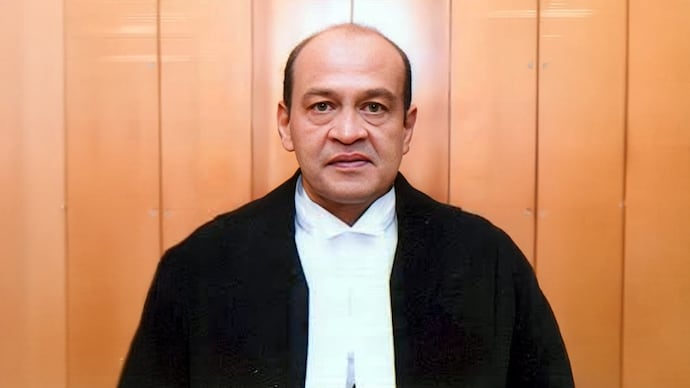
Introduction
While the allegations of corruption against Justice Varma are serious, the unfolding events reflect the fragility of judicial dignity in the face of incomplete investigations and speculative narratives. The rule of law demands that truth-seeking must be balanced with due process, dignity, and fair treatment, especially when constitutional courts are involved.
Key Issues Highlighted in the Editorial
-
Justice Varma’s Denial and Initial Response
-
In a letter to the Chief Justice of the Delhi High Court, Justice Varma denied knowledge of the cash found in his official residence.
-
He stated the room in question was a store room accessible to staff, and disowned ownership of the money, suggesting a possible conspiracy.
-
-
Due Process Concerns
-
Legal experts emphasize the presumption of innocence, arguing that media trials, pre-emptive punishment, and public shaming without clear findings undermine individual rights.
-
The editorial cites landmark cases like Sahara India (2012) and PUCL (2023) to underline how fair process must be preserved in judicial inquiries.
-
-
Procedural Lapses in the Inquiry
-
The editorial questions the in-house procedure, including the withdrawal of judicial work from Justice Varma even before any finding of guilt.
-
The In-House Inquiry Procedure (1999) clearly states that such action should follow—not precede—an investigation outcome.
-
-
Collegium and Structural Reforms
-
The case reignites the debate over the appointment of judges and judicial accountability.
-
It critiques the current collegium system and questions whether it adequately shields members from malice, politics, or executive overreach.
-
Doubts are raised about whether the inquiry will fulfill its intended goal of protecting judicial reputation without inviting institutional damage.
-
-
NJAC and the Path Forward
-
While the NJAC (National Judicial Appointments Commission) was struck down to preserve judicial independence, the experience of cases like Justice Varma’s highlights the need to revisit the structure and safeguards in judicial accountability mechanisms.
-
The editorial calls for clarity, transparency, and reform in both appointment and disciplinary processes to restore public faith.
-
Five Key Observations
-
Allegations must not overshadow the basic principle of innocence until proven guilty.
-
Judicial dignity and fair procedure are inseparable in a constitutional democracy.
-
Procedural inconsistencies, such as removing judicial duties before findings, weaken institutional credibility.
-
The Collegium’s opacity continues to attract critique, especially in disciplinary cases.
-
A balanced judicial reform debate, including reconsideration of NJAC or alternatives, is necessary to ensure accountability without compromising independence.
Challenges and the Way Forward
-
Restore Fair Procedure: Adherence to in-house guidelines and constitutional safeguards must be ensured before punitive or administrative steps.
-
Judicial Confidence: The system must avoid public spectacle and protect the dignity of the judge unless guilt is proven.
-
Structural Reforms: Renewed discussions on judicial appointments, inquiry transparency, and accountability processes are required.
-
Legal Clarity: Clear precedents and protocols should govern high-profile allegations involving sitting judges.
-
Institutional Balance: A new consensus is needed to safeguard the judiciary’s reputation while also enabling ethical oversight.
Conclusion
The Justice Varma case is not just about one judge—it’s a litmus test for India’s judicial system. Upholding due process, ensuring independent inquiry, and preserving public trust are now more vital than ever. Any step taken without balance could tip the scales of justice itself.
Q&A Section
Q1. What are the allegations against Justice Yashwant Varma?
Cash was reportedly found in a room linked to Justice Varma’s official residence. He denied ownership and claimed the room was used as storage and accessible to staff.
Q2. Why has the inquiry process been criticized?
The judge’s judicial work was withdrawn before any formal finding of guilt, which some argue violates the principles of due process under the in-house procedure.
Q3. What constitutional principles are being debated?
The central principle is “innocent until proven guilty”, along with the right to dignity, fair inquiry, and absence of prejudgment—cornerstones of any democratic justice system.
Q4. What is the concern with the collegium system?
Critics argue it lacks transparency and accountability, especially in cases involving misconduct or allegations against sitting judges.
Q5. How is the NJAC debate relevant to this case?
The NJAC aimed to reform judicial appointments and inquiries, but it was struck down in favor of judicial independence. This case shows a need to reconsider mechanisms for maintaining both independence and accountability.

