
Trump with the Trigger, A Wake-Up Call for India’s Economic Reform
Why in News?
With Donald Trump threatening new tariffs and possibly reigniting global trade tensions, this moment could serve as a wake-up call for India. Amid global economic shifts and growing protectionism, India must re-evaluate its position and urgently advance long-overdue economic reforms. 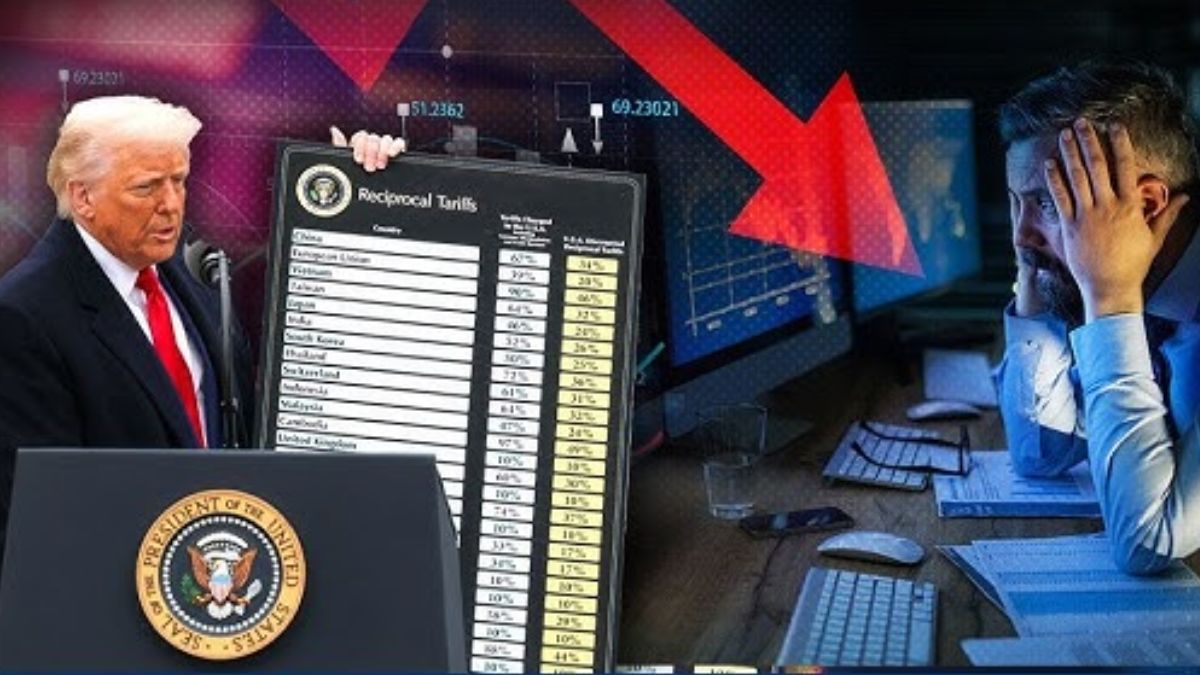)
Introduction
Donald Trump’s return to political spotlight and his characteristic “everyone robbed us” rhetoric has stirred waves across the world—from Europe to Mexico to Canada. Now, India is once again in his crosshairs, with Trump’s focus on trade imbalances and tariff retaliation. But rather than reacting defensively, India could use this global pressure to push necessary internal reforms and shed its self-congratulatory complacency.
Key Issues
1. Complacency in Economic Management
India has long relied on headline-management: catchy slogans like “fastest-growing economy” or “third-largest economy” have often masked deeper structural problems. Yet behind these phrases lies a reality of unreformed economic sectors, uncompetitive industries, and a protectionist mindset that lingers from the license-permit-raj era.
2. Missed Reform Moments
India’s major reform waves came in response to crises:
-
1991 economic crisis led to liberalization under Narasimha Rao and Manmohan Singh.
-
1998 Pokhran nuclear tests triggered sanctions but eventually sparked reforms.
-
Now, Trump’s threat may be the next big nudge India needs.
But the post-reform momentum has slowed. Privatization, PSU disinvestment, and labor market reforms have stagnated. Despite promises, big ticket reforms remain unfinished.
3. The Modi Government’s Reform Paradox
While Modi’s era has brought tax reforms like GST and corporate tax cuts, India Inc. is still not investing. A new generation of politically-connected businessmen and oligarchs benefits from a system of selective capitalism, weakening genuine entrepreneurship.
Alternative Approaches (Historical Reform Lessons)
The post-1991 reforms were possible because of bold political leadership and crisis-driven urgency. Reformists like Manmohan Singh, P.V. Narasimha Rao, and even Vajpayee acted decisively under pressure.
The private sector, once resistant, was pulled into the reform journey. Leaders like Rahul Bajaj and others supported reforms only after political leadership took the first step.
India must now rediscover that reformist zeal, even without a crisis.
Challenges and the Way Forward
1. Structural Bottlenecks
-
PSU dominance in strategic sectors
-
Overregulation and bureaucratic control
-
Weak private investment and job creation
2. The Way Forward
-
Reignite privatization and disinvestment
-
Empower competitive capitalism over cronyism
-
Simplify regulatory hurdles to attract domestic and foreign investment
-
Encourage innovation and allow businesses to fail or succeed freely
Trump’s trade threats may feel adversarial, but they also serve as a trigger India desperately needs—to shake off inertia and implement genuine structural reforms.
Conclusion
Rather than viewing Donald Trump’s tariff threats as external pressure, India should treat them as an opportunity—a moment of reckoning. Just like the reforms of 1991 and 1998 that were born from crisis, this global jolt could push India to confront the uncomfortable truths and build a resilient, competitive economy.
Q&A Section
Q1. Why is Donald Trump’s tariff threat significant for India?
Because it can serve as a wake-up call, forcing India to move beyond slogans and focus on real structural reforms to boost competitiveness and economic independence.
Q2. What past events triggered major economic reforms in India?
The 1991 balance of payments crisis and the 1998 nuclear tests both prompted bold reform waves under Prime Ministers Narasimha Rao and Vajpayee respectively.
Q3. What are the main obstacles to reform today?
Complacency, lack of political urgency, dominance of public sector enterprises, and an ecosystem favoring oligarchs over innovation.
Q4. Has India implemented any reforms under Modi’s leadership?
Yes, including GST, corporate tax cuts, and digital governance initiatives. However, key reforms like PSU privatization and labor market liberalization remain slow or stalled.
Q5. What is needed for India to become a globally competitive economy?
India must promote genuine capitalism, reduce state interference, encourage innovation, simplify regulations, and attract both domestic and foreign investments.

