
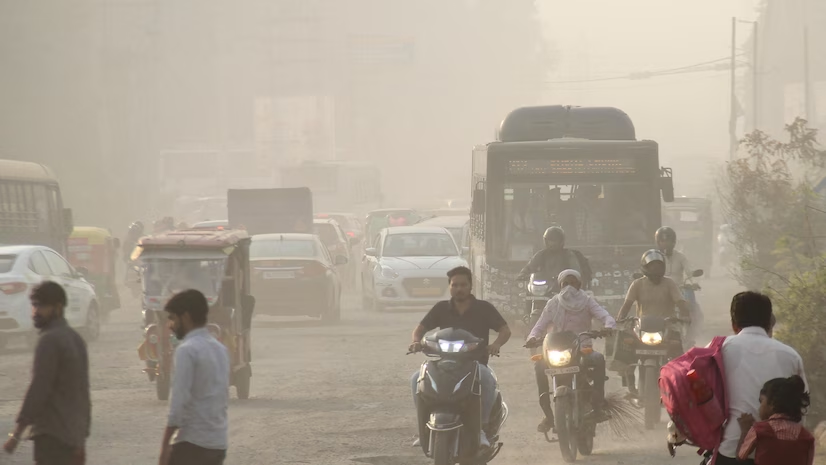
India’s Air Pollution Crisis, Urgent Action Needed for a Cleaner Future
Why in News?
India’s air pollution crisis is a persistent, year-round problem, not just a seasonal inconvenience. With hospitals overcrowded due to respiratory diseases, schools shutting down, and cities ranking high in global pollution indexes, urgent action is required. While initiatives like the National Clean Air Programme (NCAP) and the Pradhan Mantri Ujjwala Yojana (PMUY) exist, implementation remains fragmented and slow-moving. The challenge is not just technical—it is a structural issue shaped by governance gaps, economic disparity, and behavioral norms. 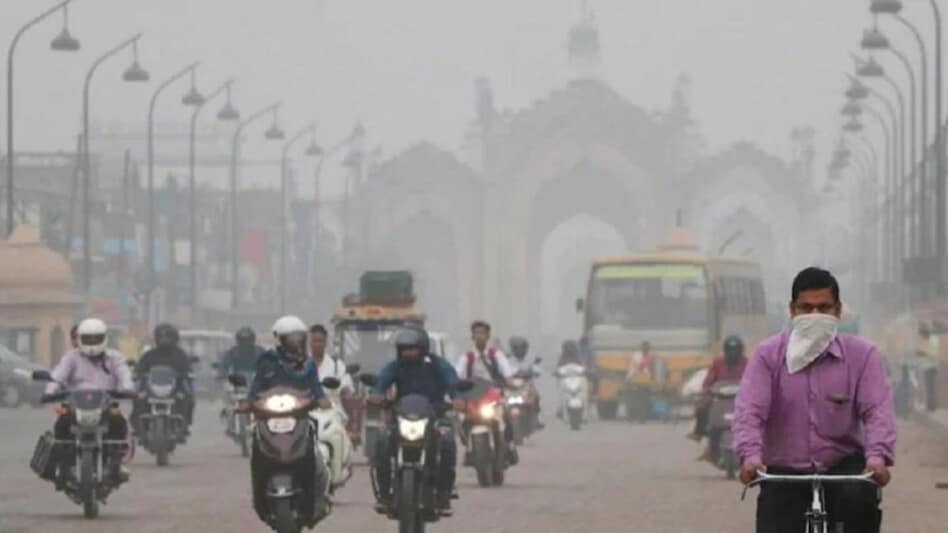
Key Issues
-
Understanding Air Pollution:
India often treats air pollution as a technical problem, when in reality, it is a structural and governance issue influenced by demographics, economic conditions, and policy misalignment. -
Lack of Ground-Level Data:
Local governments lack access to real-time, high-resolution data about key pollution sources, including:-
Where waste is burned
-
Which households rely on solid fuels
-
Active construction zones
-
Roads with high traffic congestion
-
-
Misplaced Priorities in Policies:
-
Much focus is given to EV manufacturing and public transport, while broader structural reforms in industrial emissions, construction dust, and biomass burning are neglected.
-
Without strong policy alignment and faster implementation, real change may remain out of reach.
-
Proposed Solutions
-
Empowering Local Governments:
-
Municipal officials, planners, and engineers need more data-driven tools to track and mitigate pollution.
-
Realignment of air quality monitoring systems to provide targeted solutions rather than broad, high-tech urban strategies.
-
-
Targeting Major Pollution Sources:
-
Shifting the focus towards localized emission metrics, such as waste burning, vehicle use, and construction zones, can strengthen accountability.
-
-
Avoiding the “Western Trap”:
-
India must not fall into the trap of relying solely on expensive digital solutions without addressing fundamental pollution sources.
-
Instead of over-investing in tech-driven urban air monitoring, resources should be redirected to reduce biomass burning, control emissions, and strengthen governance at the local level.
-
What Can India Learn from Global Examples?
-
California: Focused on reducing pollution at its source, especially in low-income neighborhoods.
-
London: Banned coal-powered heating and succeeded in reducing smog.
-
China: Shut down coal plants, restricted industrial emissions, and enforced strict air quality rules.
-
Lessons for India:
-
Strict regulation of industrial and vehicular emissions.
-
Investment in local governance and pollution data monitoring.
-
Public awareness campaigns to change individual behavior.
-
Conclusion
India’s clean air future will not be determined by dashboards or technology alone. It requires a collective effort—by people, policies, and partnerships. Stronger policy execution, better data transparency, and local-level intervention are key to tackling one of India’s biggest public health threats. Cleaning the air is not just a tech problem, it’s a governance challenge that demands immediate action.
Q&A Section
Q1: What makes India’s air pollution crisis different from seasonal issues?
A: Unlike seasonal smog, India’s air pollution is a year-round problem driven by structural issues like poor governance, economic disparity, and policy misalignment.
Q2: Why is the current approach to tackling air pollution insufficient?
-
Overreliance on tech-driven monitoring rather than addressing core pollution sources.
-
Policies focus on electric vehicles and urban air tracking, while major sources like industrial emissions, waste burning, and construction dust remain unchecked.
-
Slow and fragmented implementation of national policies.
Q3: What role does governance play in tackling air pollution?
-
Local governments need real-time, high-resolution data to track where pollution is coming from.
-
Policies should align with ground realities rather than being driven by elite urban tech solutions.
Q4: What can India learn from global case studies?
-
California focused on reducing pollution at the source rather than over-monitoring air quality.
-
China shut down coal plants and enforced industrial pollution controls.
-
London banned coal-powered heating to control smog.
-
India should focus on a combination of regulation, technology, and behavioral change.
Q5: What immediate actions can help reduce pollution in India?
-
Stronger enforcement of pollution norms in construction and industries.
-
Better waste management to prevent open burning.
-
Public campaigns to promote cleaner fuel alternatives in households.
-
Strict vehicle emission standards and promotion of public transport.
