
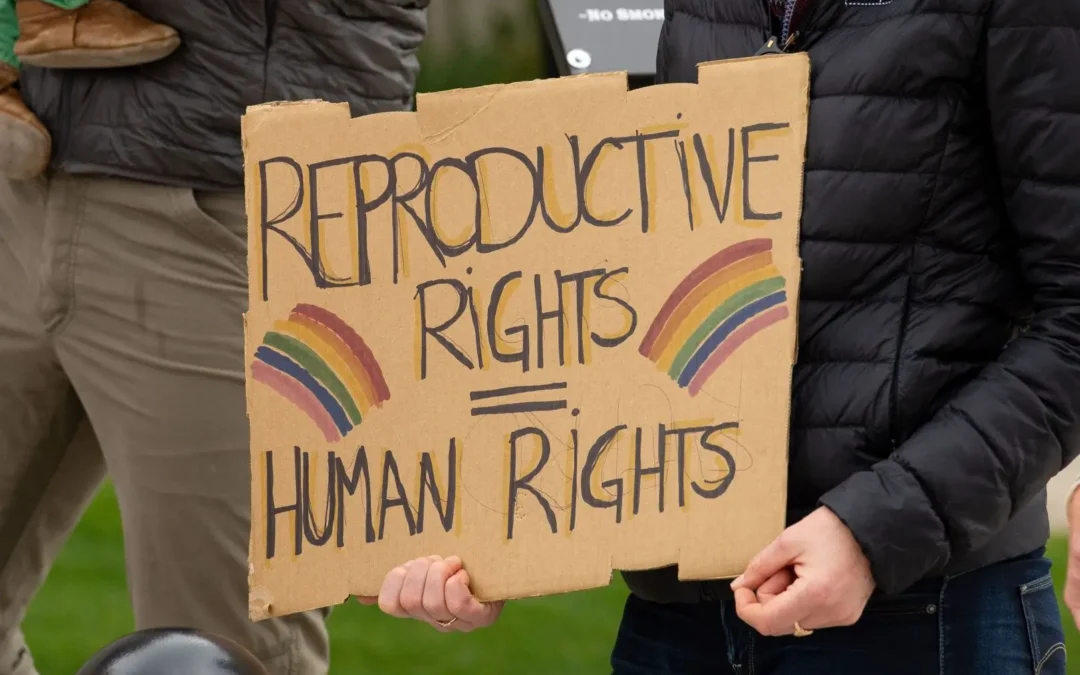
The Global Debate on Reproductive Rights, Pro Natalism, and Climate Concerns
Why in News?
Recent political developments in the U.S., including Elon Musk’s pro-natalist stance and Donald Trump’s potential anti-abortion policies under “Project 2025,” have reignited the global debate on reproductive rights, demographic decline, and climate change. This discourse highlights the tension between economic growth narratives, patriarchal control over women’s bodies, and the urgent need for a human rights-based approach to sustainability. 
Introduction
The intersection of reproductive rights, pro-natalist policies, and climate change has become a flashpoint in global politics. While conservative leaders like Trump and Musk advocate for higher birth rates to counter “demographic decline,” feminists and climate activists warn against coercive pro-natalism, linking unchecked population growth to ecological crises. The U.S. is poised to reinstate the Mexico City Policy (Global Gag Rule), threatening women’s autonomy worldwide. Meanwhile, economists challenge the myth that perpetual population growth is essential for prosperity.
Key Issues
1. The Rise of Pro-Natalism in U.S. Politics
- Trump’s Agenda: Project 2025 seeks to expand anti-abortion policies, including a potential nationwide ban, echoing the overturning of Roe v. Wade.
- Musk’s Influence: The tech billionaire frames declining birth rates as a civilizational risk, dismissing climate concerns. His public appearances with family are seen as endorsing pro-natalist values.
- Rhetoric and Backlash: VP nominee JD Vance’s derogatory “childless cat ladies” remark toward Kamala Harris underscores the GOP’s patriarchal undertones.
2. Global Pro-Natalist Trends
- Restrictive Policies: 30% of nations, including Hungary, Poland, and Iran, enforce pro-natalist measures, often curbing abortion access and family planning.
- Toxic Nationalism: Policies instrumentalize women’s bodies to serve xenophobic agendas (e.g., the “great replacement theory”).
3. Climate and Demographic Myths
- Ponzi Demography Debunked: Economists like Joseph Stiglitz argue GDP-centric growth ignores ecological limits. Smaller populations reduce environmental strain.
- Ageing Society Benefits: Studies show older populations are not economic burdens; automation and technology can offset labor shortages.
4. Feminist and Climate Perspectives
- Bodily Autonomy: Feminists condemn pro-natalism as patriarchal control, stressing the right to choose.
- Ecological Rights: The UN’s recognition of a “healthy environment” as a human right (2022) clashes with growth-obsessed policies.
Impact
- Women’s Rights at Risk: Global gag rules and abortion bans endanger health and autonomy, especially in developing nations.
- Climate Inaction: Pro-natalist rhetoric distracts from sustainable solutions, exacerbating resource depletion.
- Economic Polarization: Growth models favoring population expansion deepen inequality and ecological harm.
Proposed Solutions
- Human Rights-Based Economy: Prioritize reproductive choice, gender equity, and ecological sustainability over growth metrics.
- Policy Reforms: Separate demographic goals from coercive measures; expand access to family planning.
- Shift Economic Paradigms: Adopt well-being indicators (e.g., quality of life) over GDP, as advocated by Amartya Sen.
Recent Developments
- U.S. Elections: Trump’s potential return raises fears of expanded anti-abortion policies.
- UN Advocacy: 161 nations now recognize the right to a sustainable environment, challenging holdouts like the U.S. and Russia.
Conclusion
The pro-natalist wave, fueled by conservative politics and economic anxieties, threatens to roll back decades of progress in women’s rights and climate action. A just future demands policies that respect reproductive autonomy, reject coercive demography, and align economic goals with planetary boundaries. As author Laura Carroll urges, society must question pro-natalist dogma to ensure every child is born into a world capable of sustaining them.
Q&A Section
Q: What is pro-natalism?
A: Policies encouraging higher birth rates, often tied to nationalist or economic agendas, sometimes at the expense of reproductive rights.
Q: How does climate change intersect with this debate?
A: Unlimited population growth strains resources; climate advocates emphasize smaller families to reduce ecological footprints.
Q: What is the Mexico City Policy?
A: A U.S. rule denying funding to NGOs offering abortion services abroad, likely to expand under Trump.
Q: Are ageing populations an economic threat?
A: No—studies show automation and productivity gains can offset labor shortages, while smaller populations benefit the environment.
— Adapted from commentary by the former DG of Doordarshan and AIR
