
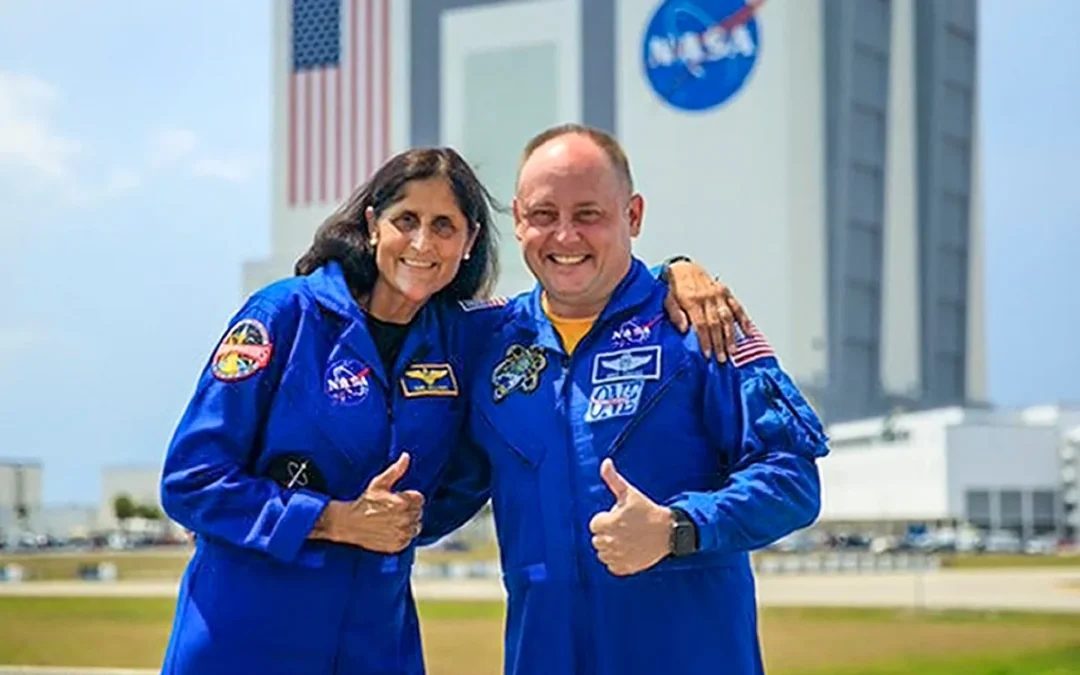
Williams and Barry Wilmore Return Marks a New Chapter in Space Exploration
Why in News?
Astronauts Sunita Williams and Barry “Butch” Wilmore have successfully returned to Earth after an unexpectedly prolonged stay in space. Their return has sparked discussions on the physical and psychological challenges astronauts face during extended space missions. 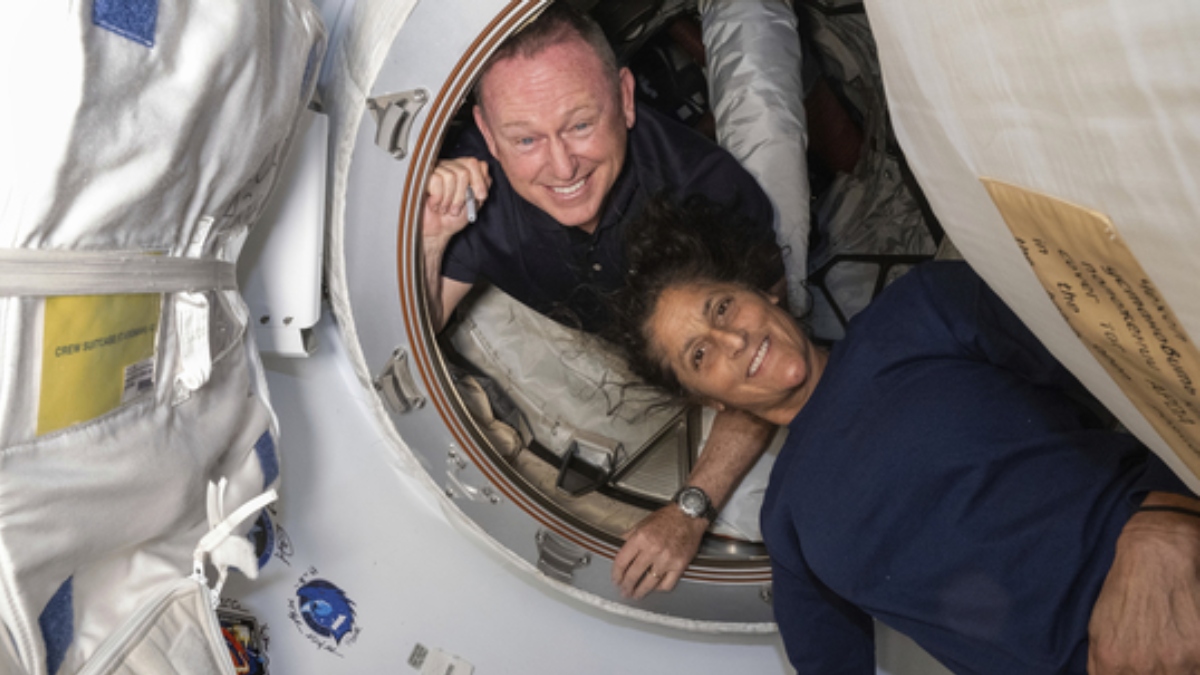
Introduction
Space travel is an extraordinary feat, but it comes with significant risks. The recent return of Williams and Wilmore from the International Space Station (ISS) highlights the physical and mental strains of long-duration space missions. Originally scheduled for a short trip, their mission was extended to nine months due to unforeseen circumstances, echoing themes from the famous sci-fi movie The Martian.
Key Issues
Health Risks in Microgravity
-
Bone and Muscle Deterioration: The absence of gravity causes bones and muscles to weaken since they do not bear weight as they do on Earth.
-
Circulatory Changes: Blood and fluids accumulate in the upper body, leading to swelling, increased intracranial pressure, and vision problems.
-
Radiation Exposure: Astronauts outside Earth’s protective atmosphere are exposed to high-energy cosmic rays, increasing the risk of cancer and other health complications.
Psychological Challenges
-
Isolation and Stress: Spending months in a confined space away from family and nature can have psychological effects, including anxiety and depression.
-
“Overview Effect”: Many astronauts experience a profound emotional shift when viewing Earth from space, strengthening their connection to humanity but also amplifying feelings of detachment upon return.
Impact on Vision and Mobility
-
Fluid buildup in the head can distort the shape of astronauts’ eyeballs, leading to vision impairment.
-
Returning to Earth’s gravity after months in space causes difficulty in walking and balance issues.
Impact on Space Exploration
Advancements in Space Medicine
-
Scientists continue to study the long-term effects of space travel to prepare for future missions to Mars and beyond.
-
Protective measures, such as improved shielding against radiation and enhanced exercise routines, are being developed to mitigate health risks.
Future of Space Missions
-
As space agencies plan for extended missions to the Moon and Mars, the challenges faced by Williams and Wilmore serve as critical lessons for improving astronaut safety.
-
NASA and other space organizations are working on solutions to counteract the physiological and psychological effects of prolonged space travel.
Conclusion
The return of Sunita Williams and Barry Wilmore marks not just a successful mission but also a significant moment in the study of human endurance in space. Their experience will help shape the future of deep-space exploration, ensuring that astronauts are better prepared for longer journeys beyond Earth.
Q&A Section
Q: Why was the return of Williams and Wilmore significant?
A: Their prolonged mission highlighted the challenges of extended space travel, including physical and mental health risks.
Q: What are the main health risks of long-duration space missions?
A: Bone and muscle loss, fluid shifts leading to vision problems, radiation exposure, and psychological stress.
Q: How does this mission impact future space exploration?
A: It provides valuable data for developing countermeasures to protect astronauts during long missions to Mars and beyond.
Q: What lessons were learned from their extended stay in space?
A: The need for improved medical strategies, better radiation protection, and psychological support for astronauts on long-term missions.

