
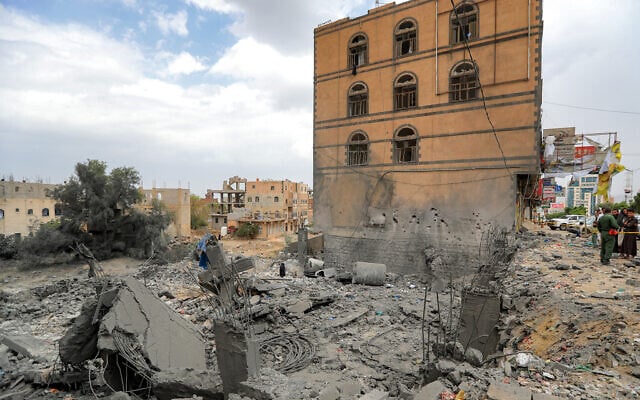
The U.S. Should Engage with the Houthis Instead of Bombing Yemen
Why in News?
The U.S. recently launched multiple airstrikes against the Houthi rebels in Yemen, marking a significant escalation in the region. This comes in the wake of the Houthis’ missile and drone attacks on commercial vessels in the Red Sea, which they claim is in solidarity with Palestinians following Israel’s Gaza offensive. The strikes have raised concerns about further destabilizing the region.
Introduction
The Houthi rebels, who captured Yemen’s capital, Sana’a, in 2014, have been at the center of the conflict in the region. Their recent attacks on Red Sea shipping vessels are seen as a direct challenge to U.S. and Western interests. The Biden administration, along with European allies, has carried out dozens of airstrikes, while Israel has also launched major assaults in Gaza. The U.S. airstrikes come despite a ceasefire agreement between Israel and Hamas, which had temporarily reduced tensions. 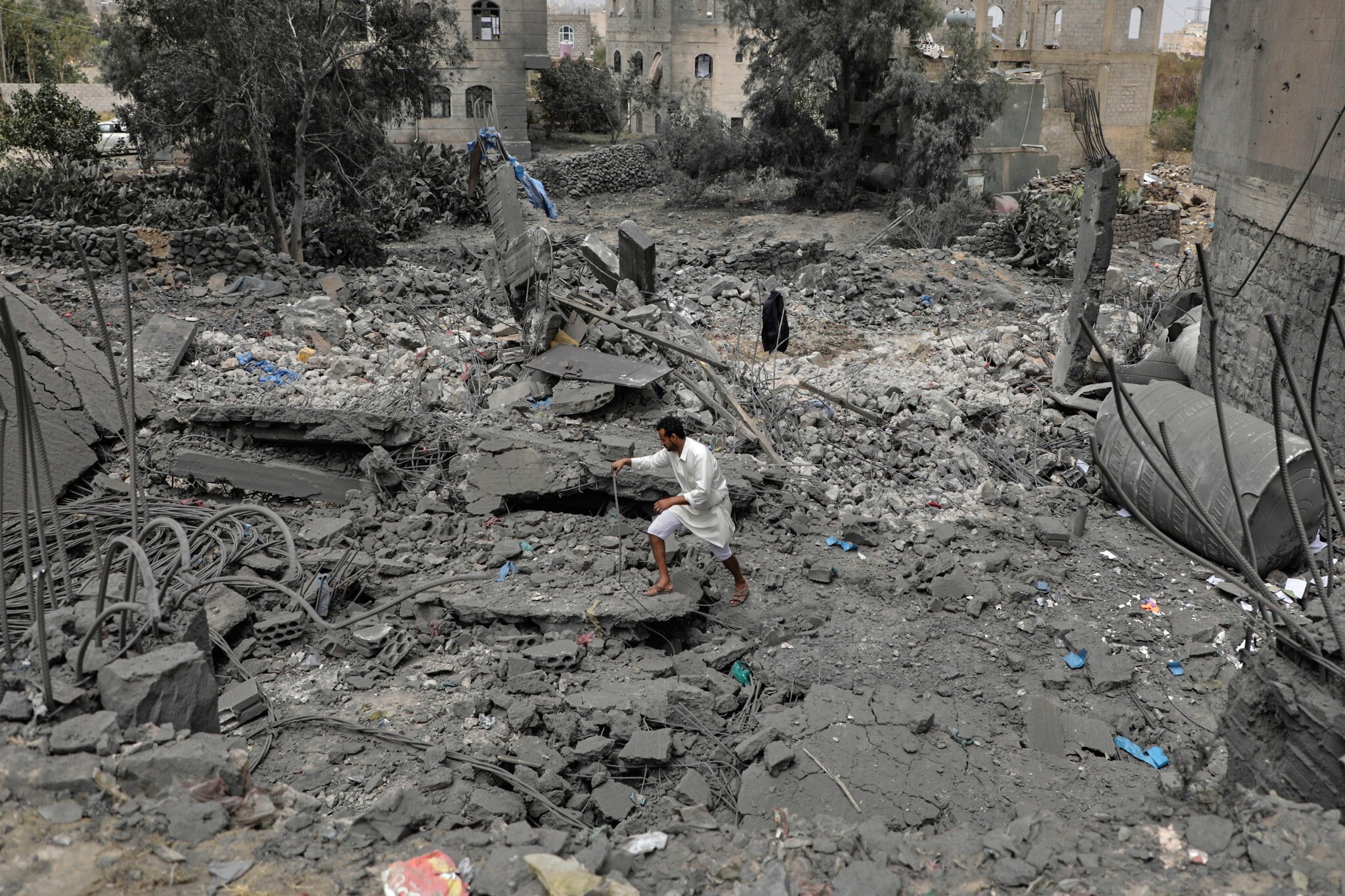
Key Issues
-
Escalating U.S. Military Action in Yemen
-
The U.S. launched “pre-emptive” strikes targeting the Houthi rebels to prevent further attacks on Red Sea shipping lines.
-
The airstrikes targeted missile launchers and rebel homes in Sana’a, Sa’dah, and parts of Yemen’s capital.
-
The U.S. Defense Secretary justified the strikes, stating they were necessary to prevent escalation.
-
-
Houthi Retaliation and Red Sea Attacks
-
Following the U.S. airstrikes, the Houthis launched ballistic and cruise missiles targeting U.S. warships, including the USS Harry S. Truman.
-
The Houthis have attacked over 100 commercial vessels in the Red Sea using drones and missiles.
-
Their attacks are described as retaliation against Israel’s Gaza operations.
-
-
Geopolitical Implications and Iran’s Role
-
The Houthis are backed by Iran, making the U.S. strikes a message to Tehran.
-
The U.S. had recently attempted diplomatic talks with Iran regarding its nuclear program, but with no breakthrough.
-
The strikes could worsen regional instability and deepen the divide between Iran and the U.S.
-
Challenges and the Way Forward
-
Risk of Further Destabilization: The airstrikes could provoke stronger retaliatory attacks by the Houthis, destabilizing shipping routes and the region.
-
Lack of Diplomatic Engagement: The U.S. approach of using force rather than engaging with the Houthis diplomatically may backfire, leading to a prolonged conflict.
-
Potential Humanitarian Crisis: Continued airstrikes could worsen Yemen’s humanitarian crisis, which has already been ravaged by years of war.
Conclusion
The U.S. airstrikes in Yemen, intended to curb Houthi aggression, risk deepening the conflict and destabilizing the region. Instead of focusing solely on military action, diplomatic engagement with the Houthis could help restore stability and prevent further escalation. The situation underscores the need for a balanced approach, prioritizing dialogue over force.
✅ Q&A Section
-
Q: Why did the U.S. launch airstrikes against the Houthis in Yemen?
A: The U.S. launched airstrikes to prevent the Houthis from attacking commercial vessels in the Red Sea and to demonstrate a strong stance against Iranian-backed forces. -
Q: What was the Houthi response to the U.S. airstrikes?
A: The Houthis launched ballistic and cruise missiles, targeting U.S. warships in the region, including the USS Harry S. Truman. -
Q: How are the Houthi attacks connected to the Israel-Gaza conflict?
A: The Houthis claim their Red Sea attacks are in solidarity with Palestinians, following Israel’s Gaza offensive. -
Q: What are the potential consequences of continued U.S. strikes in Yemen?
A: Continued airstrikes could escalate regional instability, provoke stronger Houthi retaliation, and worsen the humanitarian crisis in Yemen. -
Q: Why is diplomatic engagement with the Houthis considered a better approach?
A: Diplomacy could prevent further escalation, reduce regional instability, and offer a chance to negotiate a peaceful resolution, unlike airstrikes, which may prolong the conflict.

