
Growing Role of Women in Environment Protection
Why in News?
On International Women’s Day and beyond, it’s important to recognize the growing and critical role women play in promoting environmental sustainability, protecting biodiversity, and leading climate action across the world, including India.

Introduction
Women have always been the stewards of nature, playing a vital role in sustaining the environment. Today, with increasing awareness and the pressing need to address environmental issues, women’s contribution has gained prominence. Their involvement spans across grassroots movements, leadership in policy-making, and implementation of sustainable practices.
Key Features
Women as Environmental Entrepreneurs
- As per India’s 6th Economic Census, women make up 14% of entrepreneurs, and their numbers are rapidly growing.
- Women are significantly contributing to economic growth while also taking active roles in environmental protection and sustainability.
Leading Grassroots Movements
- Environmentalist Chami Murmu, recipient of the Padma Shri award, has been pivotal in planting over 3 million trees in Jharkhand.
- Anti-pollution activist Amrita Patel, along with Nobel laureate Muhammad Yunus, have been champions in areas like waste management and environmental sustainability.
- Women-led movements such as the historic Chipko Movement showcased women’s direct action to save forests in India.
Women in “New India”
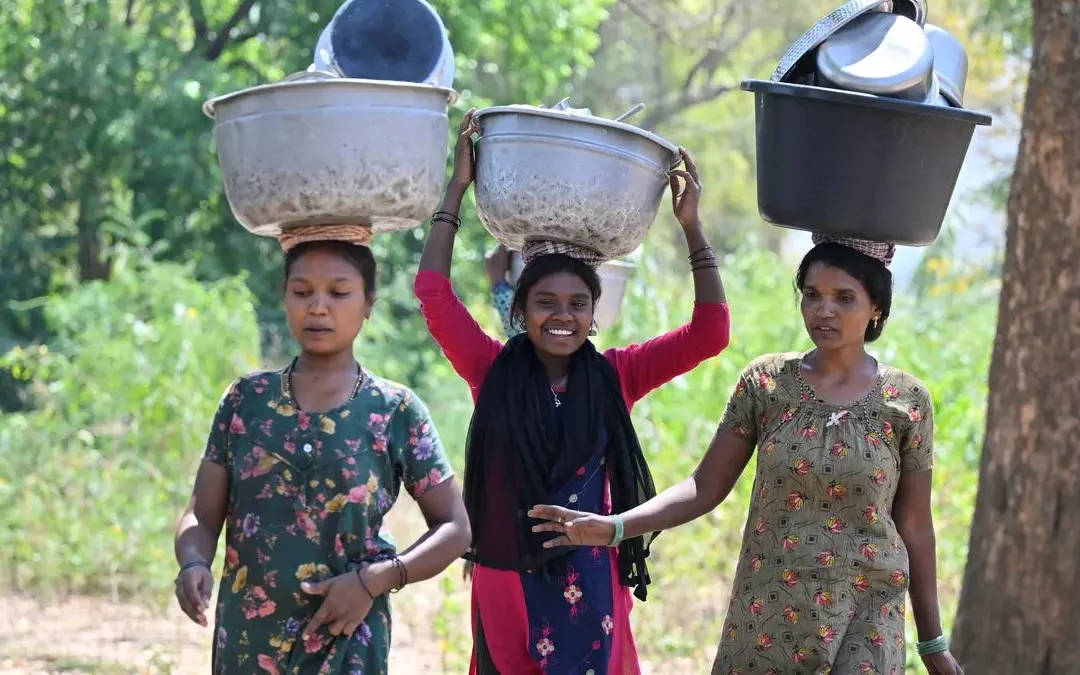
- Rural women are at the forefront of social, economic, and environmental change.
- Nearly 80% of rural women are engaged in sustainable agricultural practices, contributing to food security and environmental conservation.
- Women are involved in water harvesting, tree planting, and promoting biodiversity, leading to more positive environmental outcomes.
Specific Impacts or Effects
Global Role Models
- Internationally, women like Poder y Luz Maya and Monika Nolte have been recognized for their environmental activism.
- Goforth and Marilena Choquajin from Central America have empowered communities with sustainable energy, clean water access, and technologies to improve living conditions.
- Women globally are leading initiatives in renewable energy adoption and sustainable agriculture.
Policy and Governance Influence
- Research shows that women-led decision-making significantly boosts climate change initiatives.
- Women leaders help develop policies that foster renewable energy, energy efficiency, and sustainability.
- Businesses with gender-diverse leadership show better governance in environmental policies and outcomes.
Challenges and the Way Forward
Challenges
- Women often face systemic barriers in participating in environmental governance and policy.
- Gender biases still limit women’s access to resources and decision-making spaces, especially in rural areas.
Steps Forward
- Empowering women through education, capacity-building, and leadership training is essential.
- Organizations like the Council on Energy, Environment, and Water (CEEW) are nurturing women leaders in sustainability through targeted programs.
- Promoting gender-inclusive policies in climate action and sustainability initiatives is critical for achieving long-term environmental goals.
Conclusion
Women’s unique perspectives and roles as caregivers and community leaders make them key players in addressing environmental challenges. From rural farms to international policy forums, women are driving positive change in sustainability, biodiversity conservation, and climate resilience. Empowering more women will lead to more inclusive, effective, and innovative solutions for environmental protection and climate action.
Questions and Answers
1. What percentage of entrepreneurs in India are women?
Women make up 14% of entrepreneurs in India.
2. Who is Chami Murmu and what is her contribution?
Chami Murmu is an environmentalist who planted over 3 million trees in Jharkhand and was awarded the Padma Shri.
3. What was the Chipko Movement?
It was a women-led movement in India focused on preventing deforestation by hugging trees to protect them.
4. How are rural women contributing to sustainability?
They engage in sustainable farming, water harvesting, and biodiversity conservation.
5. What are some examples of global women leaders in sustainability?
Poder y Luz Maya, Monika Nolte, Goforth, and Marilena Choquajin are notable global women leaders in environmental activism.
6. What role do women play in renewable energy adoption?
Women have led initiatives promoting renewable energy adoption in local and global communities.
7. How does women’s leadership impact climate governance?
Businesses and governments with gender-diverse leadership tend to implement better environmental policies and achieve more sustainable outcomes.
8. What organization is nurturing women leaders in environmental protection in India?
The Council on Energy, Environment, and Water (CEEW) launched initiatives to develop women leaders in sustainability.
9. Why is it important to empower women in environmental governance?
Empowering women results in better decision-making, enhances environmental outcomes, and promotes inclusive sustainability efforts.
10. What future steps are recommended for enhancing women’s role in environmental protection?
Providing education, leadership opportunities, and inclusive policies are vital for increasing women’s participation in climate action and sustainability.

