
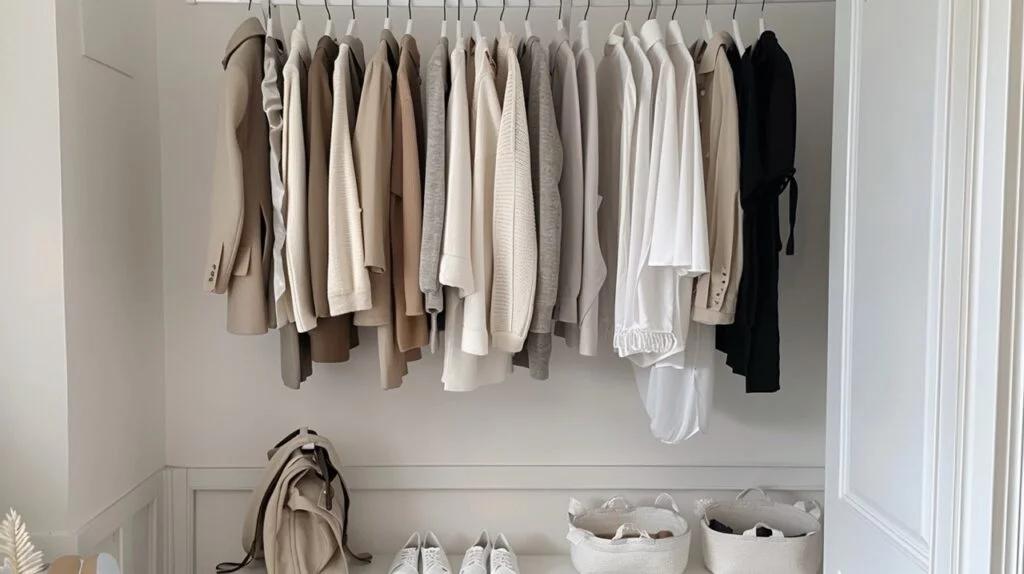
Breaking Free from Cloth Clutter: Towards a Mindful Wardrobe
Why in News?
The rising trend of overconsumption, fueled by fast fashion and digital influence, has brought the problem of cloth clutter into focus. As consumerism grows, people are increasingly overwhelmed by overflowing wardrobes, impulsive shopping habits, and environmental concerns.
Introduction
In today’s fast-paced, consumer-driven society, the excessive accumulation of clothing has emerged as a serious issue. Popularly known as “cloth clutter,” this phenomenon stems from the convenience of online shopping, the rise of fast fashion, and the influence of social media. These factors have contributed to an unnecessary and excessive collection of garments, leading to financial strain, environmental damage, and mental stress. 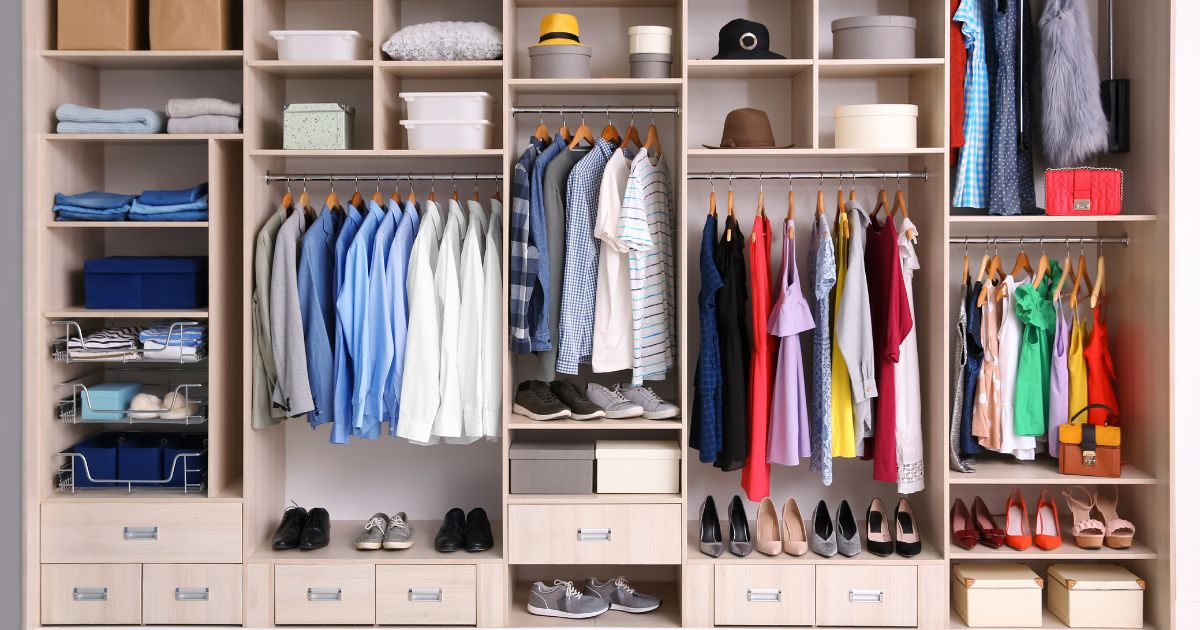
Key Features
What is Cloth Clutter?
Cloth clutter, or fashion hoarding, refers to the disorganized accumulation of unused or rarely worn garments. Unlike previous generations that valued durability and longevity in clothing, Gen Alpha (born between 2010 and 2025) is caught in a cycle of overconsumption. This has resulted in cluttered wardrobes, wasteful spending, and severe environmental consequences.
The Role of Fast Fashion and Online Shopping
Fast fashion thrives on quick production cycles, pushing new styles almost weekly at low prices. Platforms like Amazon, Myntra, and Meesho encourage impulsive buying through discounts like “buy one, get one free” and fast delivery options. Subscription models and exclusive sales contribute to wardrobes filled with unnecessary items.
Psychological Factors
Today, stress, boredom, and emotional triggers often lead to mindless shopping. Many purchase clothing on impulse, only to regret it later. This behavior results in wardrobes full of items with no long-term use, further cluttering both physical spaces and mental wellbeing.
Specific Impacts or Effects
Environmental Impact
- Increased consumption leads to more textile waste.
- Discarded clothes often end up in landfills.
- Synthetic fabrics take decades to decompose, increasing environmental strain.
Financial Consequences
- People spend heavily on fashion, often sacrificing funds needed for essential needs.
- Constantly buying new clothes without utilizing existing ones leads to unnecessary expenses.
Mental and Emotional Strain
- Overcrowded closets create stress and anxiety.
- Cluttered spaces impact focus, productivity, and overall mental health.
Challenges and the Way Forward
Challenges
- Overconsumption Habits
- A culture of fast fashion and trends fuels constant buying.
- Emotional Shopping
- Purchases driven by stress, boredom, or emotions rather than need.
- Storage and Organization Issues
- Lack of space and disorganized wardrobes lead to a sense of overwhelm.
Steps Forward
- Adopt a Minimalist Approach
- Buy fewer but higher-quality, versatile pieces that can be mixed and matched.
- Mindful Consumption
- Support sustainable brands, buy second-hand, and donate unused clothes.
- Ask Before Buying
- Questions like “Do I need this?” or “Will I wear this at least 20 times?” help prevent impulsive purchases.
- Declutter Regularly
- Regularly assess and donate, sell, or repurpose items no longer needed.
- Organize Your Wardrobe
- Use bins, shelves, and drawers to maximize space and maintain order.
Conclusion
Cloth clutter has become a widespread issue in modern society, largely driven by fast fashion, online shopping, and digital influence. While trendy and affordable fashion is tempting, it often comes with hidden costs—both financial and environmental. By embracing minimalism, supporting ethical brands, and adopting mindful shopping habits, individuals can break free from the cycle of overconsumption. A clutter-free wardrobe promotes a stress-free, eco-conscious lifestyle, benefiting both personal wellbeing and the planet.
Let your wardrobe smile!
Questions and Answers
1. What is cloth clutter?
It refers to the excessive accumulation of clothing, often unused or rarely worn, leading to disorganized wardrobes.
2. What generation is most affected by cloth clutter?
Gen Alpha, born between 2010 and 2025.
3. How has online shopping contributed to cloth clutter?
It offers convenience, discounts, and fast delivery, encouraging impulsive buying.
4. What is the role of fast fashion in this issue?
Fast fashion promotes frequent buying with quick production cycles and affordable prices.
5. What environmental issues are linked to cloth clutter?
It increases textile waste, with synthetic fabrics taking decades to decompose.
6. How does cloth clutter affect mental wellbeing?
Cluttered spaces lead to stress, anxiety, and difficulty focusing.
7. What is one way to combat mindless shopping?
Ask reflective questions like “Do I need this?” before purchasing.
8. Why should people support sustainable fashion brands?
They prioritize durability and ethical practices, reducing environmental impact.
9. What are the financial effects of cloth clutter?
Unnecessary spending on clothes can limit funds for essential needs.
10. What is a simple step to start decluttering?
Regularly assess and donate or repurpose items you no longer wear.

