
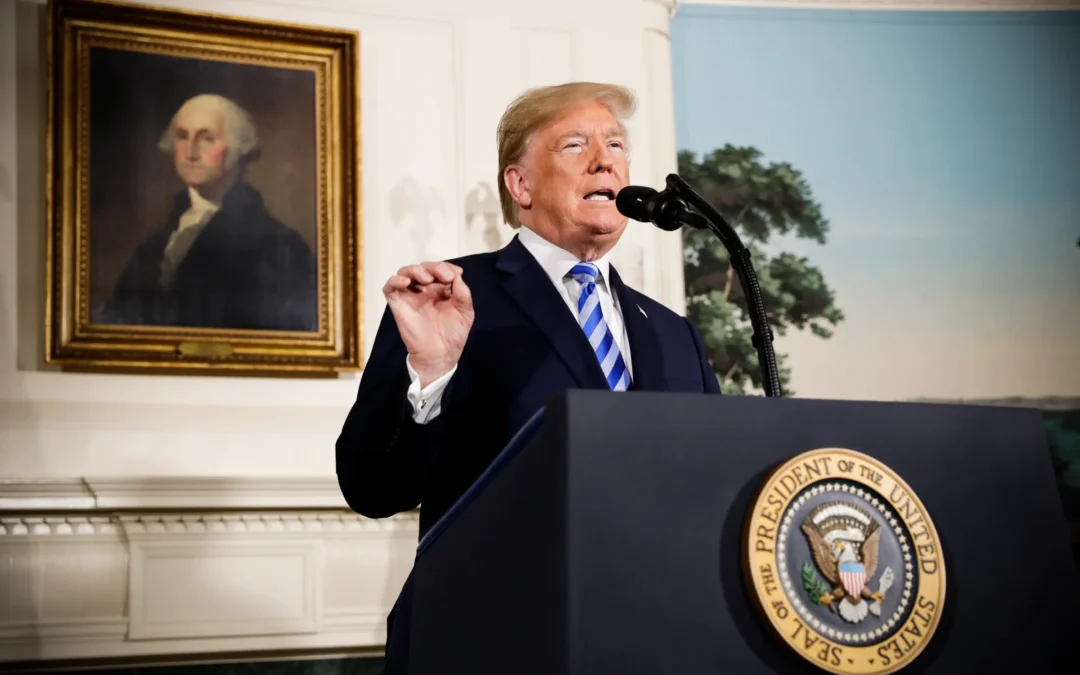
Trump Offer of a New Nuclear Pact: A Long Shot, but India Hopes for a Tehran Reset
Why in News?
Former US President Donald Trump has reached out to Iran with a proposal to negotiate a fresh nuclear deal. This move comes amidst complex geopolitical dynamics, with potential ramifications for India and the broader Global South.
Introduction
In a surprising turn, Trump sent a letter to Iran over the weekend, offering to reopen discussions on Tehran’s nuclear program. This is particularly notable considering Trump was the one who withdrew the US from the 2015 Iran nuclear deal during his first term, under his “maximum pressure” campaign. That withdrawal significantly impacted US foreign policy and its relations with Iran. 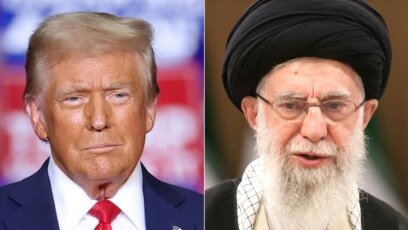
Key Features
-
Background on the 2015 Nuclear Deal
- Iran was fully compliant with the 2015 nuclear pact when Trump withdrew in 2018.
- The withdrawal isolated Tehran, pushing it closer to China and Russia.
- The Ukraine war has solidified Iran’s position within the China-Russia bloc.
-
Policy Shifts and Missed Opportunities
- President Joe Biden failed to correct Trump’s course during his term, despite having an opportunity in 2021 before the Ukraine war escalated.
-
Tehran’s Scepticism
- Iran views Trump’s recent offer with suspicion due to past betrayals.
- Tehran’s involvement in the Ukraine conflict makes it more aligned with Russia and China.
Specific Impacts or Effects
-
Impact on India
- US sanctions on Iran severely hampered India’s energy imports, which had previously met a large share of its energy needs.
- The sanctions also stalled the development of India’s Chabahar Port project, a key trade route to Afghanistan and Central Asia.
-
Potential Benefits for India
- A new nuclear deal lifting sanctions could be beneficial for India, reviving trade and energy ties with Tehran.
- It could also enhance India’s regional connectivity strategy through Iran.
Challenges and the Way Forward
Challenges
- Iran’s Supreme Leader Ayatollah Khamenei has rejected talks with “bullying governments,” making negotiations unlikely.
- Iran has advanced its nuclear program, with uranium enrichment reaching 60% purity—just short of weapons-grade material.
Steps Forward
- China and the US are engaged in a trade war, and Beijing may leverage its close ties with Iran to counterbalance the US offer.
- Any new negotiations will require trust-building, mutual respect, and security assurances, particularly for Tehran.
Conclusion
Trump’s offer may be a strategic bluff aimed at influencing Arab nations regarding Israel and Gaza. Still, if a genuine attempt is made to normalize US-Iran relations, it could benefit India and much of the Global South. For India, restoring ties with Tehran is vital for energy security and regional connectivity.
Questions and Answers
-
What did Trump offer Iran recently?
A proposal to negotiate a fresh nuclear deal. -
Why is this offer surprising?
Trump himself withdrew from the 2015 Iran nuclear deal during his first term. -
What was Iran’s compliance status when Trump withdrew?
Iran was fulfilling all its obligations under the nuclear pact. -
Why didn’t Biden reverse Trump’s withdrawal?
Biden did not act in time, and the Ukraine war made it politically difficult from 2022 onwards. -
What geopolitical bloc is Iran now aligned with?
China and Russia. -
How have US sanctions on Iran affected India?
They disrupted India’s energy imports and stalled the Chabahar Port project. -
What is Tehran’s initial reaction to Trump’s new offer?
Tehran is skeptical, with Ayatollah Khamenei rejecting talks with “bullying governments.” -
How advanced is Iran’s nuclear program today?
Iran’s uranium enrichment has reached 60% purity, just below weapons-grade. -
What role does China play in this situation?
China may support Iran in response to its trade war with the US. -
Why is a normalized US-Iran relationship important for India?
It would restore energy trade, support regional connectivity, and benefit India’s strategic interests.

