
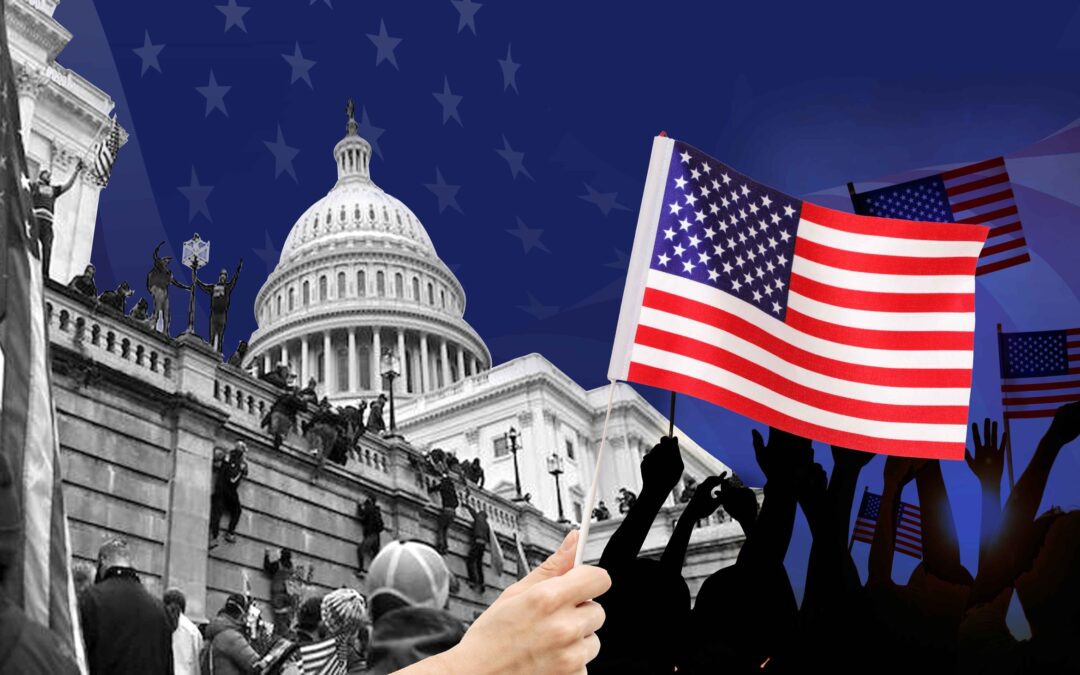
The Rise of Global Right-Wing Politics: A Threat to Democratic Norms
Why in News?
The global political landscape is witnessing a growing consolidation of right-wing and far-right forces, marked by their disregard for democratic norms, suppression of labor rights, and scapegoating of immigrants and minorities. Prime Minister Narendra Modi’s recent visit to the US and his meeting with former US President Donald Trump have brought renewed attention to this trend. The visit not only highlighted the deepening ties between India and the US but also symbolized the larger ideological alignment between conservative nationalist leaders worldwide.
Introduction
The rise of right-wing populism across the world is reshaping international relations, economic policies, and human rights frameworks. This shift has been accompanied by:
- Increased protectionist policies that restrict free trade while favoring corporate interests.
- Harsh immigration laws that target skilled workers and asylum seekers.
- Dismantling of global institutions like BRICS, which challenge Western economic dominance.
- Growing authoritarian tendencies that suppress dissent and undermine democracy.
This transformation has led to economic and social inequalities, weakening international cooperation and fostering hostility toward marginalized communities.
Key Issues with the Global Right-Wing Consolidation
1. Economic Protectionism and Trade Wars
Despite claims of strengthening bilateral relations, Modi’s visit to the US did not lead to any resolution regarding ongoing trade disputes between the two countries. The Trump administration, known for its aggressive protectionist policies, imposed tariffs on several Indian exports, including pharmaceuticals, textiles, and automobile parts.
Key concerns include:
- Trade Barriers: The US continues to impose strict tariffs on Indian goods while demanding increased market access for American companies.
- Economic Supremacy: The US is using sanctions and tariffs as economic tools to maintain dominance, sidelining multilateral frameworks like BRICS.
- Diplomatic Silence: Modi refrained from addressing India’s trade concerns, indicating a lack of assertiveness in defending national economic interests.
2. Immigration Crackdown and Human Rights Violations
One of the most glaring failures of Modi’s visit was his silence on the appalling treatment of Indian deportees by US authorities. Under Trump’s harsh immigration policies, hundreds of Indians—including skilled workers and asylum seekers—faced inhumane treatment. Reports have documented:
- Illegal detentions and poor living conditions for deportees.
- Separation of families due to visa restrictions.
- No diplomatic intervention by India to protect its citizens’ rights.
Despite these humanitarian concerns, Modi did not raise the issue during his meeting with Trump, signaling his government’s willingness to appease Washington.
3. Undermining Multilateral Institutions
Trump’s hostility toward multilateral organizations is well known. His administration actively sought to dismantle alliances like BRICS, which were established to challenge Western economic hegemony. Key actions included:
- Threatening BRICS’ stability by imposing unilateral sanctions on member countries.
- Disrupting global trade mechanisms to favor corporate-driven policies.
- Withdrawing from international climate agreements, demonstrating indifference to global sustainability efforts.
Modi’s alignment with this brand of nationalist politics raises concerns about India’s future role in global governance. If such policies continue, the economic opportunities of Global South nations will shrink, exacerbating inequality.
4. The Rise of an Authoritarian Global Alliance
The increasing cooperation between right-wing leaders such as Trump, Modi, and other nationalist figures represents the emergence of a global conservative alliance that:
- Prioritizes corporate interests over people’s rights.
- Suppresses labor movements to benefit large businesses.
- Encourages xenophobia by targeting migrants and minorities.
This trend poses a significant threat to democratic values, human rights, and global stability.
Challenges and the Way Forward
Challenges:
- Erosion of Democratic Norms: Right-wing populism is leading to increased censorship, political repression, and authoritarian rule.
- Economic Instability: Protectionist policies are creating trade tensions, reducing opportunities for developing economies.
- Humanitarian Crisis: Harsh immigration laws and anti-refugee measures are worsening global displacement issues.
- Climate Neglect: Right-wing leaders are rolling back climate policies, favoring corporate-driven environmental destruction.
Steps Forward:
- Strengthening Multilateral Institutions: BRICS and the Non-Aligned Movement (NAM) must reinforce their roles as counterbalances to right-wing dominance.
- Protecting Worker Rights: International trade agreements should focus on fair labor practices rather than corporate gains.
- Promoting a People-Centric Approach: Governments must prioritize social welfare, economic justice, and democratic governance over corporate interests.
- Raising Public Awareness: Citizens must recognize the dangers of rising authoritarianism and economic exploitation.
Conclusion
The growing consolidation of global right-wing forces presents a significant challenge to democratic values, economic stability, and social justice. Modi’s visit to the US highlights how nationalist leaders are increasingly aligning to suppress opposition, scapegoat marginalized groups, and consolidate power.
To counter this trend, alternative economic and political models that prioritize people over profit, democracy over authoritarianism, and cooperation over conflict must be embraced. Strengthening international solidarity, supporting multilateral frameworks, and advocating for human rights will be crucial in resisting the dangers of right-wing authoritarianism and building a more equitable global order.

