
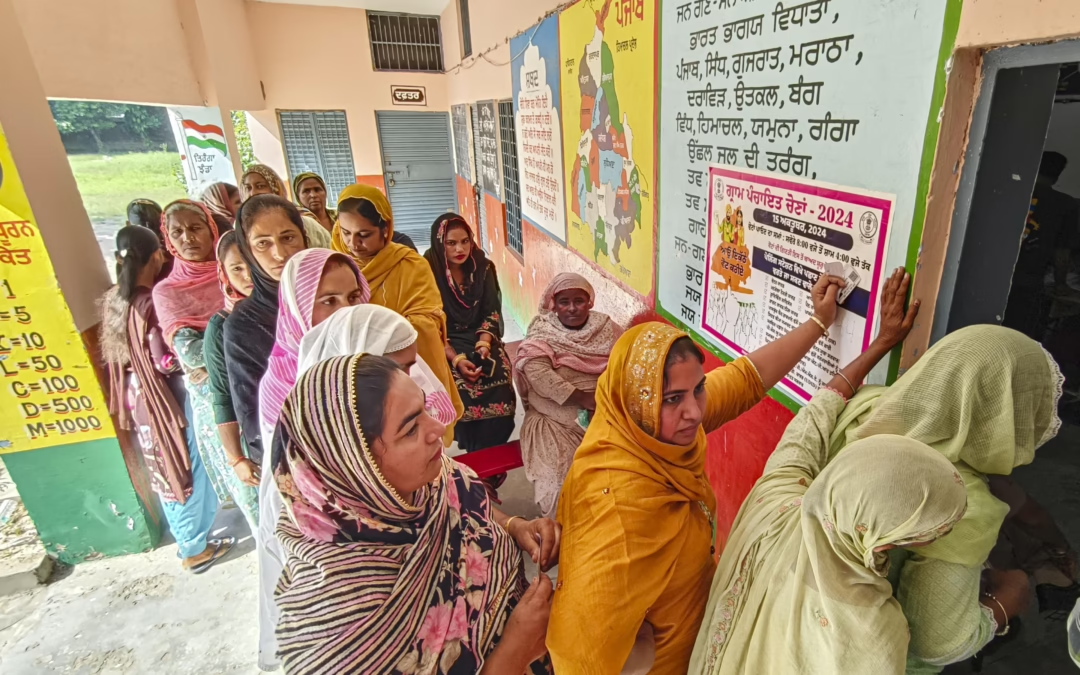
Women Sarpanches: Elected Leaders or Mere Proxies?
Why in News?
Despite legal provisions to enhance women’s participation in local governance, the ground reality for women sarpanches in Panchayati Raj institutions reveals a different picture. Empowerment remains limited, with many women facing systemic barriers that prevent them from exercising real authority. 
Introduction
In recent years, women’s empowerment has been at the forefront of India’s development agenda. One such initiative is the 50% reservation for women in Panchayati Raj institutions. States like Haryana, considered progressive in implementing this reservation, offer an opportunity to assess whether women sarpanches are truly empowered. Unfortunately, despite increased numbers of women sarpanches, societal structures and patriarchal practices continue to undermine their roles.
Key Features
- The Panchayati Raj (Second Amendment) Act, 2020 mandated 50% reservation for women in panchayats.
- Statistics in Haryana show women hold 6,186 sarpanch positions out of 12,276. Among these, a significant portion come from Scheduled Castes and Other Backward Classes, yet systemic discrimination persists.
- Educational Qualifications Requirement: Candidates must pass at least the eighth or tenth class. However, this has created an illusion of empowerment. Often, families rush to marry their sons to girls who meet these qualifications to retain control over the sarpanch position.
- Rigid Socio-Cultural Norms: Practices such as the purdah pratha (veil system) and restrictions on women’s speech in public spaces hinder women’s ability to exercise leadership.
- Proxy Sarpanches: Frequently, male relatives—husbands, fathers, or brothers—act as proxies for elected women sarpanches, controlling decision-making and public affairs. This system, known as the “sarpanch pati” phenomenon, renders elected women figureheads without actual power.
Specific Impacts or Effects
- Backward Castes Disadvantaged: Landless backward caste women face greater hurdles as they often lack the socio-economic power to influence village politics.
- Double Disadvantage for Scheduled Caste Women: As Dalits and women, they suffer from compounded social exclusion.
- Lack of Capacity Building: Women sarpanches often lack independent decision-making skills and effective leadership training.
- Token Representation: Women’s representation in panchayat meetings frequently appears symbolic, as the real power lies with male kin.
Challenges and the Way Forward
Challenges
- Social Norms and Patriarchy: Cultural expectations restrict women’s freedom to speak and act independently in public.
- Male Proxy Rule: Men dominate decision-making, even in cases where women are officially elected.
- Lack of Training and Support: Women sarpanches often lack access to training programs and platforms for independent action.
- Administrative Inaction: District administrations often fail to intervene against male proxies controlling women sarpanches.
Steps Forward
- Strict Enforcement: District administrations must prevent male relatives from acting on behalf of women representatives.
- Training Programs: Elected women should be given leadership training and capacity-building support.
- Women’s Groups and Self-Help Initiatives: Encourage the formation of women’s groups that offer solidarity and shared experiences to strengthen women’s leadership.
- Restructure Governance: Village-level structures must be reformed to ensure women sarpanches can act independently without patriarchal interference.
Conclusion
While legal frameworks have made it possible for women to enter local governance, patriarchal norms and social structures continue to limit their effectiveness. In Haryana and similar states, meaningful women’s empowerment in Panchayati Raj remains an unfulfilled promise. Without active intervention and systemic change, women sarpanches will continue to serve as proxies rather than true leaders.
Questions and Answers
-
What percentage of reservation for women does the Panchayati Raj Act mandate?
50% reservation for women. -
Which states are mentioned as examples of implementing educational requirements for sarpanch candidates?
Haryana and Rajasthan. -
What is the ‘sarpanch pati’ phenomenon?
It refers to male relatives (often husbands) exercising power on behalf of elected women sarpanches. -
Why do some families marry their sons to educated girls?
To ensure the family retains control over the sarpanch position by meeting educational criteria. -
How do socio-cultural norms affect women sarpanches?
Practices like purdah and expectations of silence in public spaces limit their leadership roles. -
What is the impact on Scheduled Caste women sarpanches?
They face double discrimination as Dalits and as women, limiting their power in governance. -
Why are women’s voices often unheard in panchayat meetings?
Male relatives frequently attend and speak on behalf of women sarpanches, sidelining them. -
What does the article suggest about district administration’s role?
It should prevent male kin from functioning as proxies for women sarpanches. -
What kind of support is needed to empower women sarpanches?
Leadership training, capacity-building initiatives, and independent decision-making opportunities. -
What is the overall conclusion of the article?
Despite reservation policies, women sarpanches in Haryana and similar states often lack real empowerment and autonomy in governance.

