
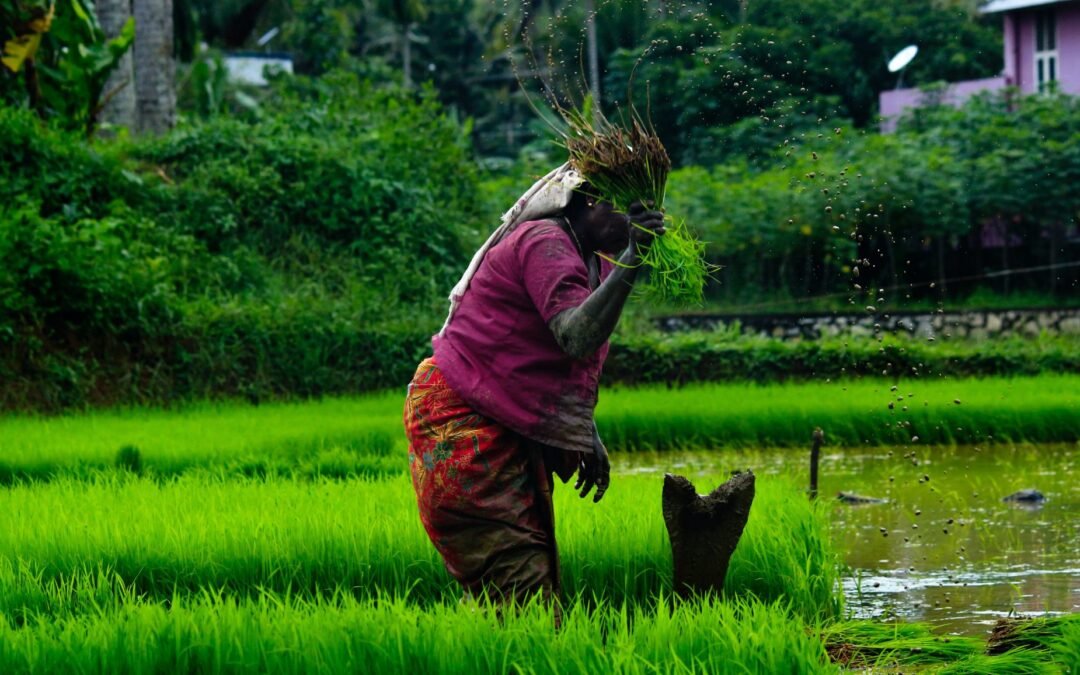
Growing Role of Women in Environmental Protection
Why in News?
On the occasion of International Women’s Day, it’s important to highlight women’s growing contributions to climate protection and environmental sustainability. Across India and the world, women are taking leadership roles in addressing climate change, promoting biodiversity, and sustainable development. Their participation is not only transforming rural economies but also setting new paradigms for environmental governance. 
Introduction
Women have historically been protectors of nature, from leading grassroots movements like Chipko to pioneering sustainable farming methods. Today, their involvement in environmental conservation and climate leadership is more significant than ever, driving positive environmental change and ensuring inclusive sustainable development.
Key Features of Women’s Role in Environmental Protection
1. Women as Environmental Guardians
- Historically, women have demonstrated deep commitment to nature conservation.
- The Chipko Movement of the 1970s in India saw women at the forefront, hugging trees to prevent deforestation.
2. Economic Empowerment Linked with Sustainability
- Per the 6th Economic Census, women make up 14% of entrepreneurs in India.
- Many women entrepreneurs integrate eco-friendly practices in agriculture, tree planting, and biodiversity protection.
3. Padma Shri Women Environmentalists
- Chami Murmu: Planted 3 million trees in Jharkhand.
- Almitra Patel: Anti-pollution activist.
- Rahibai Popere: Seed bank creator for farmers.
- Lakhimi Baruah: Empowered women through financial initiatives supporting sustainable livelihoods.
4. Global Women-Led Sustainability Movements
- Monika Noeline Goforth and Marilena Choguaj in Central America: Promoted renewable energy solutions like solar and clean stoves to address energy poverty.
- Women-led initiatives have brought solar systems, water filters, and solar dehydrators, improving community resilience.
5. Institutional Support for Women’s Leadership
- The Council on Energy, Environment and Water (CEEW) launched Women in Sustainability (WiS) in 2017.
- The initiative encourages women’s involvement in sustainability discussions and decision-making processes.
Women’s Impact on Sustainability and Climate Change
Rural Women and Agriculture
- Nearly 80% of rural women work in agriculture.
- They lead sustainable practices like water harvesting, tree planting, and biodiversity conservation, boosting environmental health and rural economies.
Women’s Leadership in Climate Change
- Countries with higher female representation in governance:
- Ratify environmental treaties more frequently.
- Implement stricter climate policies.
- Businesses with gender diversity invest more in renewable energy and efficiency improvements.
Women’s Perspectives in Community Leadership
- As caregivers and community leaders, women offer unique solutions to environmental challenges.
- Women’s involvement in disaster management and climate action planning ensures more effective responses.
Challenges and the Way Forward
- Despite their contribution, many women remain underrepresented in policy-making forums and climate negotiations.
- Empowering women with education, skills, and financial support is crucial for sustainable development.
Steps Forward
- Mainstream rural women in agriculture and environmental policies.
- Encourage gender-responsive climate strategies.
- Expand women’s roles in disaster planning and natural resource management.
Conclusion
Women have emerged as powerful agents of change in the fight against climate change and the promotion of environmental sustainability. Their leadership, traditional knowledge, and community engagement are shaping green economies and fostering inclusive environmental governance.
For a sustainable future, it’s essential to nurture and expand women’s roles in environmental decision-making and policy formulation.

