
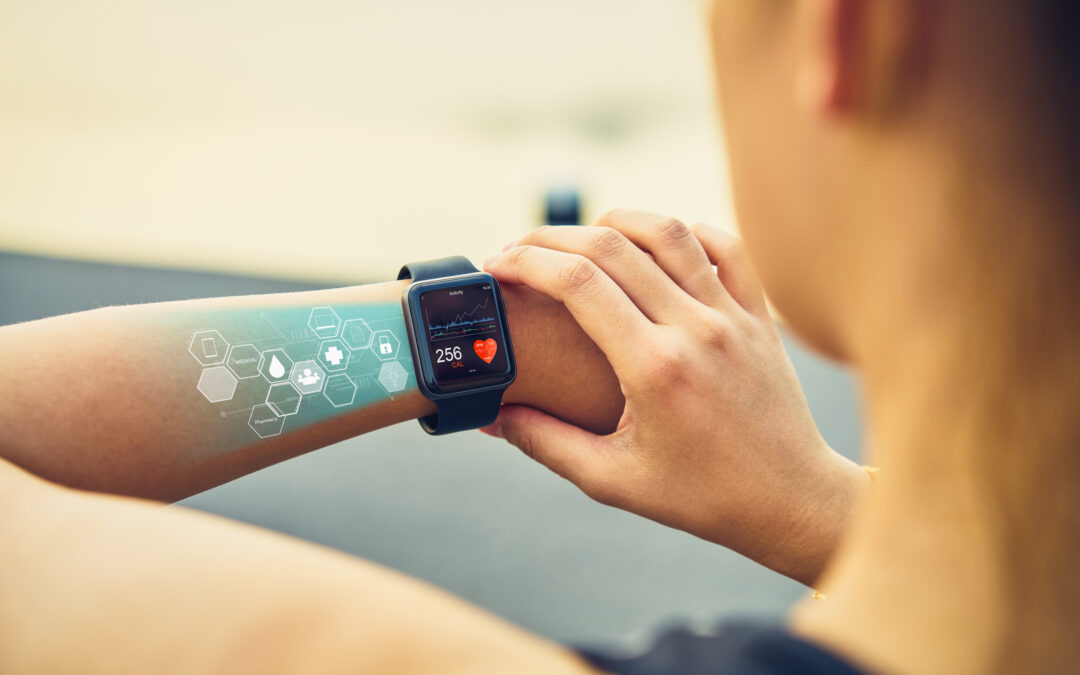
Medical Wearables Tech: A New Era in Health Monitoring
Why in News?
With advancements in medical wearables, healthcare is undergoing a major shift, enabling real-time monitoring of health parameters like heart rate, blood sugar, and respiratory health. The growing use of smartwatches, fitness trackers, and continuous glucose monitors (CGMs) is proving to be a game-changer in managing chronic illnesses such as diabetes, hypertension, and cardiovascular diseases. 
Key Features of Medical Wearables
✔ Real-time health tracking – Monitors blood sugar, heart rate, blood pressure, sleep patterns, and respiratory health.
✔ Early detection of diseases – Alerts users to abnormal readings, prompting timely medical intervention.
✔ Empowers patients – Encourages individuals to take charge of their health by making lifestyle changes.
✔ Telemedicine support – Enables remote consultations by providing continuous health data.
✔ Future innovations – Research is ongoing on smart textiles and non-invasive glucose monitoring for deeper health insights.
The Role of Wearables in Healthcare
1. Post-Pandemic Shift Towards Wearables
🔹 The COVID-19 pandemic heightened awareness of real-time health monitoring, leading to an increase in wearable use.
🔹 Devices like pulse oximeters and smartwatches became household essentials to track oxygen levels, heart rates, and respiratory health.
🔹 More people now recognize the importance of monitoring vitals and detecting early signs of health issues.
2. Empowering Patients with Wearables
🔹 The visual feedback from wearables acts as a wake-up call, pushing individuals to adopt healthier habits.
🔹 CGMs have significantly improved diabetes management by tracking glucose fluctuations throughout the day.
🔹 Sleep tracking wearables help detect sleep apnea and poor sleep quality, leading to better interventions.
3. Enhancing Doctor-Patient Interaction
🔹 Wearables provide continuous health data, allowing doctors to make real-time adjustments in treatments.
🔹 CGMs help doctors remotely monitor diabetic patients and adjust insulin dosages accordingly.
🔹 Telemedicine platforms are integrating wearable data to improve remote consultations and personalized care.
Future of Health Monitoring
✅ Smart textiles: Researchers are developing clothing with embedded sensors to track heart rate, respiratory patterns, and glucose levels.
✅ Non-invasive glucose monitoring: New methods using sweat, saliva, or tears could replace needle-based glucose testing.
✅ AI-powered health analytics: AI integration will improve health predictions and early disease detection.
Challenges: The Cost Factor
❌ Despite the benefits, medical wearables remain expensive, limiting accessibility.
❌ In India, a CGM sensor costs around ₹10,000 per month, making it unaffordable for many.
❌ Long-term usability is a concern as compliance rates drop once patients return to doctors for follow-ups.
Conclusion
Medical wearables have revolutionized healthcare monitoring, enabling real-time tracking, early disease detection, and remote patient management. As technology advances, the integration of AI, smart textiles, and non-invasive monitoring will further enhance healthcare solutions. However, addressing affordability issues will be key to making these innovations accessible to all.


Leave a Comment
Comments