
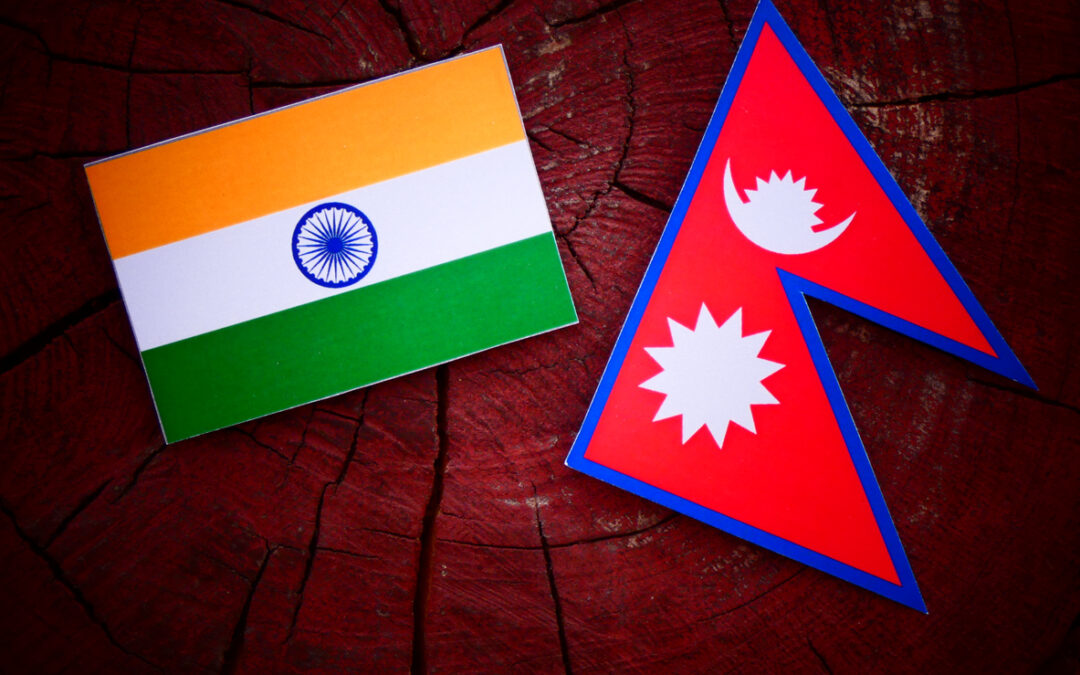
About The Academic Link Between Nepal and India:
The history of modern education in Nepal is deeply intertwined with India. The higher education landscape of Nepal has been shaped significantly by Indian institutions, which have played a major role in academic training, skill development, and career opportunities for Nepali students. 
Why in News?
- On February 16, 2025, a third-year Nepali woman student died by suicide at the Kalinga Institute of Industrial Technology (KIIT) in Bhubaneswar, Odisha.
- Reports suggested harassment from a fellow male student led to this tragic incident, leading to protests by Nepali students on the campus.
- The issue sparked widespread debate about the safety and well-being of foreign students in India, particularly from Nepal.
Foreign Student Enrollment in India
According to the All India Survey on Higher Education (AISHE) 2022, a total of 46,873 foreign students from 170 nations were enrolled in Indian universities. Among them:
- Nepal had the highest share (26%) of foreign students.
- The number of Nepali students in India increased significantly over the years.
- Major Indian universities like Delhi University, BHU, IITs, and private institutions like KIIT have a notable Nepali student population.
The preference for Indian education among Nepali students is due to:
✔️ Cultural and linguistic similarities
✔️ Affordable tuition fees compared to Western nations
✔️ Recognition of Indian degrees in Nepal
✔️ Historical ties between the two countries
The Deep-Rooted Academic Connection
Even though Nepal was never colonized, its modern education system was influenced by British rule in India.
- The first formal schools in Nepal were established inspired by Indian models.
- Tribhuvan University (1959), Nepal’s first higher education institution, was modeled on Indian universities.
- Until the 1960s, Nepal relied heavily on India for higher education, as postgraduate studies were not available in Nepal.
Challenges for Nepali Students in India
While Indian institutions offer valuable education opportunities, Nepali students also face challenges, including:
🔹 Safety concerns – Incidents like the KIIT suicide raise questions about student security and mental health support.
🔹 Discrimination and cultural barriers – Some Nepali students report bias and exclusion in Indian colleges.
🔹 Visa and residency issues – Nepali students sometimes struggle with documentation despite the open border policy.
The Road Ahead
To strengthen academic ties and ensure student welfare, Indian institutions should:
✔️ Improve mental health support and counseling services.
✔️ Implement strict anti-harassment policies.
✔️ Enhance student exchange programs for better integration.
Conclusion
Nepali students have long considered India a prime destination for higher education, but recent events highlight the need for better student protection and support. As both countries continue their academic collaboration, ensuring a safe and enriching learning environment should remain a priority.

