

Remodelling the UAE-India Aviation Partnership
Why Is This in the News?
The aviation partnership between the United Arab Emirates (UAE) and India has recently gained attention due to the rapid expansion of India’s aviation sector. The new Navi Mumbai International Airport in Maharashtra is expected to be a game-changer, strengthening connectivity and boosting India’s position in global air travel. With increasing passenger numbers and government initiatives like UDAN, there is a growing need for modernized regulations and enhanced international partnerships, particularly with the UAE. 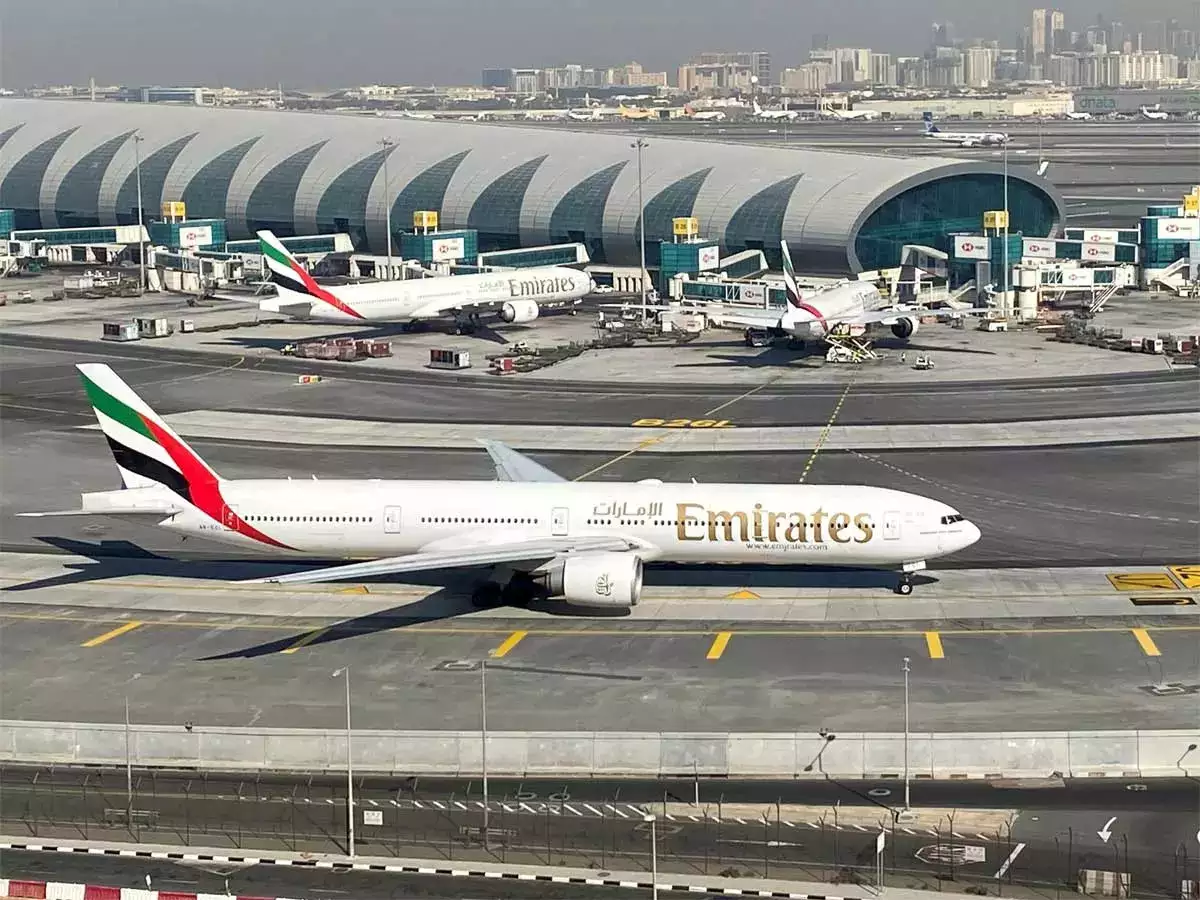
Key Features:
- UAE as a Key Travel Destination: The UAE is India’s most significant outbound travel market, with over 4.5 million Indian tourists visiting the UAE in 2023.
- Air Travel Demand-Supply Mismatch: Despite operating over 500 weekly flights, Indian carriers struggle to meet demand, leading to rising ticket prices.
- Restrictive Bilateral Agreements: UAE airlines can only operate to 15 Indian cities, limiting connectivity and economic opportunities.
- Need for a Modernized Aviation Strategy: With more Indian passport holders seeking global travel, outdated regulations could hinder aviation growth.
- Cooperation over Competition: Strengthening the UAE-India aviation relationship can boost trade, tourism, and investment.
Enhancing the UAE-India Aviation Partnership
The UAE has long been a close strategic partner of India, playing a vital role in connecting Indian travelers with the world. Despite high demand, restrictive bilateral air service agreements prevent UAE carriers from expanding their network in India. This leads to unmet demand, rising ticket prices, and reduced travel options for Indian passengers.
Expanding aviation ties between the two nations requires a modernized approach that aligns with India’s growing travel needs. The Comprehensive Economic Partnership Agreement (CEPA) has already set the foundation for stronger trade and investment relations. Aviation should now follow a similar trajectory, ensuring connectivity improvements that benefit both countries.
The Need for a Progressive Aviation Strategy
With every 1% increase in Indian passport holders, nearly 10 million more Indians are expected to travel abroad. If the regulatory framework remains restrictive, it could lead to further price hikes and limitations on international travel. By enhancing aviation cooperation, both nations can benefit from increased tourism, trade, and investment opportunities.
A revised aviation policy should include:
- Increased airline frequencies between India and the UAE.
- Greater access for UAE carriers to Tier-2 and Tier-3 Indian cities.
- Investment in India’s aviation infrastructure, including maintenance, repair, and overhaul (MRO) facilities.
- Collaborative initiatives in pilot training and aviation technology sharing.
Cooperation Over Competition
The ultimate goal of this partnership should be to create a combined aviation ecosystem that prioritizes collaboration over competition. Just as Dubai and Abu Dhabi have developed as global aviation hubs, Indian cities have the potential to achieve similar levels of connectivity.
By strengthening ties in aviation, both nations can drive sustainable economic growth, enhance regional connectivity, and create a robust framework for future collaboration. As India emerges as a global aviation powerhouse, support from the UAE will be instrumental in achieving its ambitious goals.
Conclusion
The UAE-India aviation partnership is poised for transformation. With strong historical ties and increasing passenger demand, both nations must work towards a policy framework that benefits their aviation industries and economies. Expanding cooperation in this sector will unlock new opportunities, ensuring that the sky is not the limit for what they can achieve together.

