
The U.S. and Space Dominance: A Challenge to Global Cooperation
Why Is This in the News?
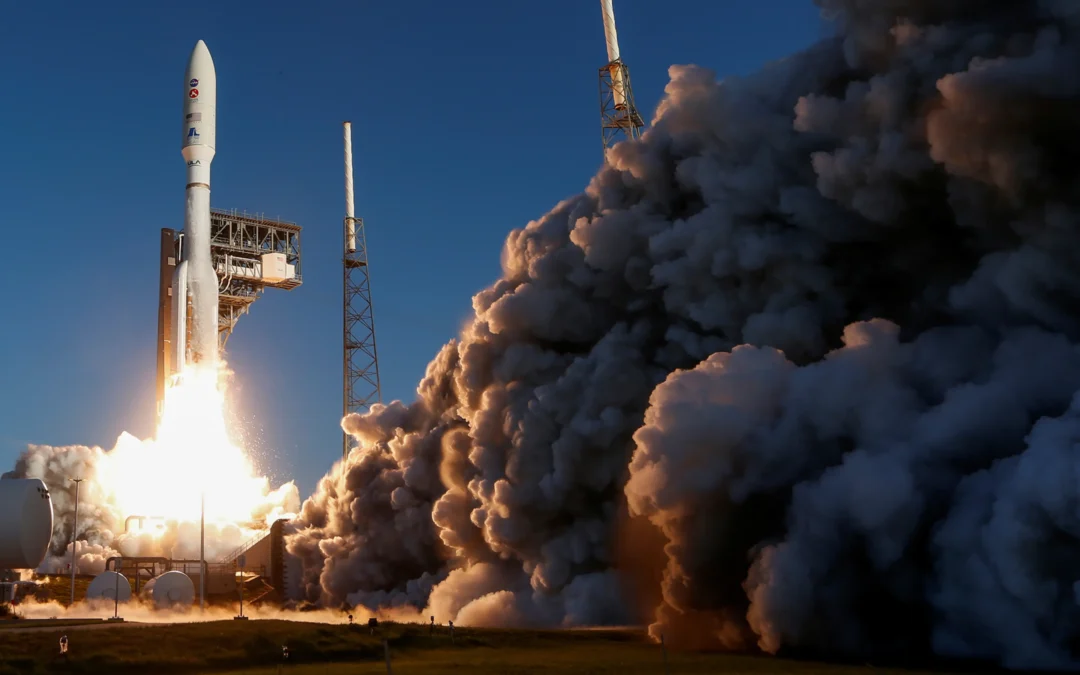
The recent soft landing of a robotic lander by Firefly Aerospace on the Moon on March 2 has reignited debates over space dominance. Acting NASA administrator Janet Petro’s statement that the U.S. aims to dominate all domains of space has sparked concerns over the country’s unilateral approach to space governance. This statement has drawn parallels to past leadership approaches, raising questions about whether the U.S. prioritizes leadership or domination in space exploration. 
Key Issues:
- U.S. Space Dominance Strategy: NASA’s leadership stance indicates an aggressive approach to securing space resources and control.
- Concerns Over Space Commons: The Moon and cislunar space, considered global commons, are facing increased protectionism and legal ambiguities.
- Regulatory Challenges: U.S. Federal Aviation Administration (FAA) has shown limitations in regulating private space ventures, such as the recent uncontrolled debris fall of a SpaceX rocket over Poland.
- Impact on International Cooperation: The U.S.’s dominance-driven approach risks undermining decades of space collaboration efforts.
- Future of Global Space Governance: The need for multilateral cooperation, particularly with organizations like the Indian Space Research Organisation (ISRO), is critical to counter unilateral actions.
U.S. Approach and Global Implications
The U.S. space program remains one of the most ambitious and well-funded in history, but recent policy directions under both past and present administrations indicate a shift toward asserting dominance rather than fostering collaboration. Petro’s comments reflect a perspective that aligns with aggressive policies seen in other areas of international affairs.
The Moon and cislunar space contain crucial resources, making them strategic locations for future space missions. However, the growing influence of protectionist policies and regulatory gaps could result in conflicts over access. The slow development of international regulatory frameworks further complicates the matter, allowing unilateral ambitions to take precedence.
Recent FAA challenges, such as its limited oversight of SpaceX operations, highlight the risks of regulatory failures. If this trend continues, space governance could become increasingly fragmented, leading to disputes and potential security concerns.
The Need for International Collaboration
Space exploration has historically been a collective effort, with agencies like NASA, ISRO, ESA, and others working together on scientific and exploratory missions. The increasing commercialization of space and nationalistic policies threaten to shift the balance toward competition rather than cooperation.
Given the Trump administration’s skepticism toward cooperative climate initiatives and other international efforts, space governance could see similar unilateral trends. To prevent space from becoming a battleground for dominance, countries and supranational bodies must work together to establish clear and enforceable regulations.
Conclusion
While the U.S. continues to make groundbreaking achievements in space exploration, its current rhetoric on dominance raises concerns about the future of international space governance. A cooperative and inclusive approach, involving major space agencies like ISRO, is essential to maintaining space as a shared resource for all humankind. If left unchecked, unilateral actions could set a precedent for future conflicts, undermining decades of progress in space exploration.

