

Urban Forests Under Threat, Why India Needs to Protect Its Green Lungs
Why in News?
The recent Supreme Court intervention to save Hyderabad’s Kancha Gachibowli urban forest from industrial development has spotlighted the critical need to protect India’s fast-disappearing urban green spaces. With cities like Delhi recording AQI levels of 494 and Bengaluru losing 78% of its tree cover since 2000, urban forests have become essential for climate resilience and public health. 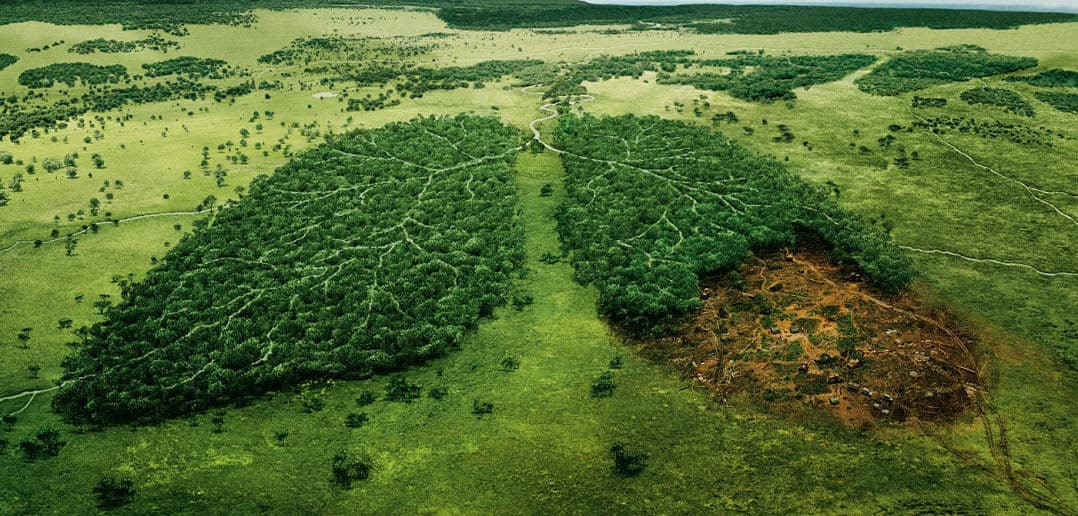
Why Urban Forests Matter
1. Environmental Benefits
-
Climate Mitigation: Absorb 15-20% of urban CO₂ emissions (US Forest Service)
-
Pollution Control: 1 hectare removes 10-15 kg of PM2.5 daily
-
Heat Island Effect: Reduce temperatures by 2-5°C in concrete-heavy areas
2. Biodiversity Havens
-
Support 40% of urban bird species (Delhi Ridge case study)
-
Act as corridors for wildlife (e.g., leopards in Mumbai’s Aarey)
3. Socio-Cultural Value
-
Improve mental health (WHO: Green spaces reduce stress by 30%)
-
Preserve heritage (e.g., Bengaluru’s sacred groves)
Threats & Legal Battles
| Forest | Threat | Judicial Action |
|---|---|---|
| Kancha Gachibowli | 400-acre industrial takeover | SC halted demolition in 2024 |
| Aarey (Mumbai) | Metro car shed | NGT imposed ₹2cr penalty for illegal felling |
| Tuneballi (Bengaluru) | Road expansion | High Court stay order in 2023 |
Key Legal Safeguards:
-
Article 21 (Right to Healthy Environment)
-
National Green Tribunal Act, 2010
-
SC’s 1996 “Precautionary Principle” ruling
Policy Interventions
1. Nagar Van Yojana (2020-2027)
-
Target: 1,000 urban forests
-
Progress: 144 sq km added (ISFR 2023)
-
Gaps: Only 23% of cities have implemented plans
2. Judicial Activism
-
Recent rulings emphasize “intergenerational equity”
-
Courts ordering 1:10 compensatory afforestation
Way Forward
-
Citizen Action
-
Adopt-a-tree programs (Chennai model)
-
Community monitoring via apps like “Urban Green Watch”
-
-
Urban Planning Reforms
-
Mandate 15% green cover in master plans
-
Tax incentives for vertical gardens
-
-
Corporate Responsibility
-
CSR funds for forest maintenance
-
PPP models like Delhi’s “City Forests Project”
-
Conclusion
As India urbanizes at 3% annually, protecting urban forests is no longer optional but a survival imperative. The Kancha Gachibowli case must catalyze nationwide action to balance development with ecology—before our cities become unlivable concrete heat traps.
5 Key Questions
Q1: How do urban forests combat air pollution?
A1: They absorb PM2.5/PM10 and CO₂—1 hectare cleans air for 5,000 people daily.
Q2: What constitutional provisions protect urban forests?
A2: Article 21 (right to life includes clean environment) and Article 48A (state’s duty to protect nature).
Q3: Why did the Supreme Court save Kancha Gachibowli?
A3: Ruled Telangana’s industrial plan violated environmental justice principles.
Q4: How successful is Nagar Van Yojana?
A4: Created 144 sq km new forests but lags behind 1,000-target for 2027.
Q5: Can citizens legally challenge tree felling?
A5: Yes, under NGT Act 2010 and through PILs (as in Mumbai’s Aarey case).

