
The Need for Gender Equity in Urban Bureaucracy
Why in News?
As India undergoes rapid urbanisation—with over 800 million people expected to live in cities by 2050—the issue of gender equity in urban governance and bureaucracy has come into sharp focus. Despite progressive constitutional reforms ensuring representation for women in local governance, their participation in administrative decision-making, especially in urban planning and budgeting, remains minimal. 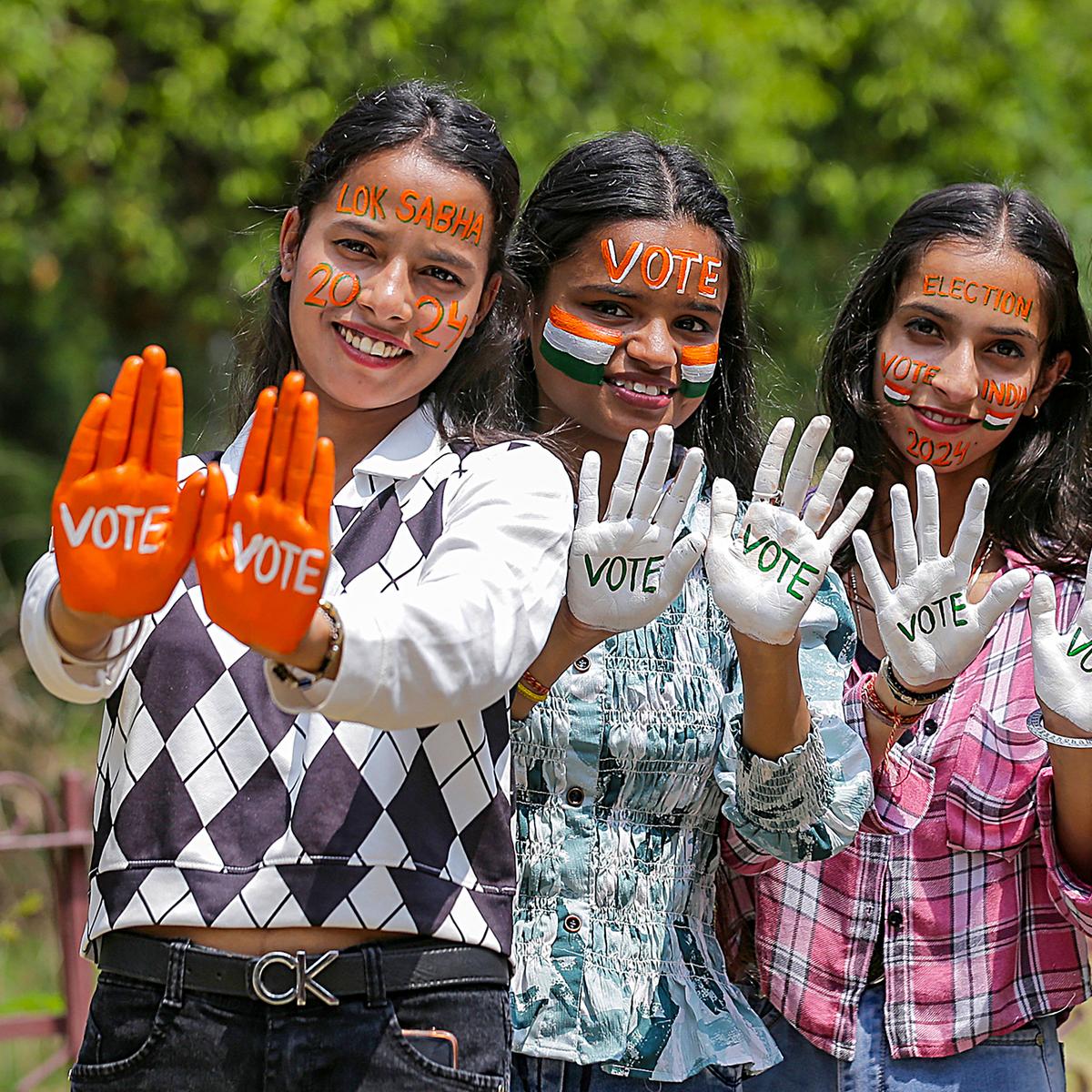
Introduction
Urbanisation in India is reshaping the democratic and development narrative. The 73rd and 74th Constitutional Amendments have already provided legal backing for women’s participation in local governance. While rural governance shows 50% reservation for women across Panchayati Raj Institutions (PRIs), urban local bodies (ULBs) lag behind, with women occupying only 46% of elected local representatives (as per Ministry of Panchayati Raj 2022).
However, the presence of women in urban executive roles—city managers, municipal commissioners, urban planners, and administrative heads—remains extremely limited, impeding the goal of inclusive, citizen-centric development.
Key Issues and Institutional Concerns
1. Gender Gaps in Urban Administration
While women’s representation in grass-roots politics has increased due to constitutional mandates, the gender gap persists in urban bureaucracies. As of 2022:
-
Only 13% of the country’s municipal commissioners were women.
-
12% women served as municipal engineers.
-
7% women held town planning officer roles.
These gaps directly impact urban planning outcomes, especially in public transport, safety, mobility, and accessibility for women.
2. Gender-Responsive Budgeting (GRB): A Missed Opportunity
India adopted Gender Budgeting in 2004, yet implementation at the urban level is weak:
-
Municipal GRBs rarely translate into gender-sensitive policies.
-
For example, Tamil Nadu and Kerala both introduced GRBs in ULBs with initiatives like public lighting and sanitation.
-
However, audits and evaluations show little real-world transformation due to lack of capacity, poor data systems, and weak accountability.
3. Planning Without Inclusion
The 2019 Safetipin audit found that:
-
Though 84% of women in Delhi and Mumbai used public transport, less than 60% felt safe in public areas.
-
Urban planning often ignores neighbourhood-level mobility and safety.
-
Studies by ICRIER and UN Women show that officials tend to prioritise “value-neutral” areas like law enforcement and utilities, overlooking women’s needs in safety, childcare, mobility, and access.
Challenges and the Way Forward
Global Lessons and Examples
-
Brazil, Rwanda, South Korea, and Philippines have institutionalised GRBs to great effect, embedding them into approval systems and local planning.
-
Mexico ties GRBs to results-based performance.
-
South Africa links GRBs to participatory planning, making cities more inclusive.
-
Rwanda mandates gender integration in local project approvals.
Steps India Must Take
-
Build capacities within ULBs to design gender-inclusive policies.
-
Institutionalise GRB audits and link them to urban funding.
-
Encourage women’s participation in urban planning and not just elected roles.
-
Empower city governments to act on gender-disaggregated data.
-
Promote mentorship, training, and leadership opportunities for women within the bureaucracy.
Conclusion
India’s cities are growing rapidly and expected to be the centre of economic and policy activity. If urban spaces are to be truly inclusive, they must be planned, managed, and governed with the active participation of women—not just as elected members but also as administrative decision-makers. Gender equity must be a foundational principle of urban development. If we want to build cities that are safer, more inclusive, and better designed for all citizens, we must begin by building them with women.
Q&A Section
1. What percentage of women held municipal commissioner roles in 2022?
Only 13% of municipal commissioners in India were women in 2022.
2. What is Gender-Responsive Budgeting (GRB), and how well has India implemented it in urban areas?
GRB refers to budgeting that takes gender into account. Although introduced in 2004, India’s urban GRB implementation is weak due to poor data, lack of accountability, and limited administrative capacity.
3. Why is underrepresentation in urban planning a problem for women?
It leads to poor design in safety, transport, and public spaces. For example, over 84% of women in Delhi and Mumbai use public transport, yet feel unsafe due to poor infrastructure planning.
4. Which global examples can India learn from regarding gender in urban governance?
India can learn from Rwanda, Brazil, South Africa, South Korea, and the Philippines, where GRBs are integrated into participatory budgeting and local planning systems.
5. What steps are recommended to improve gender equity in urban bureaucracies?
-
Institutionalise GRBs in urban budgets
-
Increase women’s presence in decision-making roles
-
Use gender-disaggregated data
-
Strengthen city-level accountability and leadership development

