
Supreme Court Bail Order in Ali Khan Case, A Threat to Free Speech?
Why in News?
The Supreme Court’s recent bail order for academic Ali Khan Mahmudabad—while granting relief—has raised serious concerns about shrinking civil liberties in India. The Court’s conditions (surrendering passport, writing restrictions) effectively punish Khan pre-trial, setting dangerous precedents for free speech protections under Article 19. 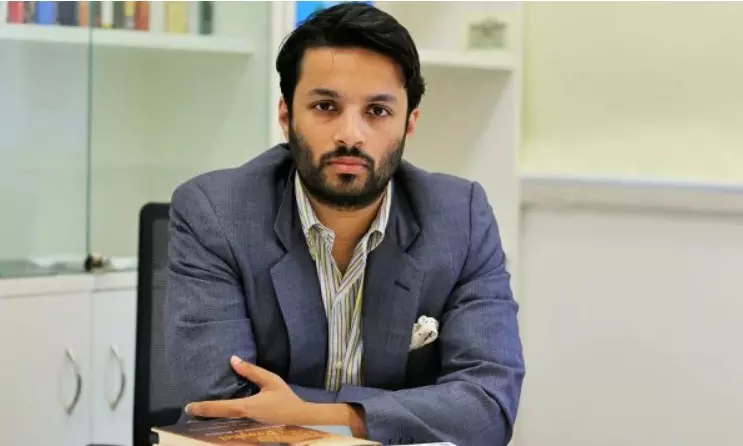
Key Issues in the Judgment
1. Problematic Bail Conditions
-
Passport Surrender: Restricts movement without conviction
-
Writing Ban: Direct infringement on academic expression
-
SIT Formation: Police officers interpreting academic speech (unprecedented for bail cases)
2. Legal Paradoxes
-
Presumption of Guilt: Conditions imply Khan must prove innocence
-
Procedure as Punishment: 18-month legal ordeal for a social media post
-
Patriotism Test: Courts indirectly validating state’s “virtuous speech” doctrine
3. Comparative Jurisprudence
| Case | Free Speech Protection | 2024 Khan Case |
|---|---|---|
| Shreya Singhal (2015) | Struck down vague speech laws | Implicitly allows content policing |
| Romila Thapar (2018) | Protected academic freedom | Restricts academic expression |
Broader Implications
1. Chilling Effect
-
Academics/activists may self-censor due to fear of legal harassment
-
UGC reports 42% drop in political discourse at universities since 2020
2. Institutional Concerns
-
Judiciary’s reluctance to curb executive overreach (contrary to Kesavananda Bharati spirit)
-
Normalization of “process as punishment” tactic (average 3.5 years for bail in UAPA cases)
3. Global Standing
-
India’s press freedom rank fell to 161/180 (RSF 2024)
-
UN Special Rapporteurs flag “judicial complicity” in rights violations
Way Forward
-
Judicial Reforms
-
Clear guidelines against pre-trial speech restrictions
-
Fast-track benches for free speech cases
-
-
Legislative Action
-
Amend UAPA/Section 124A to prevent misuse
-
Codify “prior restraint” doctrine (US-style First Amendment protections)
-
-
Civil Society Vigilance
-
Document chilling effect cases (like Khan’s)
-
Advocate for academic freedom charters
-
Quote: “When bail conditions become ideological censorship tools, the Constitution’s promise dies by procedural violence.” – Legal Scholar
5 Key Questions
Q1: Why is the Khan case significant beyond bail?
A1: It legitimizes punishing speech pre-conviction through backdoor restrictions.
Q2: How does this differ from past SC free speech rulings?
A2: Contrasts with Shreya Singhal’s robust protections—now courts allow “virtue tests” on speech.
Q3: What’s wrong with the SIT formation?
A3: Police shouldn’t arbitrate academic speech—sets precedent for thought policing.
Q4: How does this affect India’s democracy?
A4: Erodes institutional checks on executive power, normalizes legal harassment.
Q5: What can citizens do?
A5: Support PILs challenging speech restrictions, demand parliamentary accountability.

