
Powering the Future, Why India Needs Bigger and Bolder Renewable Energy Plans
Why in News?
India’s electricity demand is surging due to rapid economic growth and increasing usage of electric vehicles, hydrogen production, cooling systems, and industrial activities. While the government’s plan to install 500 GW of non-fossil energy by 2030 is significant, experts believe that the target may still fall short of India’s growing needs. 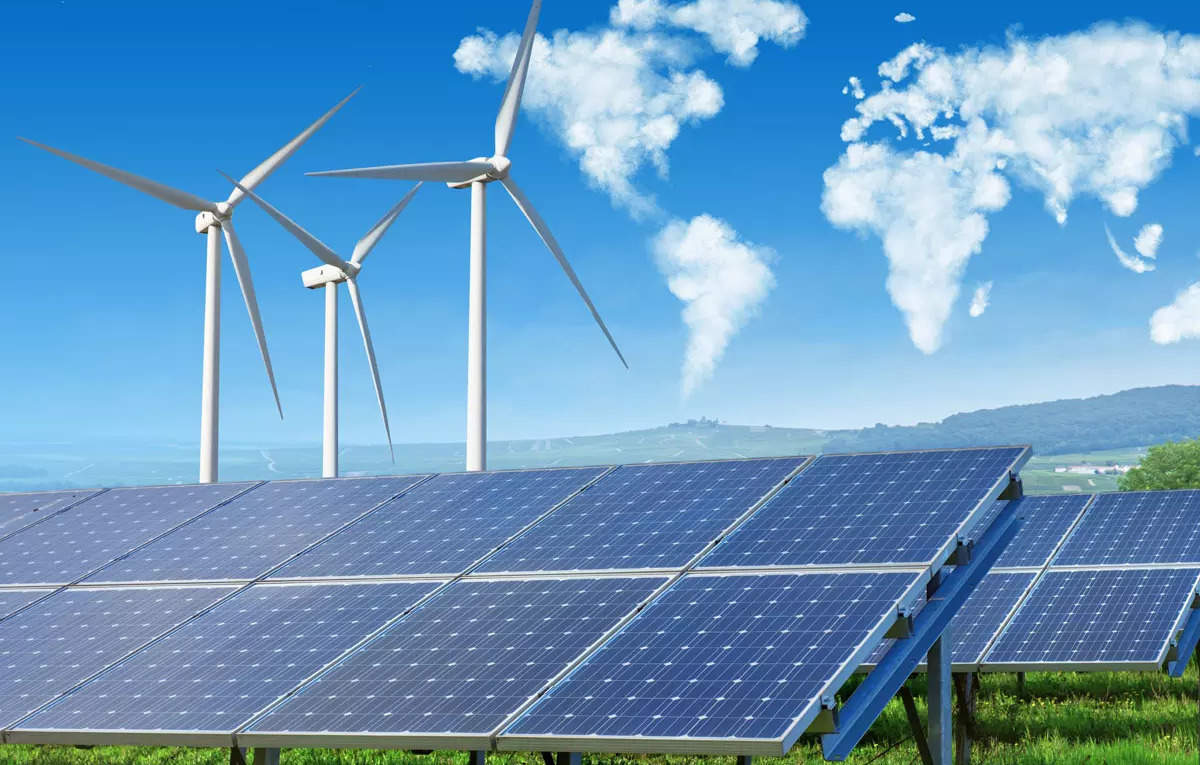
Introduction
The transition to renewable energy is at the heart of India’s climate action and energy security goals. While 500 GW by 2030 sounds ambitious, new research shows it may not be enough to match even the incremental electricity demand if India’s economic growth and electrification continue at their current pace.
Key Issues
1. Insufficient Renewable Goals
Analysis by CSEP shows that even under modest economic growth, the 500 GW target will fall short of what’s needed just to meet rising electricity demand. More energy will be required to accommodate growth, cooling, mobility, and industrialization.
2. Narrow Policy Focus
Currently, the focus is heavily skewed toward solar energy, which appears cheaper on paper. But solar alone won’t meet peak-time energy demands, especially in the evening and night. A balanced approach including wind, hydro, and storage systems is essential.
3. Lack of Grid Flexibility and Storage
Renewable energy varies by time and season. Without adequate storage systems, grid flexibility, and backup power, the country risks energy shortages during non-solar hours.
4. Underestimating Electrification Impact
As electric vehicles, green hydrogen production, and cooling become widespread, electricity demand will rise sharply. This calls for a much higher investment in diversified renewables and supportive infrastructure.
5. Integration Challenges
Building renewable capacity isn’t enough. India also needs better forecasting tools, real-time data, demand-supply balancing systems, and grid integration of distributed energy sources.
Alternative Approaches
-
Shift to Portfolio-Based Planning: Instead of only focusing on solar, India should aim for a mix that includes wind, hydro, and energy storage.
-
Enhance Storage Investments: Support for battery storage, pumped hydro, and grid-flexibility tools is essential for round-the-clock renewable use.
-
Improve Demand Forecasting: Invest in better energy demand prediction systems for planning and integration.
-
Align Policies with Future Demand: Renewable goals should reflect anticipated electricity usage growth, not past demand patterns.
Challenges and the Way Forward
-
Financial Constraints: Renewable infrastructure and storage systems require high initial capital.
-
Land and Infrastructure Bottlenecks: Installation of large-scale solar or wind farms requires land, access to transmission, and grid connectivity.
-
Policy and Market Gaps: Lack of market incentives for flexible power sources and delayed reforms in electricity distribution.
India needs to adopt a future-ready policy, focusing on end-use sectors (transport, industries, homes), smart grids, and time-based pricing for electricity. A broader and more dynamic approach is the only way to ensure energy security and climate goals are met simultaneously.
Conclusion
India’s current renewable energy goals, though ambitious on paper, are not aligned with future realities. A forward-looking, diversified energy strategy focusing on integration, flexibility, and demand alignment is essential. A more ambitious target, supported by smarter policy and technology, will help India truly lead in the global clean energy race.
5 Q&A Based on the Article
Q1. What is India’s current renewable energy target for 2030?
A: India plans to install 500 GW of non-fossil energy capacity by 2030.
Q2. Why might the 500 GW target fall short?
A: Due to increasing demand from electrification, cooling, hydrogen production, and industrial growth, 500 GW may only meet incremental needs and not the actual rising demand.
Q3. What are the key challenges in integrating renewable energy into the grid?
A: Challenges include variability of solar and wind power, lack of storage systems, insufficient grid flexibility, and weak forecasting tools.
Q4. Why is a solar-only focus not ideal?
A: Solar power peaks during the day and drops in the evening, which doesn’t align with peak usage hours. A balanced energy mix is needed to ensure round-the-clock supply.
Q5. What steps should India take to meet its growing energy demand sustainably?
A: India must diversify its renewable portfolio, invest in storage and smart grids, use better forecasting, and align policies with future, not past, demand patterns.

