
Military Standoffs and Aviation, How Airspace Closures Impact Global Travel
Why in News?
Recent tensions between India and Pakistan following the April 22 Pahalgan terror attack have led to reciprocal airspace closures, disrupting civilian flights and costing the aviation sector an estimated ₹7,000 crore. This mirrors historical patterns where bilateral conflicts trigger NOTAMs (Notices to Airmen), highlighting the fragile intersection of geopolitics and aviation. 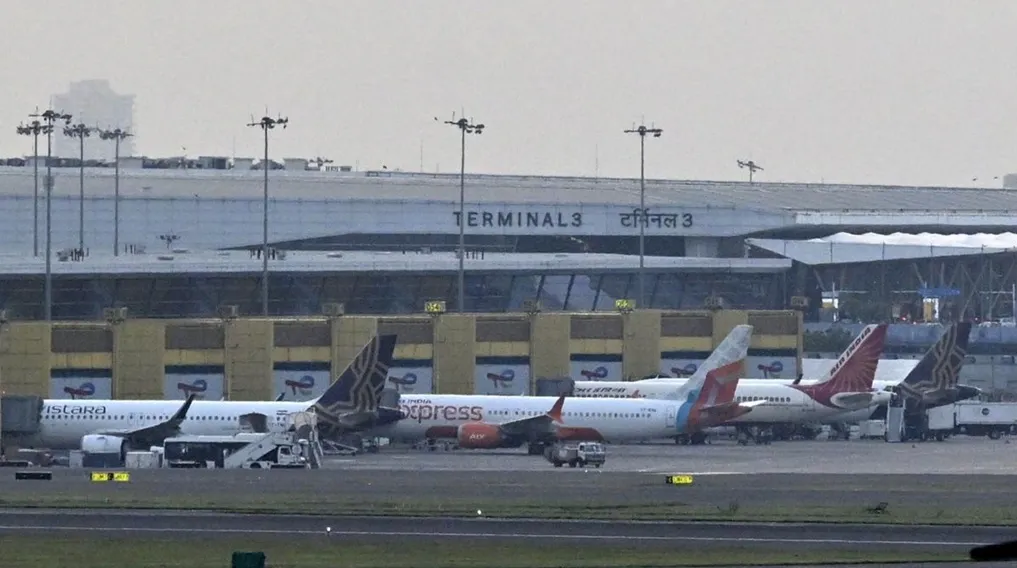
Key Developments
-
Current Airspace Closures:
-
Pakistan’s NOTAM (April 24–May 23): Banned Indian aircraft over northern/southern routes and parts of the Arabian Sea.
-
India’s Counter-NOTAM (April 30–May 23): Imposed similar restrictions.
-
Post-Operation Sindoor: Both nations issued fresh closures (till June 23/24), though some foreign airlines resumed overflights.
-
-
Historical Precedents:
-
1965 War: Airspace reopened after diplomatic agreements but with detours (e.g., Pakistan’s 2,000-mile Ceylon route to Dhaka).
-
1971 Hijacking Crisis: India banned all Pakistani overflights until compensation was paid, leading to a World Court case.
-
2019 Balakot Strikes: Prolonged closures forced 500+ flight reroutes overnight.
-
-
Operational Chaos in 2025:
-
32 Indian airports temporarily shut; 25 ATS routes suspended.
-
Traffic funneled through limited waypoints (e.g., Mumbai-Muscat FIRs), increasing peak-hour movements by 30%.
-
Impact on Civilian Aviation
-
Economic Losses: ₹7,000 crore (2025 estimate) for Indian airlines due to rerouting and fuel costs.
-
Passenger Disruptions: Extended flight times (e.g., Europe-Asia routes adding 90+ minutes via China’s restricted airspace).
-
Safety Risks: Congested alternate routes challenge air traffic management (e.g., maintaining minimum separation standards).
International Law and Political Realities
-
ICAO Framework: Mandates non-discriminatory airspace access but allows closures for “national security.”
-
Enforcement Challenges: As seen in 1971, legal rulings (e.g., World Court’s 14-2 vote) require political will to implement.
-
Diplomatic Solutions: Past resolutions (e.g., 1976 India-Pakistan MoU) show closures are temporary but recurrent.
5 Critical Questions Answered
Q1: Can countries legally close airspace during conflicts?
A: Yes, under ICAO Article 9, but closures must be non-discriminatory and justified by security needs.
Q2: Are civilian flights always affected?
A: Typically yes—both military and civilian bans occur, as seen in India-Pakistan’s 2025 NOTAMs.
Q3: How do airlines adapt?
A: Rerouting (e.g., via Muscat FIRs) or cancellations, increasing costs and delays.
Q4: What was unique about Operation Sindoor’s impact?
A: Temporary reopening saw 500+ aircraft movements in a day, straining air traffic systems.
Q5: Can international law enforce airspace access?
A: Limited—ICAO rulings depend on bilateral cooperation, often overridden by political tensions.
Conclusion
Airspace closures remain a potent tool in geopolitical standoffs, with civilian aviation paying the price. While history shows eventual normalization, recurring India-Pakistan tensions underscore the need for crisis-proof aviation diplomacy. For now, airlines brace for turbulence as political winds dictate flight paths.
— With inputs from aviation experts and historical archives

