

Kamal Haasan Remark on Kannada Sparks Political Uproar, An Overreaction or a Language Debate?
Why in News?
A statement by actor-politician Kamal Haasan claiming that Kannada “was born out of Tamil” has triggered a sharp backlash in Karnataka. However, many argue that the outrage is excessive, raising deeper questions about language politics, historical interpretations, and India’s linguistic unity in diversity. 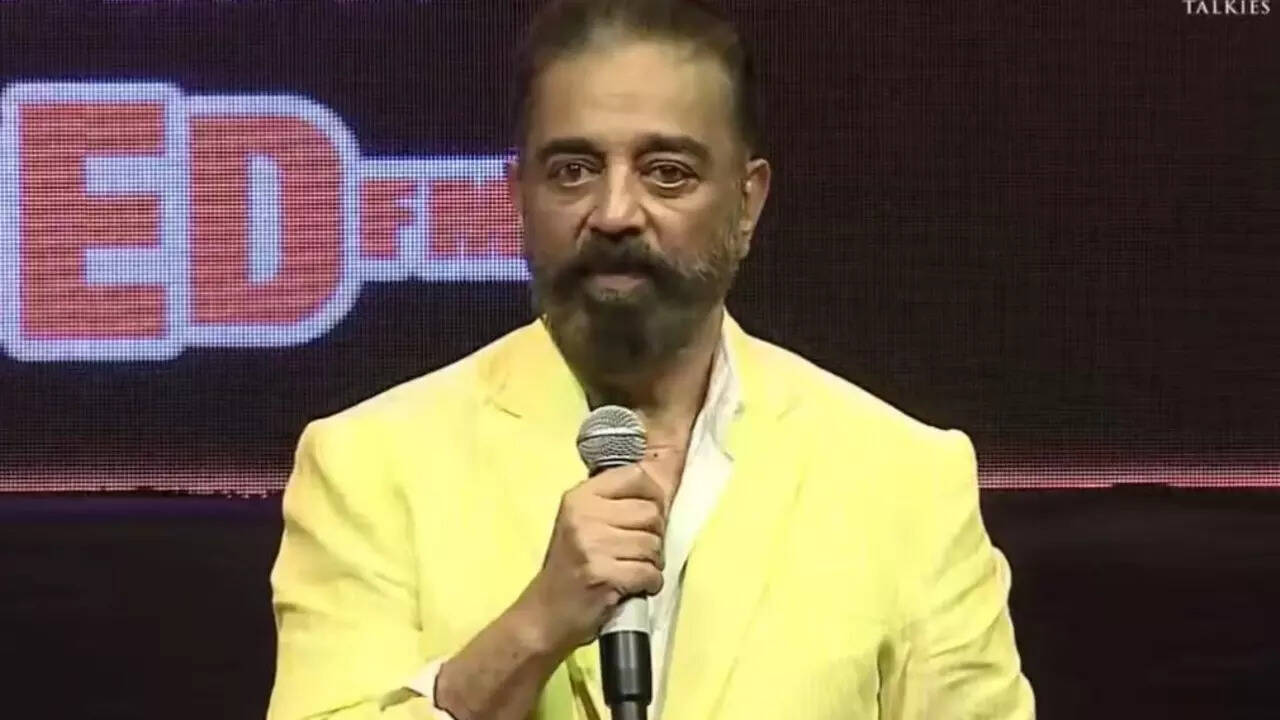
Introduction
The controversy began after Kamal Haasan remarked on the historical evolution of Kannada, claiming its roots in Tamil. This statement, whether meant academically or casually, drew criticism from Kannada activists and even reached the Karnataka High Court. It highlights how language identity is often a sensitive and politicized issue in Indian discourse.
Key Issues and Reactions
-
Judicial Scrutiny: The High Court advised Haasan to appear in court and clarify his remarks, questioning if he was a “historian, linguist or judge” to make such claims.
-
Political & Social Response:
-
Kannada activists, film chambers, and pro-Kannada groups like Karnataka Rakshana Vedike were quick to protest.
-
The Karnataka Chamber of Commerce distanced itself from the statement, emphasizing regional pride and cultural sensitivity.
-
-
Film Industry & Cultural Impact: The language debate reached the cinema industry, especially Haasan’s upcoming film Thug Life, sparking demands for bans.
Underlying Themes
-
Language and Identity Politics: The conflict isn’t just about linguistic origin; it reflects a deeper South Indian linguistic pride, especially in states like Karnataka and Tamil Nadu.
-
Pan-Indian Linguistic Tensions: There is a broader pattern of sensitivities in non-Hindi speaking states against perceived linguistic impositions, especially around Hindi or other dominant languages.
-
Misplaced Priorities? The editorial questions if such intense reactions over comments like Haasan’s distract from more critical governance, development, or cultural collaboration.
Challenges and the Way Forward
-
Need for Scholarly Dialogue: Such historical claims should be debated through academic platforms, not political courts.
-
Avoiding Regional Polarization: Language should unite, not divide. Leaders need to focus on inter-state cooperation and respect diverse historical interpretations.
-
Cosmopolitan Engagement: In a globally connected India, linguistic chauvinism may hinder multiculturalism and national progress.
Conclusion
The Kamal Haasan controversy reveals how language continues to be a flashpoint in Indian identity politics. While cultural pride is important, overreaction to intellectual or artistic expression risks suppressing dialogue and diversity. India must navigate such issues with a broader, inclusive imagination—where questions aren’t silenced but discussed openly and constructively.
Q&A Section
Q1. What did Kamal Haasan say that caused controversy?
He said that Kannada was “born out of Tamil”, which many viewed as historically inaccurate and culturally insensitive.
Q2. How did the Karnataka High Court respond?
The Court asked Kamal Haasan to appear and questioned whether he was qualified to make such a statement.
Q3. What was the reaction from the Kannada-speaking community?
There was widespread backlash from Kannada activists, film chambers, and business groups, including protests and calls to ban his film Thug Life.
Q4. What deeper issues does this controversy reveal?
It reflects India’s complex language politics, regional sensitivities, and the struggle between cultural pride and national unity.
Q5. What is the suggested solution according to the editorial?
The editorial recommends promoting academic discussion, cultural sensitivity, and cosmopolitan thinking instead of reacting with outrage.

