
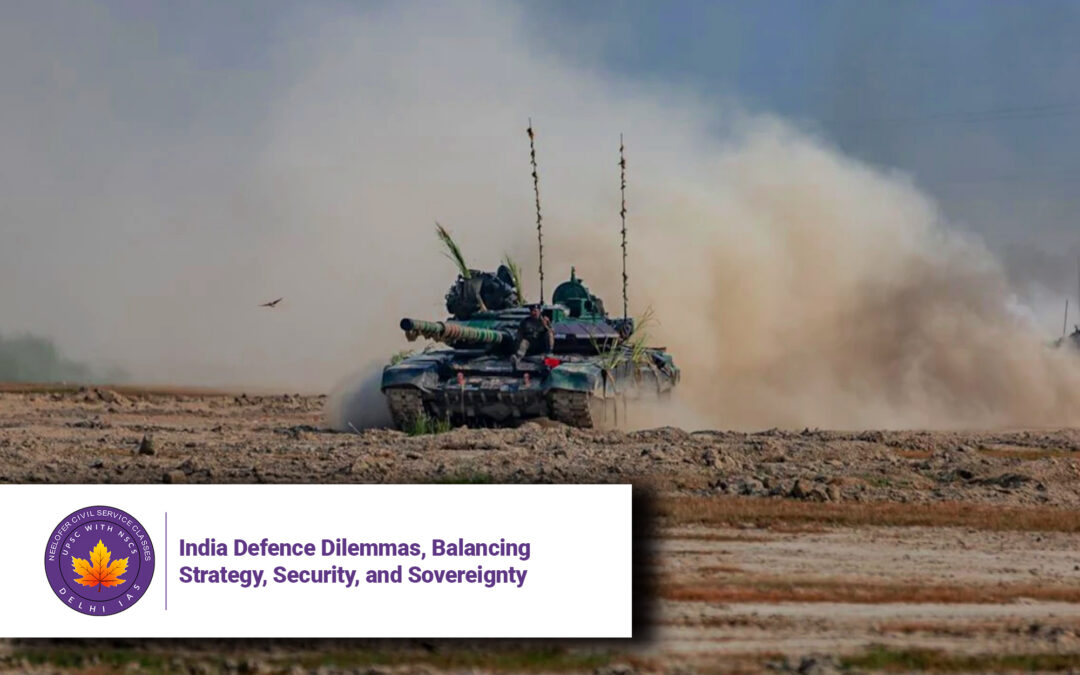
India Defence Dilemmas, Balancing Strategy, Security, and Sovereignty
Why in News?
The tragic massacre of innocents in Gaza and Operation Sindoor, a recent Indian military exercise, have brought India’s defence strategy and preparedness into sharp focus. With a deteriorating regional and global security environment, India now faces urgent questions on military modernisation, strategic autonomy, and defence diplomacy. 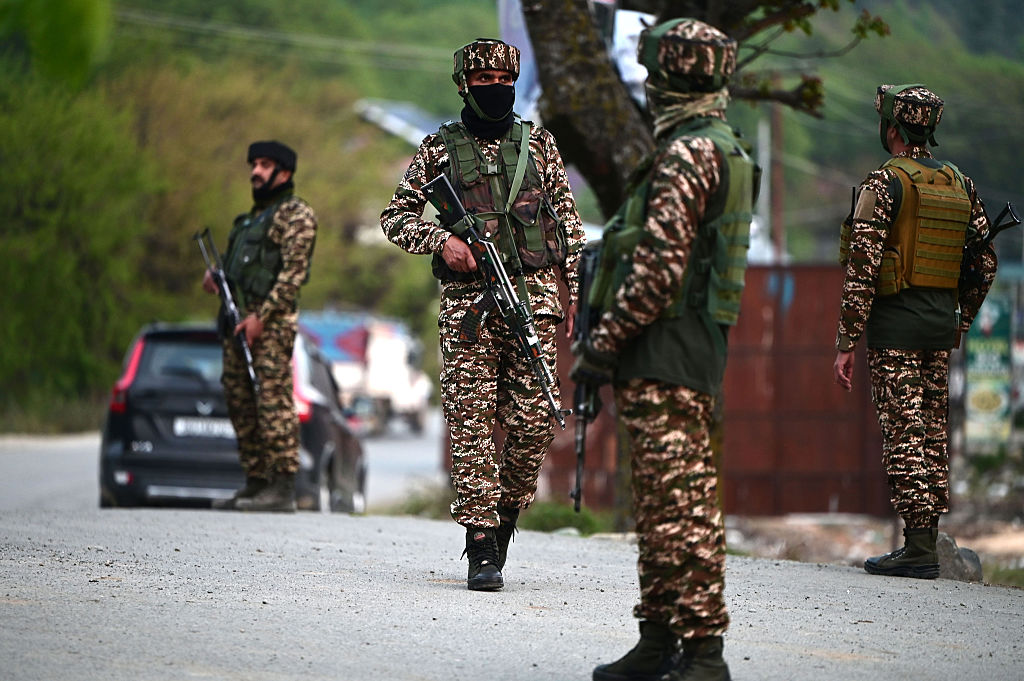)
Introduction
India today is surrounded by increasing military threats — from an aggressive China, an unstable Pakistan, and a shifting global defence supply chain. The Russia-Ukraine war has triggered significant realignments, while India’s dependency on Russia for critical defence equipment is under scrutiny. Against this backdrop, Operation Sindoor has raised vital questions: Is India adequately prepared for a two-front war? Should we build or buy more weapons? How should India handle its strategic partnerships?
Key Highlights of the Issue
1. Threat from Pakistan and China
-
China is arming Pakistan with drones and air defences.
-
India is witnessing hybrid warfare in the region, including threats in the Indian Ocean and borders with Pakistan.
-
There’s a potential for escalation, demanding short-term defensive options as well as long-term capacity building.
2. India’s Strategic Dependence
-
India depends heavily on Russia for its defence equipment and spare parts.
-
However, Russia’s priorities have shifted due to its ongoing war with Ukraine, impacting its ability to support India’s needs promptly.
-
Western countries like France, USA, and Israel are alternative options, but they often come with strings attached (e.g., end-use monitoring, source codes, etc.).
3. The Build vs Buy Dilemma
-
India’s current strategy includes both buying from external suppliers and building domestically.
-
Projects like Tejas fighter jets, INS Arihant, and missile development show promise but are slow and underfunded.
-
The need for quick acquisition vs. self-reliance (Aatmanirbharta) has become a pressing policy debate.
4. The ‘Overstretch’ Risk
-
India risks spreading itself too thin with commitments across fronts like:
-
LAC with China
-
LOC with Pakistan
-
Indian Ocean Region
-
-
Simultaneously managing multiple fronts without sufficient naval and air power could compromise readiness.
Conclusion
India must urgently review its defence strategy. While Aatmanirbhar Bharat remains essential, the current geopolitical environment demands agility, flexibility, and preparedness. India should continue building indigenous capabilities but also secure strategic deals with trusted global partners without compromising national interests.
Operation Sindoor should not just be a military drill — it must become a wake-up call for holistic strategic reform.
Q&A Section
Q1. What is Operation Sindoor and why is it significant?
Operation Sindoor is a recent Indian military exercise that has raised concerns about India’s defence preparedness, particularly in light of worsening global and regional threats.
Q2. Why is India facing a defence dilemma now?
India is simultaneously dealing with aggressive posturing from China and Pakistan, reliance on Russian arms, and the challenges of self-reliant defence manufacturing.
Q3. What is the build vs buy dilemma in defence?
India must choose between building its own defence systems (self-reliance) and buying from foreign suppliers for quick upgrades. Each has pros and cons in terms of cost, control, and speed.
Q4. How has the Russia-Ukraine war impacted India’s defence?
The war has delayed deliveries and support from Russia, affecting India’s military readiness and maintenance schedules for critical systems.
Q5. What should India focus on for future defence readiness?
India must strengthen indigenous manufacturing, maintain strategic partnerships, and ensure it is not over-stretched across multiple fronts. Priority should also be given to critical sectors like air defence, cyber warfare, and naval strength.

