

India-China Relations at 75, A Strategic Balancing Act in a Complex Geopolitical Landscape
Why in News?
As India and China mark 75 years of diplomatic ties, experts urge that the occasion should not be just symbolic or emotional but must serve as a reminder for India to recalibrate its approach toward China with a clear-eyed strategic vision, especially amid rising regional and global tensions. 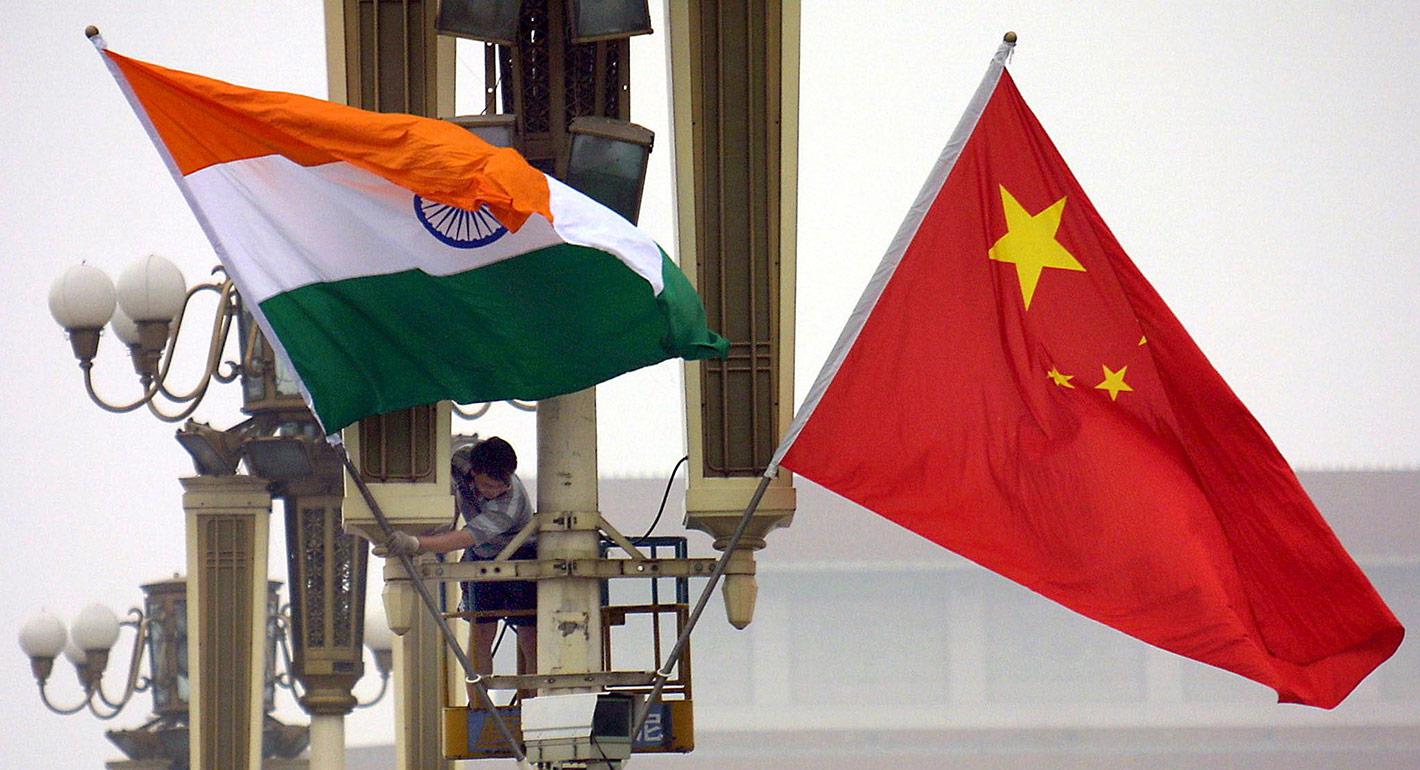
Introduction
The India-China relationship, deeply rooted in the broader Asian strategic and global context, has evolved through both cooperation and conflict. While bilateral engagement continues, underlying mistrust and sharp power competition have made it increasingly adversarial, particularly in the Indo-Pacific and Himalayan regions.
Key Issues and Background
The ‘China Lens’
India’s policies are often shaped through a “China lens” — a filter highlighting the China threat as central to national decision-making. This includes concerns over:
-
Territorial disputes (especially in Ladakh),
-
China’s role in India’s neighborhood,
-
Trade imbalances,
-
Military infrastructure development across borders.
Galwan Incident and the LAC Tensions
The 2020 Galwan clash marked a turning point. Over 60,000 Indian troops were deployed in response to Chinese aggression, making border stability a top security priority. India continues to build infrastructure along the LAC, aiming to match Chinese capabilities.
The Core of the Concern
China’s Expanding Influence
China’s presence from Sri Lanka’s Hambantota Port to Nepal’s Pokhara Airport shows its intent to establish regional dominance. Its military bases and economic influence in the Indian Ocean Region (IOR) pose long-term strategic challenges for India.
Hydrological and Environmental Concerns
India lacks a water-sharing treaty with China. Recent concerns include:
-
The impact of Chinese dams on Arunachal Pradesh rivers.
-
Lack of transparency on hydrological data.
-
Concerns about possible water weaponization.
Key Observations
The America Factor
India’s China strategy is influenced by its evolving relationship with the United States. While Trump’s administration took a hardline approach, future U.S. policies will continue to impact India’s geostrategic choices.
Need for Strategic Clarity
India must adopt a model of realism — not hostility — toward China. This includes being firm on core issues (like the LAC and regional influence) but open to dialogue, where possible.
Conclusion
India-China ties at 75 must move beyond symbolic gestures. India should focus on a multi-pronged strategy:
-
Military preparedness,
-
Economic self-reliance,
-
Diplomatic outreach,
-
Active regional partnerships.
The relationship is unlikely to return to “normal” soon — but a measured, non-sentimental approach will serve India’s long-term interests best.
Q&A Section
Q1. What is the main challenge in India-China relations today?
Ans: The main challenge lies in balancing engagement with China while countering its aggressive stance on border issues, infrastructure projects, and regional dominance.
Q2. How did the 2020 Galwan incident change India’s policy?
Ans: The Galwan clash triggered a military and infrastructure ramp-up, with over 60,000 troops deployed and a strategic shift in India’s border policies.
Q3. Why is water sharing a concern in India-China ties?
Ans: China’s dam-building and lack of hydrological data transparency threaten India’s river ecosystems, especially in Arunachal Pradesh.
Q4. How does China project influence in South Asia?
Ans: Through major infrastructure projects like ports and airports in Sri Lanka, Nepal, and the Maldives, China is expanding its geopolitical footprint.
Q5. What should be India’s approach toward China moving forward?
Ans: India must pursue realistic diplomacy, combining military readiness, economic self-reliance, and targeted engagement based on strategic interests rather than emotional sentiment.

