
ICJ Landmark Climate Ruling, Countries Legally Obligated to Act on Greenhouse Gas Emissions
Why in News
On July 24, the International Court of Justice (ICJ) issued a historic advisory opinion that countries are under a legal obligation to take steps to reduce greenhouse gas emissions. While the ruling is not legally binding, it is expected to significantly influence global climate litigation and international climate policies. 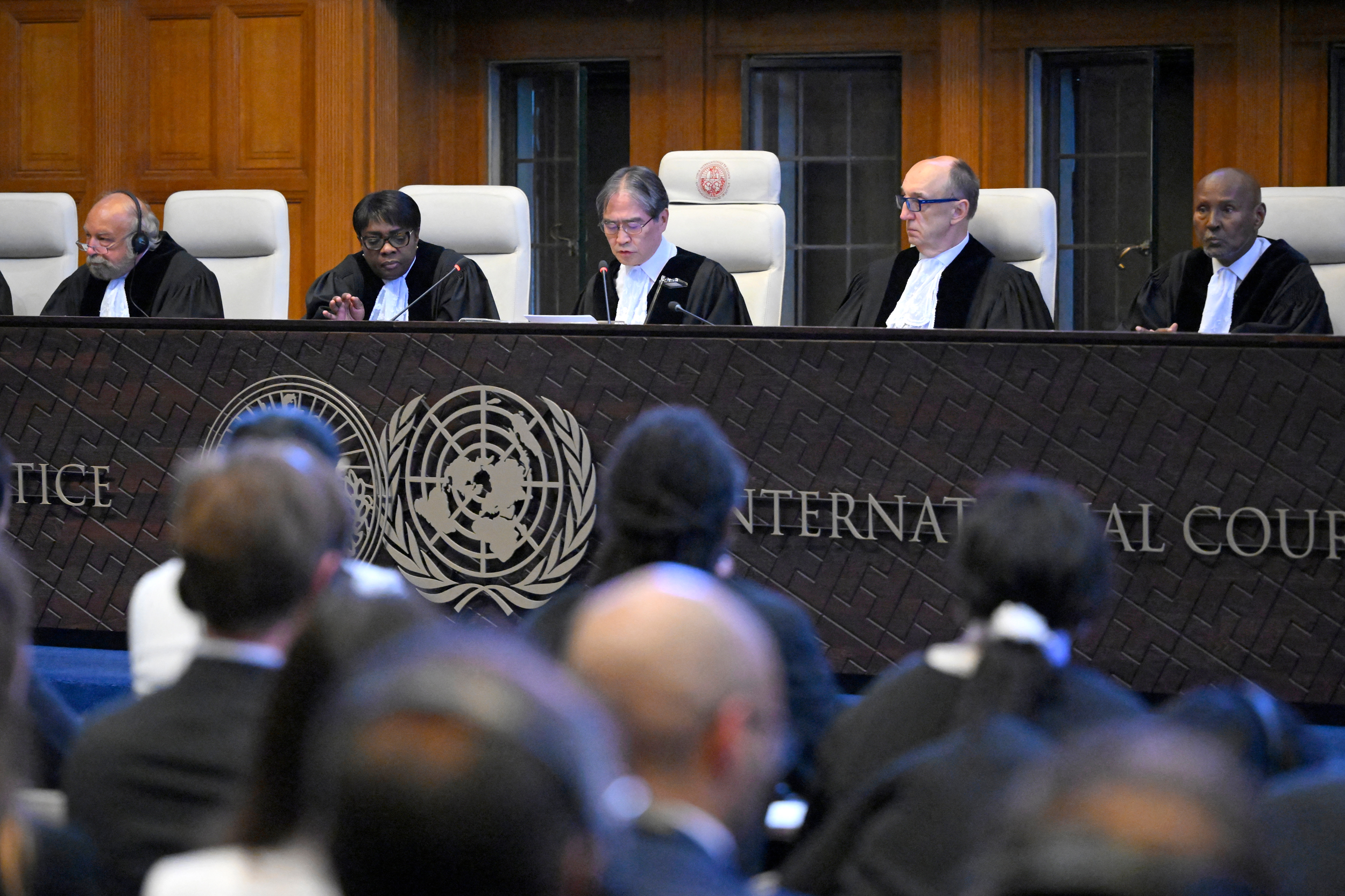
Introduction
The ruling, issued by the Hague-based ICJ, is a major development in global efforts to combat climate change. It emphasizes that climate action is not just a policy preference, but a legal duty under international law. It opens the door for climate-vulnerable nations to hold major emitters accountable, possibly even seeking compensation for damages caused by climate inaction.
The opinion came in response to a UN General Assembly resolution passed in March 2022, which asked the ICJ to clarify legal responsibilities of states concerning climate change under various international treaties.
Key Issues and Background
The Request
The UNGA asked the ICJ to address:
-
What are the obligations of countries under international law to protect the climate system?
-
What are the legal consequences for states that fail to meet these obligations?
Legal Basis
The ICJ examined key international climate frameworks:
-
UNFCCC (1992)
-
Kyoto Protocol (1997)
-
Paris Agreement (2015)
-
UNCLOS (Law of the Sea)
-
UN Declaration on the Rights of Indigenous Peoples
These treaties and conventions already recognized climate obligations, but none provided a clear legal accountability mechanism — until now.
Specific Impacts or Effects
1. Climate Obligations Become Legal Duties
-
Countries are legally obligated to take action to reduce emissions.
-
Climate change is no longer just a “policy choice” — it’s a legal requirement, especially for states that have contributed heavily to emissions.
2. Vulnerable Nations May Seek Compensation
-
Countries affected by climate change — called “injured states” — can now argue they are entitled to compensation or reparations.
-
ICJ recognized that failure to meet obligations constitutes a “wrongful international act”.
3. Strengthens Global Climate Lawsuits
-
Though advisory, this opinion will likely influence national and international courts in future rulings.
-
It reinforces the use of international law to fight climate inaction and push governments toward emission reduction.
4. Push for Climate Finance and Tech Support
-
The ICJ called for richer countries to finance low-carbon technologies and support developing nations in adapting to climate change.
-
It also acknowledged historical emitters’ responsibility for climate reparations.
Challenges and the Way Forward
1. Non-Binding Nature of the Ruling
-
ICJ’s advisory opinion does not enforce compliance.
-
It relies on political and moral pressure, not legal compulsion.
2. No Specific Consequences Outlined
-
The court did not list specific punishments for countries that don’t comply.
-
It is up to future legal mechanisms and international political will to make it actionable.
3. Resistance from Major Emitters
-
The US and some other developed countries have previously ignored or exited climate agreements like the Kyoto Protocol.
-
Resistance may persist, especially where domestic economic interests are at odds with emission cuts.
4. Dependence on Future Legal Action
-
The opinion’s strength lies in how it will be used in courts, climate negotiations, and policy formulation moving forward.
Conclusion
The ICJ’s ruling marks a turning point in global climate governance. By framing climate inaction as a violation of international law, it empowers climate-vulnerable countries to demand accountability, not just promises. It validates the claims of activists, scientists, and affected populations, reinforcing that climate justice is no longer just a moral issue — it is a legal necessity.
Though non-binding, the opinion is expected to accelerate global climate action, especially if international courts and national jurisdictions incorporate it into their legal decisions. In a world facing worsening climate crises, this ruling could be the spark needed to hold polluters accountable — legally.
5 Important Questions and Answers
1. What did the ICJ rule on July 24?
That countries are under a legal obligation to take action to reduce greenhouse gas emissions, based on international law.
2. Is the ruling legally binding?
No, it is an advisory opinion, but it carries strong moral and legal weight and can influence court decisions and global policy.
3. Can affected countries now claim compensation?
Yes, the ICJ acknowledged that failure to act could be seen as internationally wrongful, potentially opening the door for climate reparations.
4. Why is this ruling significant now?
It comes at a time when many developed countries have missed climate targets and as climate-related damages worsen globally.
5. Will this change how the world enforces climate agreements?
Potentially yes. It strengthens the legal basis for climate action and may push countries to treat climate obligations more seriously.

