
How Diet Shapes Healthy Aging, Key Insights from Global Studies
Why in News?
Recent research published in Nature and Nature Medicine highlights the critical role of plant-rich diets in promoting healthy aging. With over 80% of older adults suffering from chronic diseases, organizations like WHO and CDC emphasize dietary improvements to prevent heart disease, diabetes, and premature death.

The Science of Healthy Aging Diets
-
Mediterranean Diet:
-
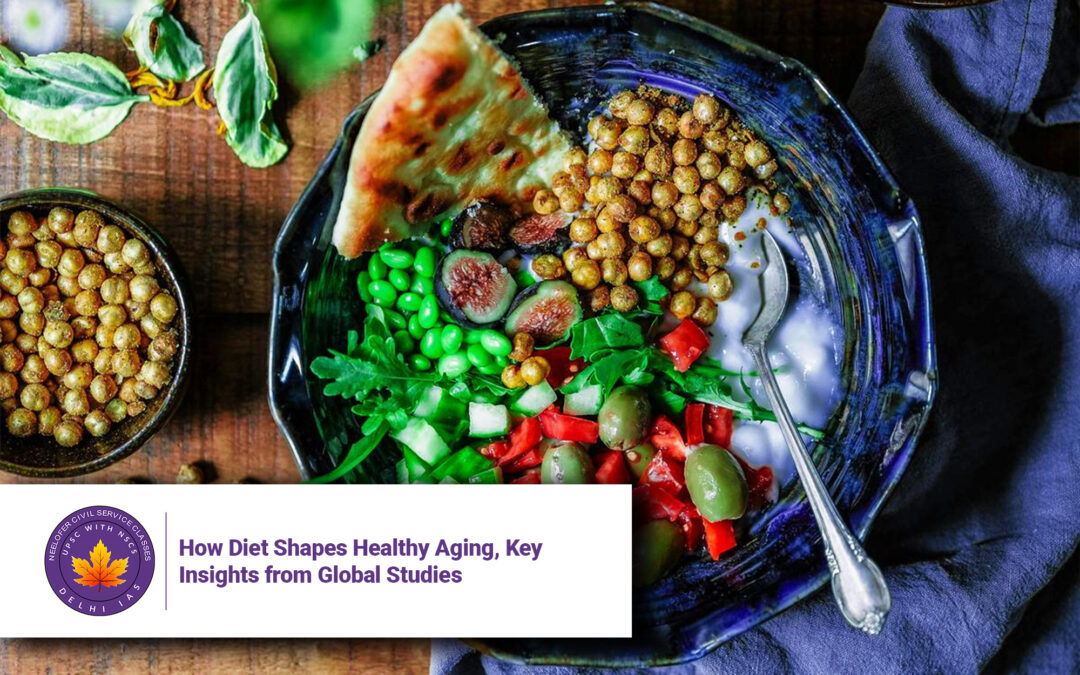
Key Components: Plant-based foods (vegetables, fruits, legumes, natural oils), moderate poultry/eggs, and minimal red meat.
-
Indian Parallel: Traditional meals with wheat/rice, dal, leafy greens, and curd mirror this diet. Studies confirm its association with longevity and reduced chronic diseases.
-
-
Landmark Studies:
-
30-Year Research (Nature Medicine): Tracking 100,000+ individuals revealed that fiber-rich, plant-based diets correlate with aging free of physical/cognitive decline.
-
Dietary Patterns Analyzed:
-
AHEI: Prioritizes greens, low sugar/fat, and cancer-preventive foods.
-
aMED: Adapts Mediterranean principles globally.
-
DASH: Focuses on blood pressure control.
-
MIND/DPD: Combats neurodegeneration via unprocessed, nutrient-dense foods.
-
-
Why This Matters for India
-
Rising Aging Population: India’s elderly (60+) will reach 194 million by 2031, escalating healthcare burdens.
-
Dietary Shifts: Urbanization increases processed food consumption, linked to diabetes and hypertension.
-
Policy Implications: Integrating traditional diets (e.g., millets, fermented foods) into public health guidelines could curb lifestyle diseases.
Actionable Recommendations
-
For Individuals:
-
Increase intake of leafy greens, pulses, and whole grains.
-
Limit red meat, refined sugars, and ultra-processed foods.
-
-
For Policymakers:
-
Promote nutrition education via Anganwadi/ASHA workers.
-
Subsidize fruits/vegetables to improve accessibility.
-
Challenges:
-
Socioeconomic barriers to healthy eating.
-
Cultural preferences for high-fat/sugar diets in some regions.
Conclusion
The evidence is clear: a plant-centric diet, supplemented modestly with animal proteins, is the cornerstone of healthy aging. For India, reviving traditional dietary wisdom alongside modern research could transform public health outcomes for its aging population.
5 Key Questions Answered
Q1: What is the Mediterranean Diet, and how does it benefit aging?
A: A plant-rich diet with olive oil, nuts, and lean proteins, linked to lower chronic disease rates and longevity.
Q2: How does the Indian diet compare to ideal aging diets?
A: Traditional meals (dal, greens, curd) align closely with Mediterranean principles.
Q3: Which dietary pattern helps prevent neurodegeneration?
A: The MIND diet, emphasizing berries, leafy greens, and whole grains.
Q4: What are the biggest dietary risks for aging populations?
A: High processed food intake, low fiber, and excessive red meat consumption.
Q5: How can India address diet-related aging challenges?
A: By promoting affordable access to native superfoods (millets, turmeric) and regulating unhealthy food marketing.

