
Centre Launches Outreach to Raise Awareness on Tribal Welfare Schemes, Challenges Remain
Why in News?
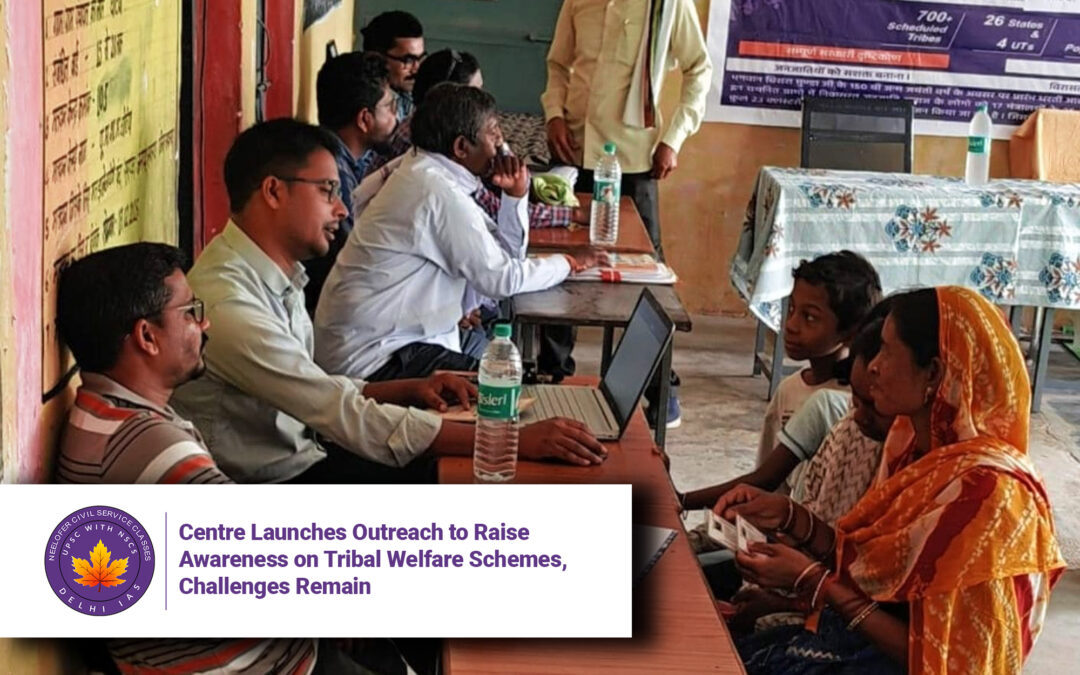
On June 15, 2025, the Ministry of Tribal Affairs launched a targeted outreach programme aimed at improving awareness and access to key government welfare schemes among tribal communities. The campaign focuses on disseminating information about two flagship schemes: PM JANMAN (Pradhan Mantri Janjati Adivasi Nyaya Maha Abhiyan) and DAGYUA (Dharti Aaba Janjatiya Gram Utkarsh Abhiyan). 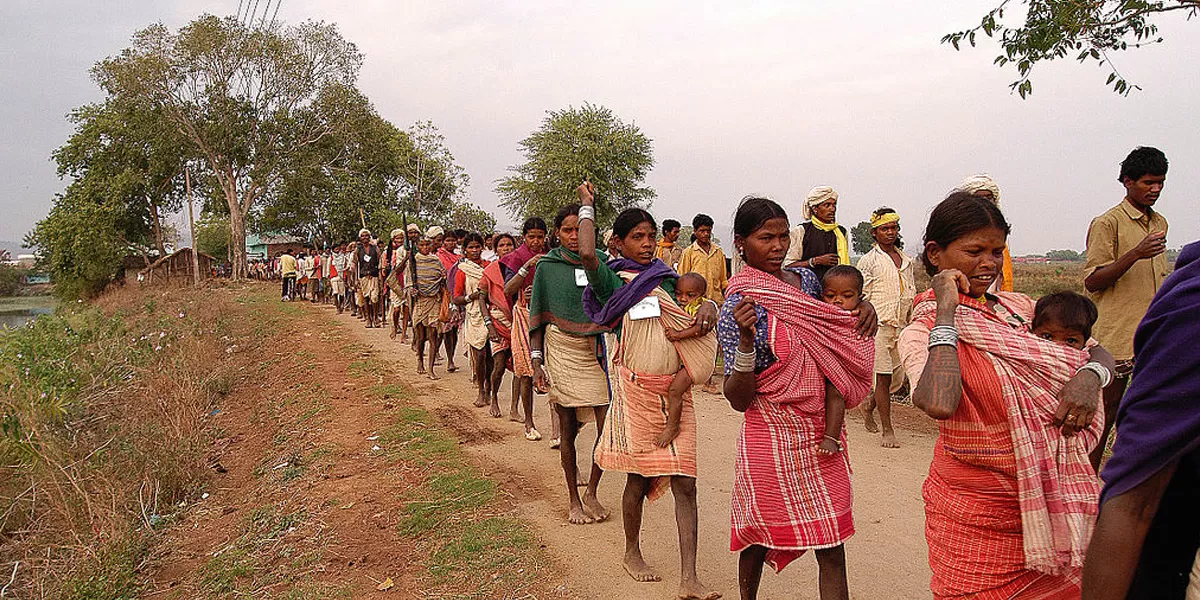
These schemes aim to bridge socio-economic gaps, enhance development, and uphold tribal rights, especially in areas like land ownership, governance inclusion, and social security. While the initiative is welcomed, it faces major on-ground challenges.
Introduction
The central government’s new outreach campaign seeks to ensure that tribal populations, especially those in remote or displaced regions, are aware of and can access vital schemes related to education, housing, health, land rights, and livelihood. The initiative also focuses on promoting “participatory governance through community mobilisation.”
Key Highlights
-
Schemes in Focus
-
PM JANMAN (2023): Targets the holistic development of 75 Particularly Vulnerable Tribal Groups (PVTGs) across 18 states and one Union Territory.
-
DAGYUA: Promotes decentralised governance and community-based development in tribal areas, backed by data from Aadhaar, Jan Dhan, and other welfare indicators.
-
-
Massive Awareness Gap
The Centre acknowledges a deep awareness gap between tribal populations and available schemes. Many eligible individuals are unaware of their rights. -
Challenges with Documentation and Landlessness
Lack of official documents like Aadhaar and caste certificates, as well as landlessness, prevent large sections of the tribal population from availing the benefits. -
Data and Displacement Concerns
A 2024 survey in Pune’s Katkari community revealed that even with awareness, displaced tribal communities still face barriers in accessing schemes. -
PM’s Call for Reforms
Prime Minister Narendra Modi emphasized the urgency of addressing tribal land rights and effective governance. President Droupadi Murmu has also flagged delays in land allotment for tribal households.
5 Key Observations
-
Nearly 63.8 lakh tribal families are eligible for benefits, but many remain unaware or unregistered.
-
The lack of land ownership and official documents like Aadhaar remains a major barrier.
-
Displacement due to infrastructure projects (e.g., Dimbhe Dam) continues to marginalize tribal communities.
-
Outreach campaigns must be accompanied by improved last-mile delivery systems.
-
Without addressing deep structural inequalities, awareness campaigns alone may fall short.
Challenges and the Way Forward
-
Documentation Issues
The absence of birth certificates, land papers, and caste certificates blocks access to many schemes. Dedicated camps for document generation are needed. -
Displacement and Land Rights
Tribals displaced due to dams, forests, or industry have not been adequately rehabilitated. A clear land rights policy must accompany welfare promises. -
Trust Deficit and Mobilisation
Years of marginalization have created a trust deficit. Community-led mobilisation, not just top-down awareness, is key. -
Sustainable Governance
Short-term awareness campaigns must evolve into sustained governance reforms that prioritize delivery. -
Political Will and Symbolism
Real change will require political will that goes beyond symbolism and delivers tangible benefits to tribal citizens.
Conclusion
The government’s effort to raise awareness about tribal welfare schemes through outreach campaigns like those promoting PM JANMAN and DAGYUA is a much-needed step. However, the success of such initiatives will ultimately depend on bridging the gap between intention and implementation. Land, documents, and local empowerment are the cornerstones to truly uplift tribal communities. This campaign may serve as a starting point—but the road ahead demands much more.
Q&A Section
1. What is the objective of the new outreach campaign by the Ministry of Tribal Affairs?
To raise awareness among tribal populations about welfare schemes such as PM JANMAN and DAGYUA and promote participatory governance.
2. Why is PM JANMAN significant?
Launched in 2023, PM JANMAN aims at the socio-economic development of 75 PVTGs across 18 states and 1 UT, focusing on health, housing, and education.
3. What are the major challenges to implementation?
Lack of documents (Aadhaar, caste certificates), landlessness, displacement, and low trust in authorities.
4. What did the Katkari community study reveal?
Despite knowing about schemes, displaced tribal families still faced practical barriers in accessing them, especially without land ownership.
5. What must be done to ensure long-term success of such campaigns?
There must be sustained governance reform, focus on land rights, document generation, community mobilisation, and dedicated tribal welfare infrastructure.

