

Calcutta High Court Orders Resumption of MGNREGA Payments in West Bengal
“Plug Leakage in Job Scheme, But Don’t Stop Paying Workers”
Why in News?
A recent ruling by the Calcutta High Court has sparked national attention, addressing the delay in wage payments under the Mahatma Gandhi National Rural Employment Guarantee Act (MGNREGA) in West Bengal. The court’s direction to the Union government to resume these payments has raised issues of federalism, welfare delivery, and corruption in the world’s largest public employment programme. 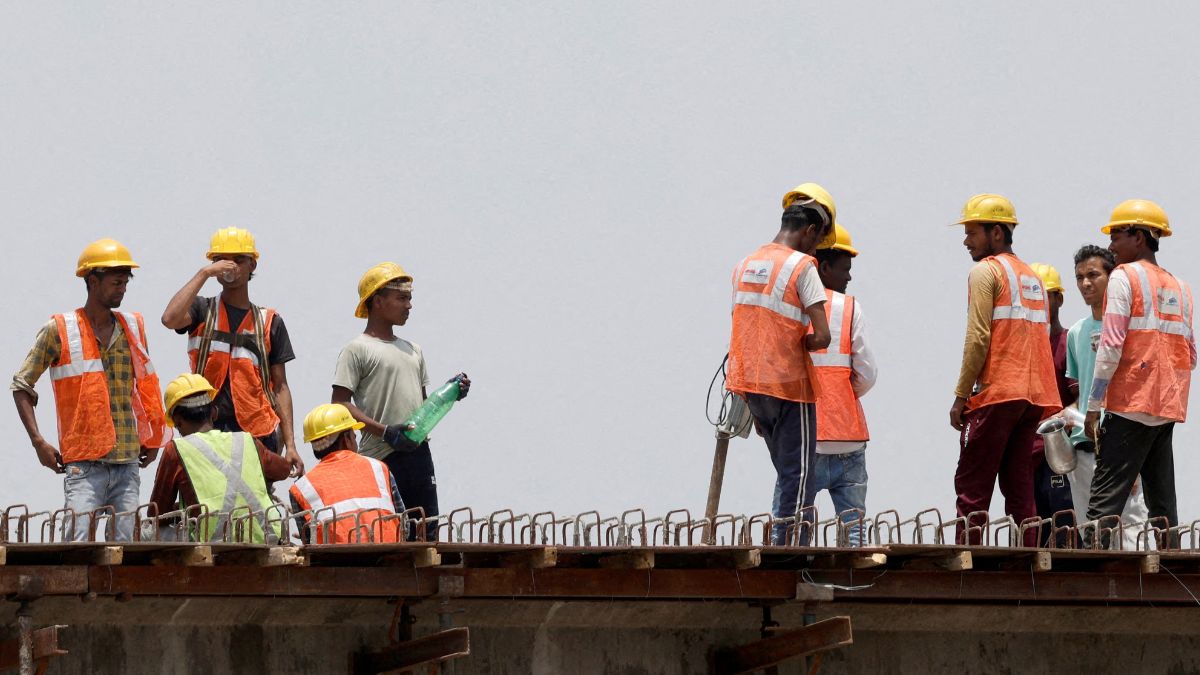
Background
On June 2024, a division bench comprising Chief Justice T.S. Sivagnanam and Justice Hiranmay Bhattacharyya ordered the Centre to release MGNREGA payments that had been stalled for over three years in West Bengal. The dues, as per the Centre’s submission in Parliament (February 2024), amount to ₹2,763 crore—making Bengal the state with the highest pending wage liability.
Issue at Hand
The Centre argued that funds were withheld due to “grave irregularities,” such as misuse of job cards and misappropriation of wages. The High Court acknowledged the need to curb leakage but held that genuine workers must not be denied their due wages because of administrative lapses or political differences.
Key Observations
-
Funds were suspended due to corruption, such as fake job cards and duplicate payments.
-
The Court emphasized that punishing all workers for the misconduct of a few violates the core intent of the scheme.
-
The order has revived concerns around Centre-State relations and accountability in welfare delivery.
Wider Implications
-
On Federalism: It underscores the growing tension between the Union and states over the administration of centrally funded schemes.
-
On Welfare Programs: It calls for a balance between plugging corruption and ensuring uninterrupted support to beneficiaries.
-
On Governance: The ruling encourages swift action against irregularities but not at the cost of genuine entitlements.
5 Key Takeaways
-
The Court directed the resumption of MGNREGA wage payments in West Bengal after a 3-year halt.
-
Pending dues amount to ₹2,763 crore—the highest among all Indian states.
-
Centre cited misuse and corruption in job card data to justify the fund freeze.
-
The judgment warns against penalizing the poor for bureaucratic inefficiencies.
-
A more transparent system for grievance redressal and audits is essential to balance welfare and accountability.
Challenges and the Way Forward
Challenges:
-
Persistent leakages due to fake job cards and ghost workers.
-
Political mistrust between state and central governments.
-
Poor grievance redressal mechanisms and delayed audits.
Way Forward:
-
Create an independent ombudsman for MGNREGA at the state level.
-
Ensure real-time transparency via digital attendance and GPS-based monitoring.
-
Release provisional payments to genuine job card holders even during investigations.
-
Strengthen administrative capacity without undermining constitutional rights to work.
Q&A Section
1. What was the Calcutta High Court’s ruling about?
The Court ordered the Centre to resume MGNREGA wage payments in West Bengal, citing that genuine workers should not suffer due to administrative or political issues.
2. Why were the payments withheld by the Centre?
The Centre alleged widespread irregularities such as fake job cards, ghost beneficiaries, and misuse of funds.
3. How much money is pending for wage payments in West Bengal?
As of February 2024, the pending dues amounted to ₹2,763 crore, the highest in the country.
4. Does the ruling address the issue of corruption?
Yes, while the ruling acknowledges misuse, it emphasizes that stopping all payments is not the solution and calls for targeted action.
5. What measures can ensure cleaner implementation of MGNREGA?
Biometric verification, digital attendance, regular social audits, and strict penalties for officials involved in corruption can help ensure the scheme’s integrity.
Conclusion
The Calcutta High Court’s ruling serves as a reminder that welfare policies must balance accountability with compassion. Instead of punishing all for the faults of a few, institutional reforms must empower the beneficiaries and reinforce trust in India’s social safety nets.

