
Fake Embassy Racket in Ghaziabad, A National Embarrassment
Why in News
A man named Harsh Vardhan Jain has been arrested in Ghaziabad, near Delhi, for allegedly running a fake embassy and posing as an ambassador. The bizarre case, involving forged diplomatic credentials, doctored photos, and promises of overseas jobs, has sparked national outrage and raised serious questions about oversight and enforcement. 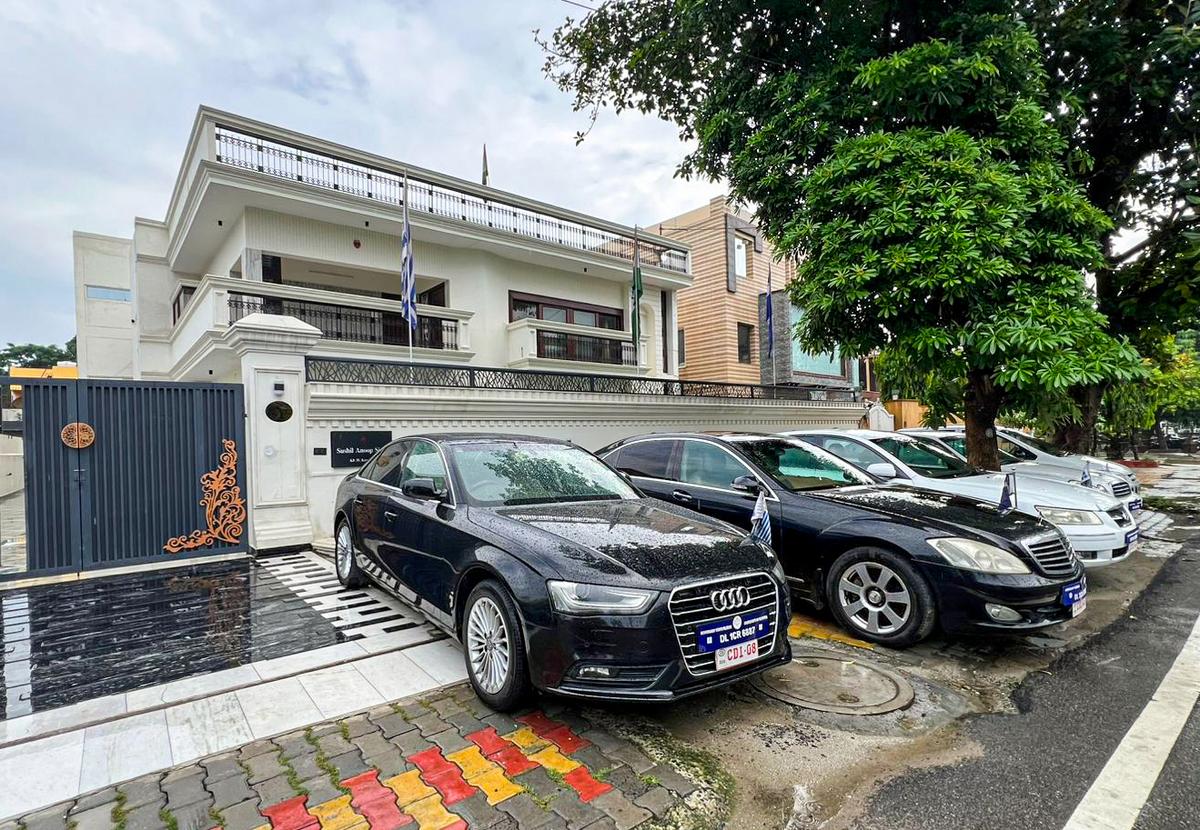
Introduction
In what can only be described as a shocking example of administrative oversight and unchecked fraud, a fake embassy has been operating for nearly eight years in Ghaziabad. Harsh Vardhan Jain, the accused, posed as an ambassador for fabricated entities like ‘Saborga’ and ‘West Arctic’, running an elaborate job scam while projecting a legitimate diplomatic image. He allegedly duped people with promises of foreign employment, manipulated high-profile events, and even flaunted photos with world leaders — complete with counterfeit seals and bogus documents.
The incident is not just embarrassing; it is a wake-up call for government agencies. It exposes a gaping hole in monitoring and verification processes related to foreign diplomacy and security.
Key Issues and Background
-
Fake Diplomatic Setup: Jain operated what appeared to be a fully functioning embassy — equipped with diplomatic plates, rooms adorned with international flags, and elaborate décor mimicking official consulates.
-
Doctored Legitimacy: Photographs of Jain with world leaders, backed by forged seals and documents, were used to convince victims of his diplomatic status.
-
Job Scam and Money Laundering: Jain promised foreign jobs in obscure territories, extracting large sums from desperate job seekers. Authorities have also accused him of involvement in hawala (illegal money laundering) activities.
-
Unbelievable Duration: The racket remained undetected for nearly eight years, raising serious concerns about regulatory failures and systemic negligence.
Specific Impacts or Effects
-
Erosion of Public Trust: Such scams severely undermine public confidence in government vetting mechanisms and law enforcement vigilance.
-
Vulnerability of Job Seekers: Aspirants seeking foreign employment fall easy prey to well-disguised fraudsters in the absence of verified employment channels.
-
Diplomatic Embarrassment: The misuse of international diplomatic symbolism (flags, seals, setups) has the potential to damage India’s global reputation.
-
Unmonitored Government Interfaces: The case revealed how someone could exploit government-linked events and appear as a legitimate VIP, showcasing a broader rot in bureaucratic procedures.
Challenges and the Way Forward
Challenges:
-
Lack of real-time verification of diplomatic identities.
-
Poorly monitored public-private partnerships in hosting events involving dignitaries.
-
Inadequate training and coordination among local law enforcement, intelligence, and external affairs departments.
Recommendations:
-
Introduce centralised verification portals accessible to the public for confirming diplomatic credentials.
-
Strengthen event clearance protocols to prevent fraudulent individuals from participating in government-linked gatherings.
-
Launch an awareness campaign against fake job and embassy scams.
-
Regular audits and compliance checks for organisations claiming foreign affiliations or credentials.
Conclusion
The Ghaziabad fake embassy case is not just an isolated scam — it is a mirror reflecting the vulnerabilities of our governance systems. It illustrates how, despite technological advances and national security apparatus, imposters can thrive when oversight is weak. India’s vision of a developed, secure nation must begin with accountability, transparency, and zero tolerance toward fraud. This incident should lead to urgent reforms in how diplomatic activity is monitored and verified.
5 Key Questions & Answers
-
Who was arrested in the Ghaziabad fake embassy case?
Harsh Vardhan Jain was arrested for running a fake embassy and posing as a foreign ambassador. -
What were the fraudulent elements involved?
Forged diplomatic plates, doctored photographs with world leaders, counterfeit seals, and false promises of overseas jobs. -
For how long did the fake setup operate?
Jain’s operation continued for nearly eight years before being discovered. -
What other charges is Jain facing?
He is also accused of hawala activities (money laundering) and running a job scam. -
What does this reveal about India’s administrative systems?
It highlights major gaps in monitoring, verifying credentials, and preventing impersonation in sensitive diplomatic and government-related fields.

