
Mitochondrial Donation, A Revolution in Genetics and Humanity
Introduction: A Turning Point in Medical Science
In a groundbreaking moment for medicine and humanity, the confirmation of healthy births through mitochondrial donation has redefined the boundaries of genetic science. For the first time, a technique has allowed children to be born free from hereditary mitochondrial diseases—offering not just a cure, but freedom from a devastating genetic fate. Mitochondrial disorders often rob infants of energy, function, and sometimes life itself. The ability to bypass this genetic inheritance through advanced scientific methods marks a profound milestone in reproductive technology, ethics, and hope. 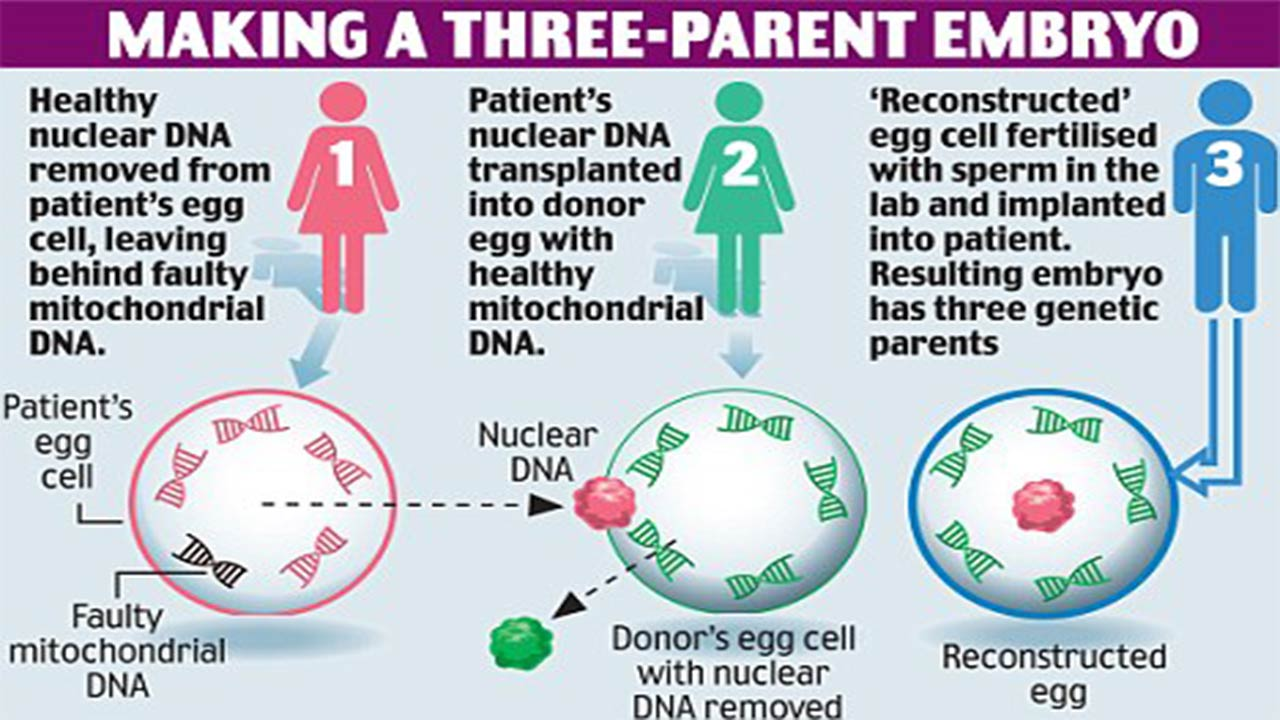
Mitochondrial donation isn’t merely a medical advancement—it is a biological choreography that restores dignity and possibility to families who have long been shadowed by the fear of genetic diseases. This article delves deeply into the science, the implications, the ethical considerations, and the global significance of this remarkable development in genetics.
What Is Mitochondrial Donation?
Mitochondria are often referred to as the powerhouses of cells, responsible for producing energy. When mitochondria are defective, they can lead to debilitating disorders that affect muscles, organs, and even cause premature death. These are inherited maternally through the mother’s egg.
Mitochondrial donation is a revolutionary procedure that combines the nuclear DNA from two parents with the healthy mitochondria from a third donor woman. The resulting child is still genetically their parents’ offspring but carries about 0.1% of DNA from the donor. This sliver of DNA, though small, is crucial—it ensures the baby’s cells function correctly, allowing them to grow, breathe, and thrive.
It’s an elegant and deeply impactful solution—sidelining defective mitochondria without altering core genetic identity. It’s not about “creating” children differently; it’s about giving them a chance at life without pain or dysfunction.
Scientific Breakthrough with Ethical Depth
This technique, first piloted with strict regulatory approval in countries like the UK, has now shown practical results—babies have been born healthy, meeting all developmental milestones, and giving families a renewed future. Parents who once faced heartbreaking genetic prospects now celebrate their infants’ lives—unshackled from inherited mitochondrial conditions.
What makes this advancement even more compelling is its ethical development process. Unlike some rushed genetic interventions, this one passed through rigorous legal clearances, public debates, and cautious medical rollout. Such a responsible framework is vital, particularly as genetic technologies rapidly evolve.
The focus of mitochondrial donation remains deeply human—it is not about modifying intelligence or appearance but about protecting life itself. It is a line between therapeutic correction and enhancement—and one which, if respected, could define the responsible future of biotechnology.
Implications: A Shift in Human Inheritance
This development represents a shift in the very foundation of human reproduction and inheritance. For the first time, genetic alterations—though therapeutic and microscopic—will be passed on to future generations. That prospect stirs debate.
Critics warn that such interventions may pave the way to “designer babies”, where enhancement overshadows survival. But mitochondrial donation clearly resides on the other side of this ethical spectrum—it’s a life-preserving mechanism, not a vanity-based augmentation.
The children born from this method are not outliers—they are beacons of possibility, symbols of a future where suffering from inherited disease is no longer a certainty.
Global Ethical Model for Emerging Technologies
What elevates mitochondrial donation beyond its scientific success is the process that led to it. From inception to implementation, it exemplified:
-
Consensus over compulsion
-
Medical transparency
-
Ethical foresight
-
Public discourse
This model is now being hailed globally as a template for emerging biomedical innovations, especially those with heritable consequences. The lessons here are crucial—science can no longer operate in silos. In areas where it outpaces ethics, a balance must be forged.
For example, technologies like CRISPR, gene editing, and cloning carry immense promise, but also peril. By showing that it is possible to achieve genetic breakthroughs without abandoning ethical restraint, mitochondrial donation sets a powerful precedent.
Not a Cure, But a Prevention
It’s important to clarify that mitochondrial donation does not cure mitochondrial diseases in those already affected. It is a preventive measure, a pre-emptive strike against transmission to future generations.
Those living with these disorders still need continued support, advanced care, and targeted research. But for future families, the burden may be lifted. They now have the choice to bear healthy children without passing on the fatal mutations that once defined their lineage.
Hope, Caution, and a New Dawn
The advent of this technology doesn’t signal the end of genetic disease, but it illuminates a path forward. It suggests that we are nearing an era where inherited suffering is optional—not inevitable.
This success story is not merely one of scientific capability—it is about restoring agency to families, returning hope to parents, and affirming the dignity of life. It reminds us that the purpose of science is not just to understand life but to protect and preserve it.
This moment is to be celebrated—not as a disruption of nature, but as an evolution of humanity’s enduring effort to thrive despite its biological flaws.
Q&A: Understanding Mitochondrial Donation and Its Significance
1. What is mitochondrial donation and how does it work?
Mitochondrial donation is a technique that prevents the transmission of hereditary mitochondrial diseases from mother to child. It involves combining the nuclear DNA from two biological parents with healthy mitochondria from a third donor. Although the child inherits a tiny portion (0.1%) of DNA from the donor, they are genetically the offspring of their parents and are free of mitochondrial disorders.
2. Why is this considered such a significant breakthrough?
This innovation eliminates a class of incurable diseases, restoring not only physical health but emotional and psychological hope to affected families. For the first time, it allows families with mitochondrial disorders to have healthy biological children. It’s also the first case of a genetic modification being passed to future generations, marking a new chapter in reproductive medicine.
3. Are there ethical concerns about this procedure?
Yes, ethical debates have surrounded mitochondrial donation. Some fear it opens doors to genetic enhancements or “designer babies.” However, strong regulatory oversight, public engagement, and cautious implementation have ensured that the process remains focused on therapeutic, not cosmetic or enhancement-driven goals. It has become a model of ethical biotechnology.
4. Does this procedure cure mitochondrial disease?
No. It does not cure those already suffering from the condition. Rather, it prevents the disease from being passed on to the next generation. Individuals currently living with mitochondrial disorders still require comprehensive medical support and research investment.
5. What does this mean for the future of genetic science?
This development shows that gene-based therapy and modification can be achieved responsibly, with scientific integrity and ethical accountability. It sets a precedent for future interventions, such as gene editing or disease elimination, to be pursued with caution, transparency, and public trust.
Conclusion: A Legacy of Health and Humanity
In a world where biotechnology is rapidly advancing, mitochondrial donation represents a lighthouse in murky ethical waters. It has provided a lifeline to families, a lesson to scientists, and a standard for societies. By merging biological ingenuity with ethical wisdom, this innovation not only reimagines genetics but also reaffirms humanity’s commitment to care, dignity, and survival.
As we look to the future, we must remain vigilant. The challenge is not whether science can create life free from disease, but whether we can ensure such power is used wisely, equitably, and compassionately. The success of mitochondrial donation reminds us that when science and ethics walk together, we don’t just change DNA—we change destiny.

