
Courts to Shed Delays, Reduce Vacations and Embrace Reform
Why in News?
The Central Government’s recent initiative to reduce litigation—particularly by addressing the high volume of government-related cases in courts and cutting down on judicial delays—is being welcomed as a much-needed step toward legal reform and efficiency.
Introduction
The Indian judicial system has long struggled under the weight of massive case backlogs and systemic inefficiencies. A staggering 70% of all pending court cases in India involve the Government—either at the Centre or in the States—as a party. These figures underline a critical issue: the state, in its various forms, has become one of the biggest litigants in the country, contributing immensely to the clogging of the judicial pipeline.
In light of this, the Centre has recently taken steps to address the crisis by initiating a campaign aimed at reducing litigation. This includes attempts to expedite the hearing of cases, reduce adjournments, and critically assess the practice of long judicial vacations. Legal experts and commentators have welcomed this step as a “first move” toward wider judicial reforms that are much overdue.
Key Issues Highlighted
-
Government as the Major Litigant
Over 70% of court cases involve government departments or public entities. Whether it’s tax disputes, service-related matters, or bureaucratic red tape, these cases often drag on for years and contribute heavily to the existing backlog. The courts must spend time and resources on even minor cases where the government is a party, slowing down the system. -
Adjournments: The Bane of Justice
Adjournments have emerged as one of the primary causes of delay in India’s judicial system. Advocates often use them as tactics to either buy time or slow down the proceedings. A common scenario involves either the leading lawyer being unavailable or the opposing side seeking more time for unclear reasons. These repeated requests can derail the progress of even the most straightforward cases.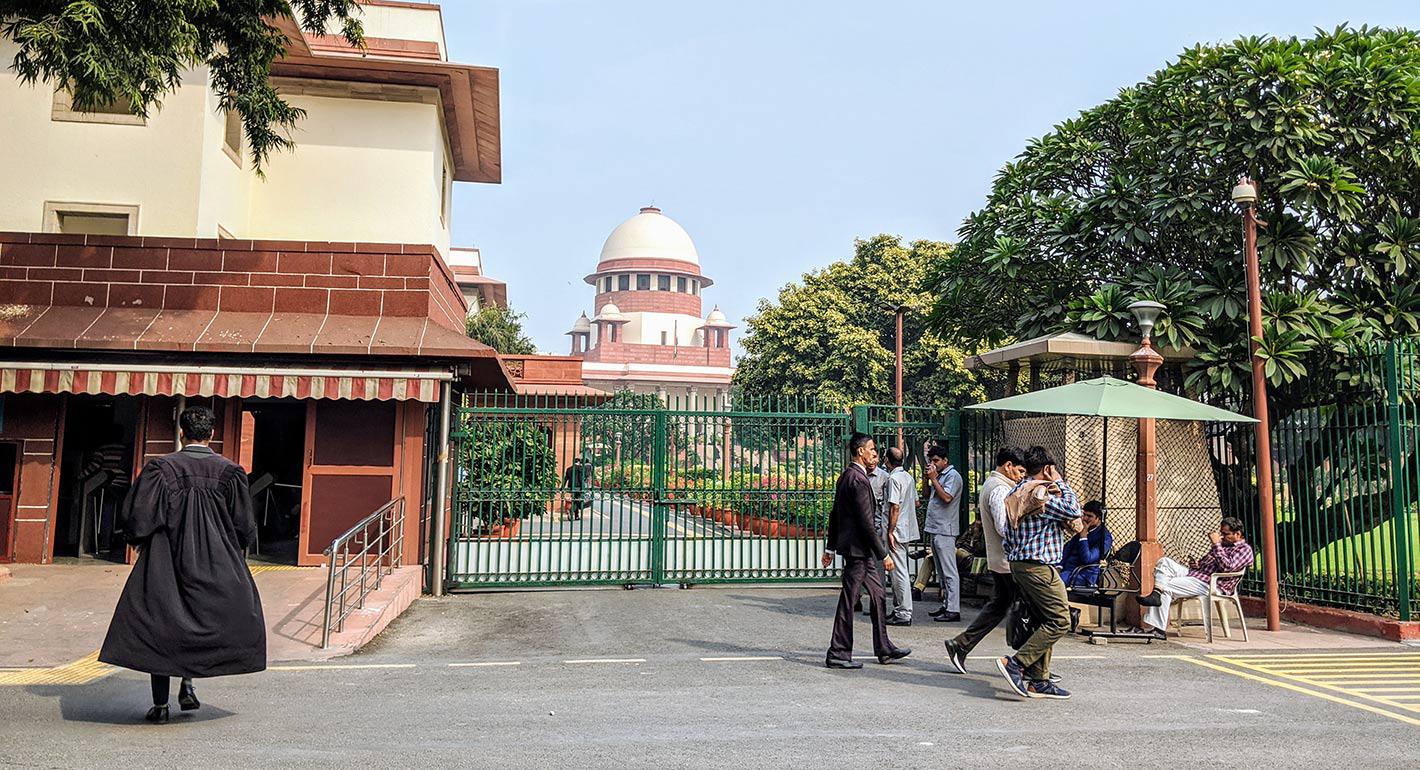
-
Judicial Time Misused
The article argues that valuable judicial time is often wasted on cases that don’t merit such attention or repetition. For example, multiple appeals or the re-arguing of already decided matters consumes time that could be better spent on fresh and urgent cases. The judiciary is urged to ensure that one clear hearing is adequate and that additional proceedings are only permitted under special circumstances. -
Working Hours and Vacations
Indian judges typically work from around 10:30 am to 4:30 pm, with an effective six-hour workday due to breaks. Add to this the long vacations—summer, winter, and Diwali breaks—and the net number of working days shrinks drastically. While some of these breaks are rooted in colonial-era traditions (such as in hill stations like Simla or Darjeeling), they are now being questioned in the context of modern judicial needs. -
Technology and Modernization Gap
In today’s digital age, where even minor paperwork can be replaced by a click, the Indian judicial system still functions in a slow, paper-heavy, and tradition-bound manner. This makes the process not just cumbersome but also alienates the common man. Reforms are needed to integrate technology, shorten case durations, and ensure public faith in legal remedies.
Five Key Observations
-
Reducing Government Litigation is Critical
If the government can minimize its presence in litigation—especially in petty matters—it will significantly reduce the burden on courts. Alternative Dispute Resolution (ADR) mechanisms and intra-department grievance redressal can help. -
Adjournments Should Be the Exception, Not the Rule
Delaying tactics should be viewed critically. The Supreme Court has repeatedly emphasized the need for time-bound trials. Implementing stricter rules around adjournments can bring efficiency to the courtroom. -
Judges’ Working Hours Need Re-examination
While the work of judges is undeniably stressful and demanding, there’s a need to reassess the balance between efficiency and comfort. Six-hour working days and extended vacations are not aligned with the urgency the system demands. -
Appeal Culture Adds Layers of Delay
Often, matters are dragged through multiple levels of appeals, with each layer bringing in fresh delays. The solution could be to allow one comprehensive and clear hearing with limited scope for appeal unless exceptional grounds are present. -
Technology is the Missing Link
Indian courts need to fully adopt digitization. From online filings and virtual hearings to e-records and automated scheduling, technology can be a game-changer in clearing the backlog.
Challenges and the Way Forward
Challenges:
-
Resistance to Change
The Indian judicial system is steeped in convention. Judges, lawyers, and even court staff may resist structural and procedural changes out of comfort, habit, or fear of unfamiliar systems. -
Limited Judicial Appointments
Despite the rising case load, the number of judges remains low. India has one of the lowest judges-to-population ratios in the world, making timely justice nearly impossible without increasing appointments. -
Lack of Infrastructure
Many courts, especially in rural areas, lack basic infrastructure, let alone technological capabilities. Reforms without parallel investment in facilities will only have limited success. -
Training and Mindset Shift
Adopting reforms will also require comprehensive training programs for judges, lawyers, and administrative staff. A shift in mindset—away from procedural delays and toward quick resolution—is vital. -
Long Vacations Embedded in Judicial Culture
While vacations were originally introduced for climate-related reasons in British-era hill stations, they continue today even when such conditions no longer apply. Reforming the vacation structure will require overcoming both tradition and resistance from within the judiciary.
Way Forward:
-
Expand the Use of Fast-Track and Evening Courts
To improve efficiency, the establishment of fast-track courts and evening courts could help handle smaller or less complicated matters quickly. -
Empower Lower Courts
Strengthening the decision-making authority of lower courts can help resolve issues at the grassroots level, avoiding unnecessary appeals to higher courts. -
Institutionalize ADR Mechanisms
Encourage use of mediation, conciliation, and arbitration for cases that do not need court intervention. This can take a significant load off judges. -
Use AI and Case Management Software
Artificial Intelligence can be used for case tracking, scheduling, and even identifying patterns in adjournments or delays. Smart case management tools will ensure efficient hearings. -
Judicial Performance Audits
Establish benchmarks and periodic audits to assess how many cases a judge disposes of, the average duration of hearings, and patterns of adjournments.
Conclusion
The Centre’s recent step to address delays in the judiciary and reduce the massive volume of government-involved litigation is just the beginning of what needs to be a comprehensive reform movement. India’s legal system is in urgent need of modernization, not just in technology and infrastructure, but in mindset and working culture.
Judges must be given both the tools and the accountability mechanisms to handle cases efficiently. Lawyers must be encouraged to uphold the spirit of justice rather than delay it through procedural tricks. And most importantly, the government must realize that it can no longer afford to be the biggest contributor to legal congestion.
Justice delayed is justice denied—not just for the parties involved, but for the very credibility of the judicial system.
Q&A Section
Q1. Why is the Central Government’s recent reform effort important?
It is important because over 70% of all pending court cases involve government entities. Reducing such litigation will significantly ease the burden on the judiciary and improve the speed of justice delivery.
Q2. What role do adjournments play in judicial delays?
Adjournments are a major cause of delay as they are often used tactically by lawyers to slow proceedings or manipulate outcomes. This stalls the judicial process and adds to case backlogs.
Q3. Why is the judiciary’s working schedule being criticized?
The judiciary’s effective working hours—only around six per day with frequent long vacations—are seen as insufficient to handle the caseload. This has raised calls for reevaluation of working time and holiday structures.
Q4. How can technology help in judicial reform?
Technology can enable faster case management, online filing, digital records, and even AI-powered scheduling. This can drastically cut down delays and enhance transparency.
Q5. What are the biggest challenges to implementing these reforms?
Resistance from within the judiciary, lack of infrastructure, insufficient judicial appointments, and cultural dependence on outdated systems like long vacations all pose significant challenges.

