
India did well in climbing SDG rankings but falls short in governance
Why in News?
India has been ranked among the top 100 countries in the Sustainable Development Report (SDR) for the first time since it began publication by the Sustainable Development Solutions Network (SDSN) in 2016. While this is a notable achievement, it also highlights persistent issues in governance and service delivery, especially in rural and underdeveloped areas. 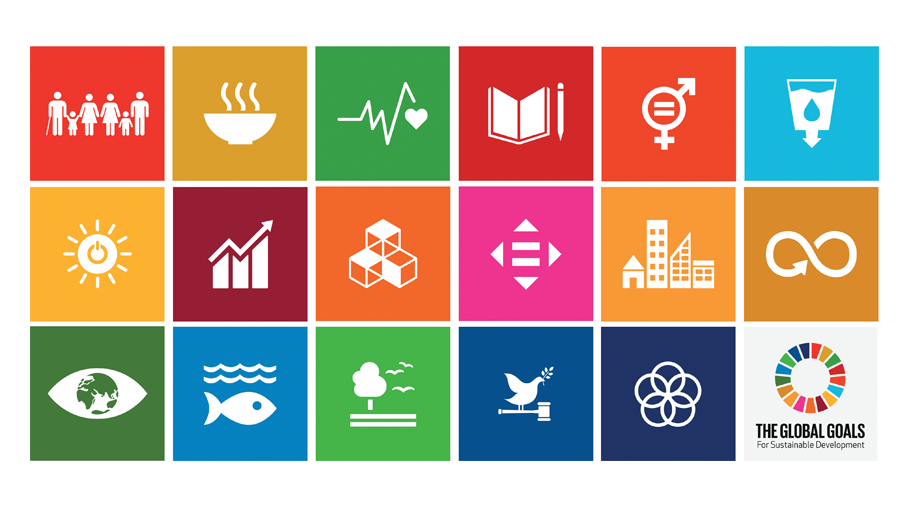
Introduction
The SDSN, a UN-backed body, assesses global progress on Sustainable Development Goals (SDGs). In 2016, India ranked 116 out of 157 countries. In 2024, it climbed to the 100th position among 167 countries, marking progress. However, India’s journey is far from complete, as deeper analysis of certain key SDGs—especially SDG 1 (poverty) and SDG 7 (energy)—reveals gaps in governance, data availability, and inclusivity.
Key Issues and Institutional Concerns
1. Data Gaps and Governance Deficit
SDG 1, focused on poverty eradication, remains under-reported due to lack of reliable and granular household-level data. This hampers the ability to target and measure poverty accurately. For instance, Rangarajan Line data estimates urban poverty at 32% and rural at 39%, but post-2012 household consumption data remains unpublished.
2. Rural-Urban Disparity
There is a notable imbalance in access to services between rural and urban India. The NFHS-5 survey (2019–21) reports that 33% of rural Indians (35.9 crore people) still live in poverty. Only 38.4% of working-age rural women are employed, compared to urban counterparts, reflecting gendered economic inequality.
3. Energy Access and Infrastructure Inequality
Access to energy (SDG 7) is another weak point. While 97% of households claim electrification, many rural areas still face poor quality or no electricity. Between 2000 and 2020, energy access in India increased but remains patchy in hilly or tribal regions. The energy mix is also limited, heavily reliant on fossil fuels, despite progress in solar and wind.
4. Multi-dimensional Poverty Still High
Indicators from NFHS and other sources show that India’s multi-dimensional poverty rate, which considers health, education, and standard of living, remains concerning in rural belts.
5. SDG Performance and Ranking Misinterpretation
While India’s improvement in rank to 100 is welcome, this could mask gaps in disaggregated progress. Urban-rural divides, women’s empowerment, and access to digital services continue to need targeted action.
Challenges and the Way Forward
-
Publishing consumption data is essential to measure actual poverty rates and improve SDG 1 outcomes.
-
Ensure last-mile service delivery in energy access and social services in remote and tribal belts.
-
Improve data systems, especially in health, education, and nutrition, to guide evidence-based policy.
-
Boost infrastructure spending with a focus on gender and digital inclusion, and resilience to climate shocks.
-
Governance reforms must bridge the delivery gap between intention and impact, particularly in deprived regions.
Conclusion
India’s rise in SDG rankings is an encouraging sign of macro-level commitment to sustainable development. However, real progress must come from tackling the underlying gaps in governance, rural development, and service quality. Without this, SDG targets will remain numerically close but socially distant.
Q&A Section
1. What is SDSN and how is it related to SDGs?
The Sustainable Development Solutions Network (SDSN) is a UN-backed body that tracks global progress on SDGs, including poverty, education, health, and energy.
2. Why is India’s 100th rank in 2024 considered a milestone?
This is the first time India entered the top 100 since the SDG index began in 2016, showing visible progress across many indicators.
3. What are the main concerns despite the improved ranking?
Key issues include lack of poverty data, rural-urban disparities, low energy quality in rural areas, and gender inequality in employment.
4. What is SDG 7 and why is it important for India?
SDG 7 relates to affordable and clean energy. While access has improved, actual service delivery and energy diversity remain limited, especially in rural areas.
5. What must India do to improve future SDG outcomes?
India must focus on better data, targeted service delivery, gender equality, and inclusive governance to sustain and accelerate SDG progress.

